
 Water damage drying
 Fire & smoke cleanup
 Mold remediation
 Storm response
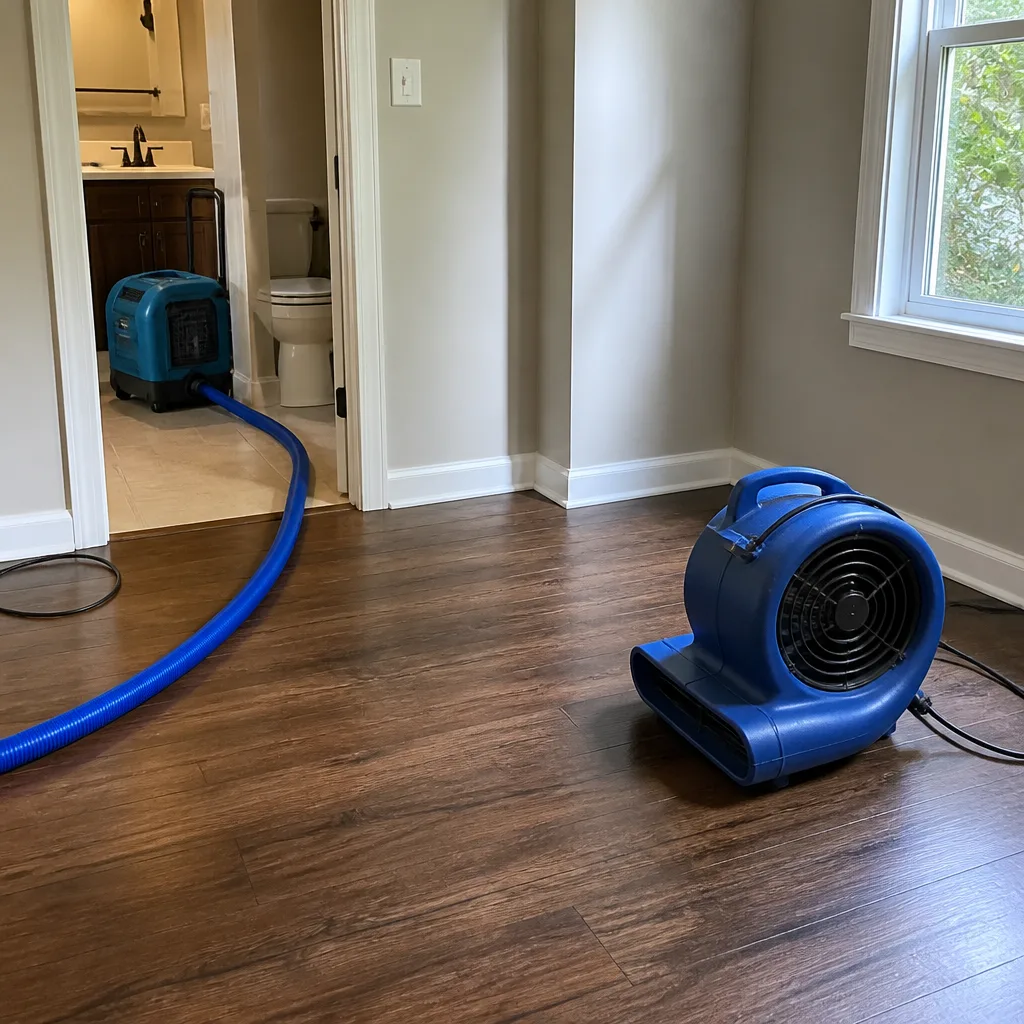 Sewage cleanup
 Reconstruction
Free visual inspection and a written scope of work before any mitigation begins - photos, moisture readings, and drying logs go in your claim file
The scope we write is the scope we bill. Anything new gets shown to you, in writing, before we touch it.
Get your free estimateFast, Reliable Water Damage Restoration Across Crown Heights
Water damage in Crown Heights moves fast – through brownstone party walls, under garden-level floors, and across co-op property lines. Most Crown Heights water damage restoration jobs need extraction started within hours, not days, because original wood joists and lime-based plaster absorb water like a sponge. Our crews reach Crown Heights neighborhoods including Crown Heights North, Weeksville, and the eastern blocks near Brower Park, typically within 60 to 90 minutes of your call. We answer live, 24 hours a day. Call (607) 399-3439 and you’ll speak to a person who can dispatch a crew to your block, not a call center.
Why Dryden Restoration Brooklyn Is Crown Heights’s Preferred Water Damage Restoration Company
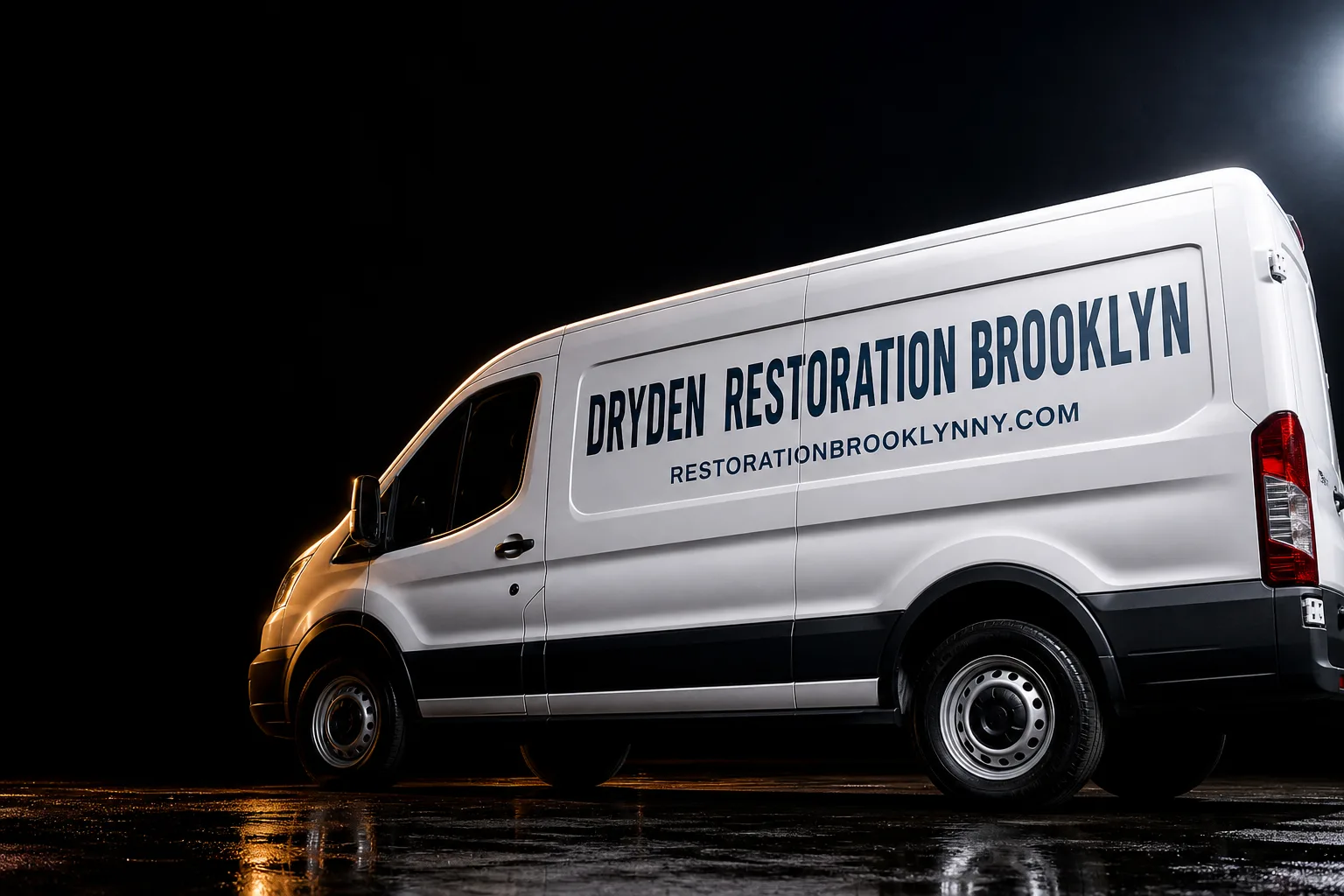
Crown Heights homeowners call us because we show up when we say we will, with background-checked technicians in uniform, and we put every price in writing before a single tool comes off the truck. That’s been the standard since Carl Brandt founded Dryden Water Damage Restoration in 2005 as part of the Kingswell family of independently owned restoration businesses. Our work in Crown Heights follows IICRC, RIA, and IFA standards, and our drying fleet includes Dri-Eaz, Phoenix, XPOWER, B-Air, and Injectidry systems – the same professional-grade equipment commercial crews use on large losses.
We work inside 1890s brownstones, 1920s limestone row houses, and mid-rise brick co-ops every week. That means we already know the building types, the typical plumbing layouts, and the insurance paperwork co-op boards in Crown Heights require. A quick note: dispatch and scheduling for our Crown Heights crews is coordinated from our New York City office, so you get a named arrival window and a technician who knows this neighborhood, not a subcontractor guessing from another borough.
Restoration work we handle
Water Mitigation in Crown Heights
Water mitigation in Crown Heights means stopping the active spread of water through original wood framing, plaster walls, and shared masonry before it becomes a structural problem or a mold colony. In a brownstone, that work almost always involves thermal imaging on the party wall, because what looks like a contained flood in one unit is often migrating into the unit next door through century-old brick. Mitigation typically runs $2,800 to $6,500 for a garden-level or basement loss in Crown Heights, depending on square footage, the number of affected rooms, and whether plaster walls need Injectidry panel drying instead of standard air movement.
Moisture Mapping Before Anything Dries
We map moisture across floors, baseboards, and party walls before extraction begins, using thermal imaging and penetrating moisture meters. In Crown Heights brownstones, the place most crews miss is the common brick wall between units. We check it every time. If your neighbor’s garden-level flood seeped into your basement, our drying plan and insurance documentation has to reflect both units, not just the one where the water first appeared.
Plaster-Safe Structural Drying
Original lime-based plaster does not dry like drywall. Run standard air movers on it and the surface can crack, crumble, or pull away from the lath. For plaster walls in Crown Heights row houses, we use Injectidry panels that pull moisture out slowly and evenly, at a rate the plaster can handle. The goal is to get the wall dry without destroying a finish that has been there for over a century.
Flooded Basement in Crown Heights
A flooded basement in Crown Heights is rarely a simple pump-out. Garden-level and cellar units share foundations and drainage with the buildings on either side, and water doesn’t respect the property line. Cleanup here typically means extraction, antimicrobial treatment when stormwater has picked up pigeon droppings or asphalt grit, controlled demolition of soaked drywall or fiberboard, and structural drying of original joists. For a typical flooded basement in Crown Heights, expect $2,800 to $6,500 for full restoration, with the higher end applying when multiple rooms, plaster surfaces, or cross-boundary drying logs are involved.
Stormwater Classification Matters
Water that comes over a flat roof or through a rear bulkhead after a nor’easter is not clean. It picks up whatever is on the roof – pigeon droppings, asphalt grit, standing debris. That classifies it as Category 2 or Category 3, which means antimicrobial treatment is required before structural drying starts. Skipping that step is how a “clean” flood becomes a mold problem in the joists three weeks later.
Cross-Boundary Drying Logs
When a garden-level flood in one brownstone seeps through the party wall into the neighboring basement, both units need drying documentation. Our moisture readings, drying logs, and photo evidence are formatted for insurance adjusters and co-op boards, so the claim doesn’t stall while you wait for someone to prove the water came from next door. This is routine work for us in Crown Heights; for a general contractor, it’s usually an afterthought.
Trusted Brands We Service in Crown Heights
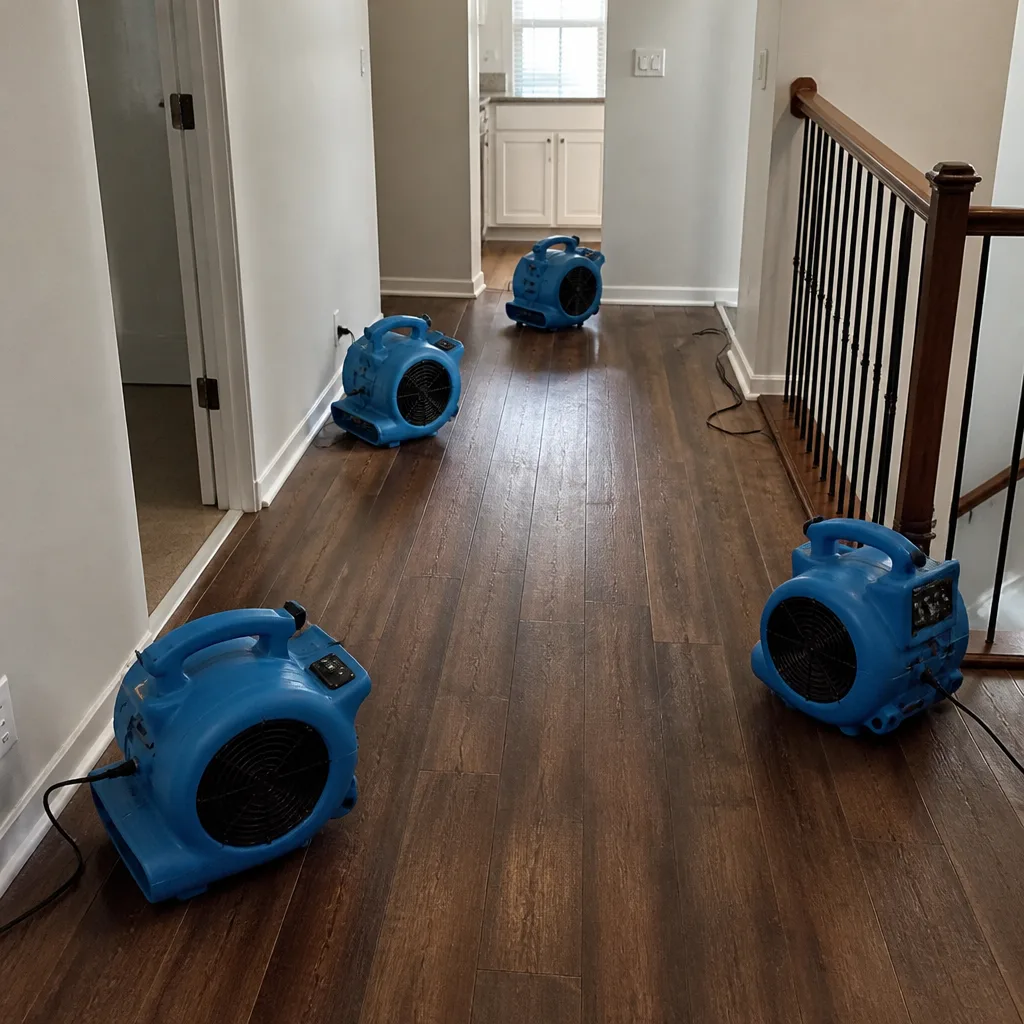
We run Dri-Eaz LGR dehumidifiers, Phoenix axial air movers, XPOWER extraction units, B-Air drying systems, and Injectidry panels for plaster and hardwood. These are the same brands restoration contractors use on large commercial losses, and we keep replacement parts and filters stocked specifically for Crown Heights job sites. That means if a dehumidifier fails at 2 a.m. in a basement off Franklin Avenue, we replace it the same night, not the next afternoon. You shouldn’t have to wonder whether the equipment in your home is up to the job; you should be able to see the brand name and know it is.
See the difference
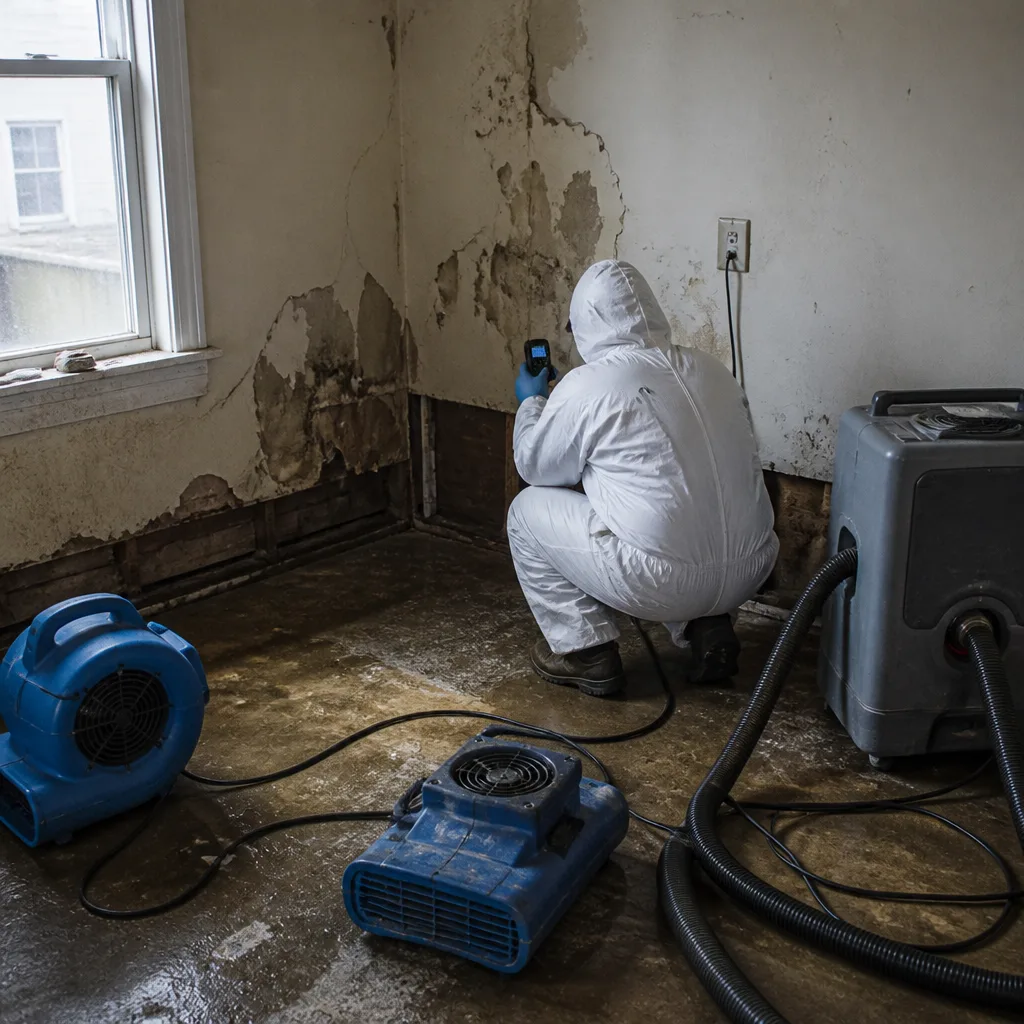 Before
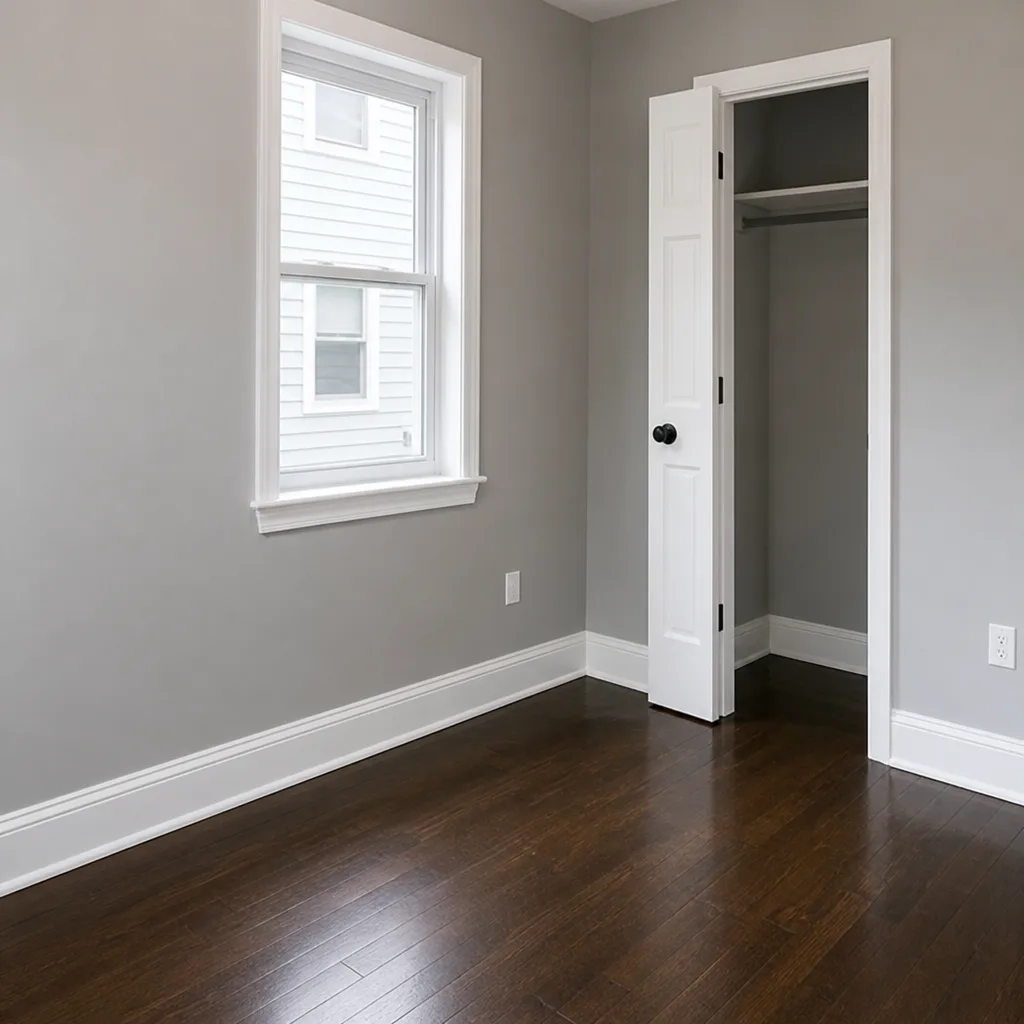 After
After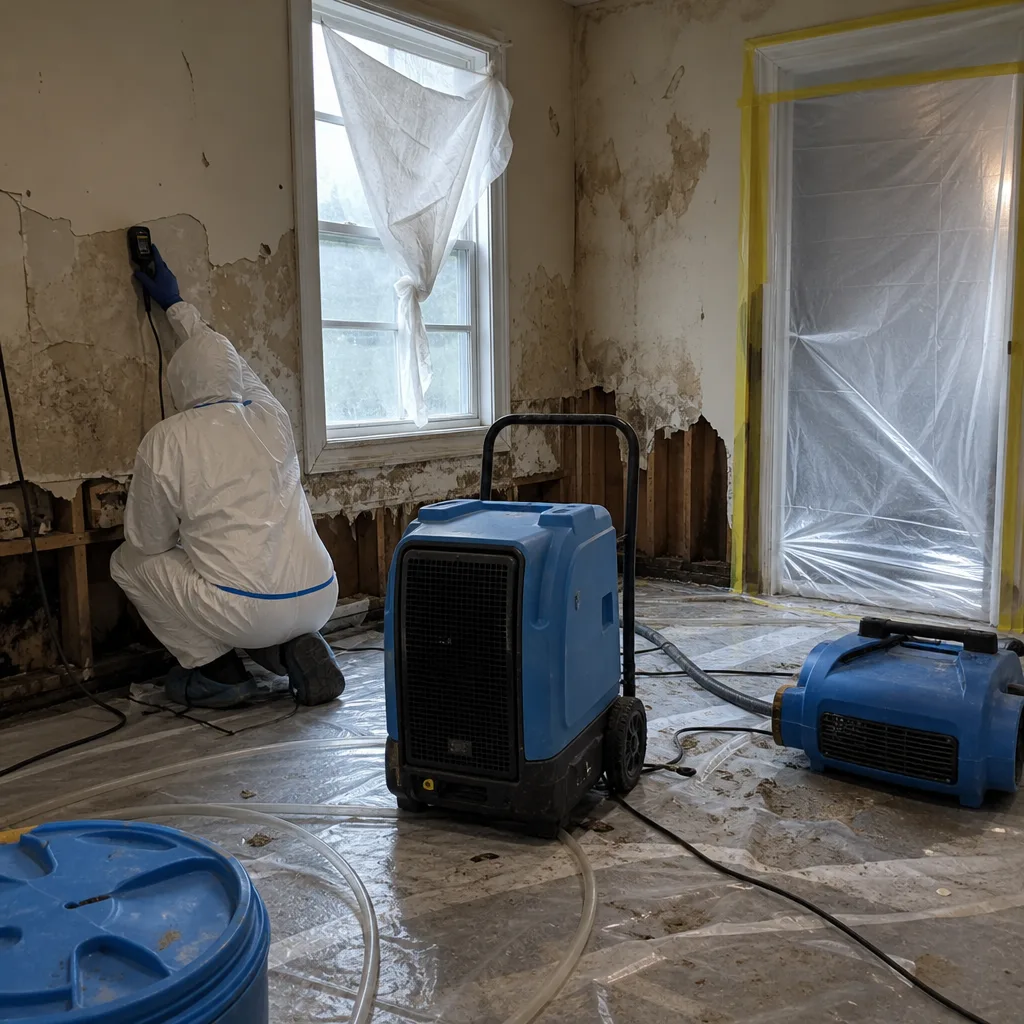 Before
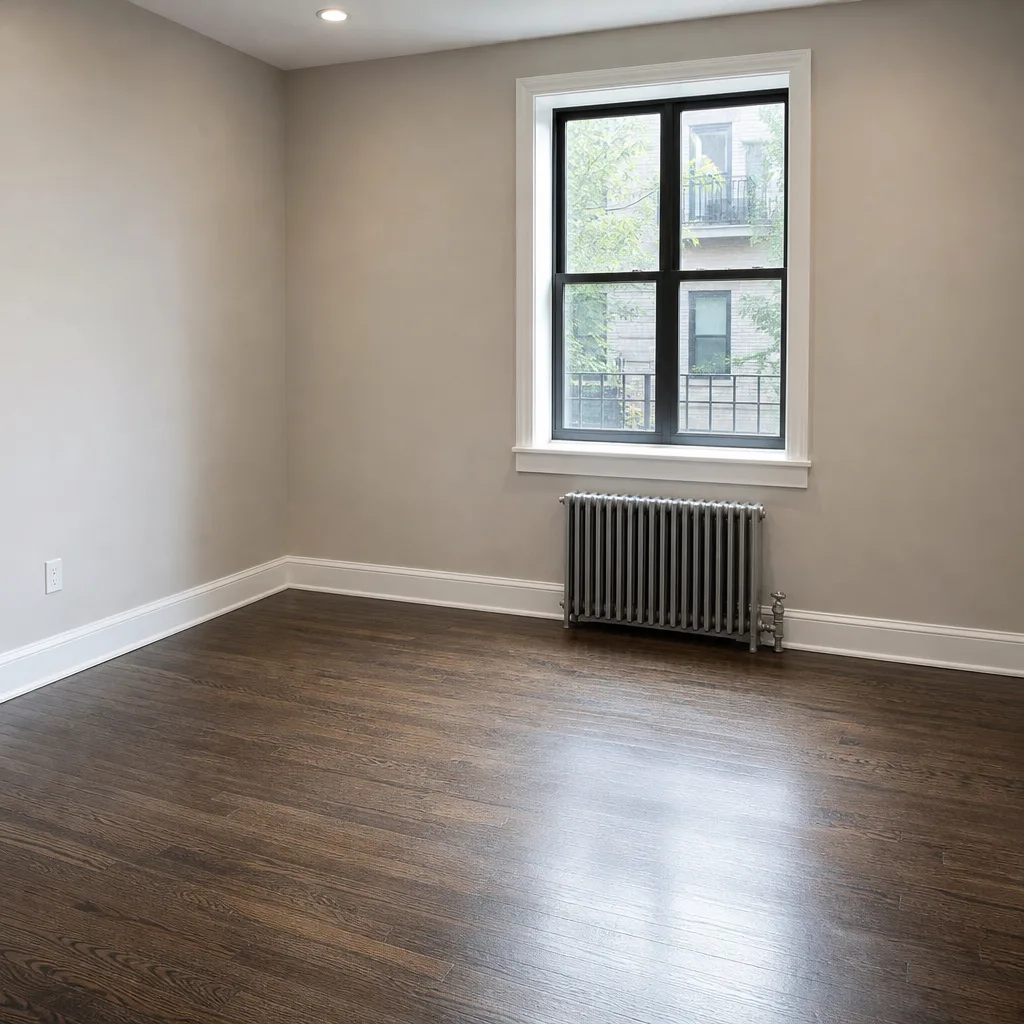 After
After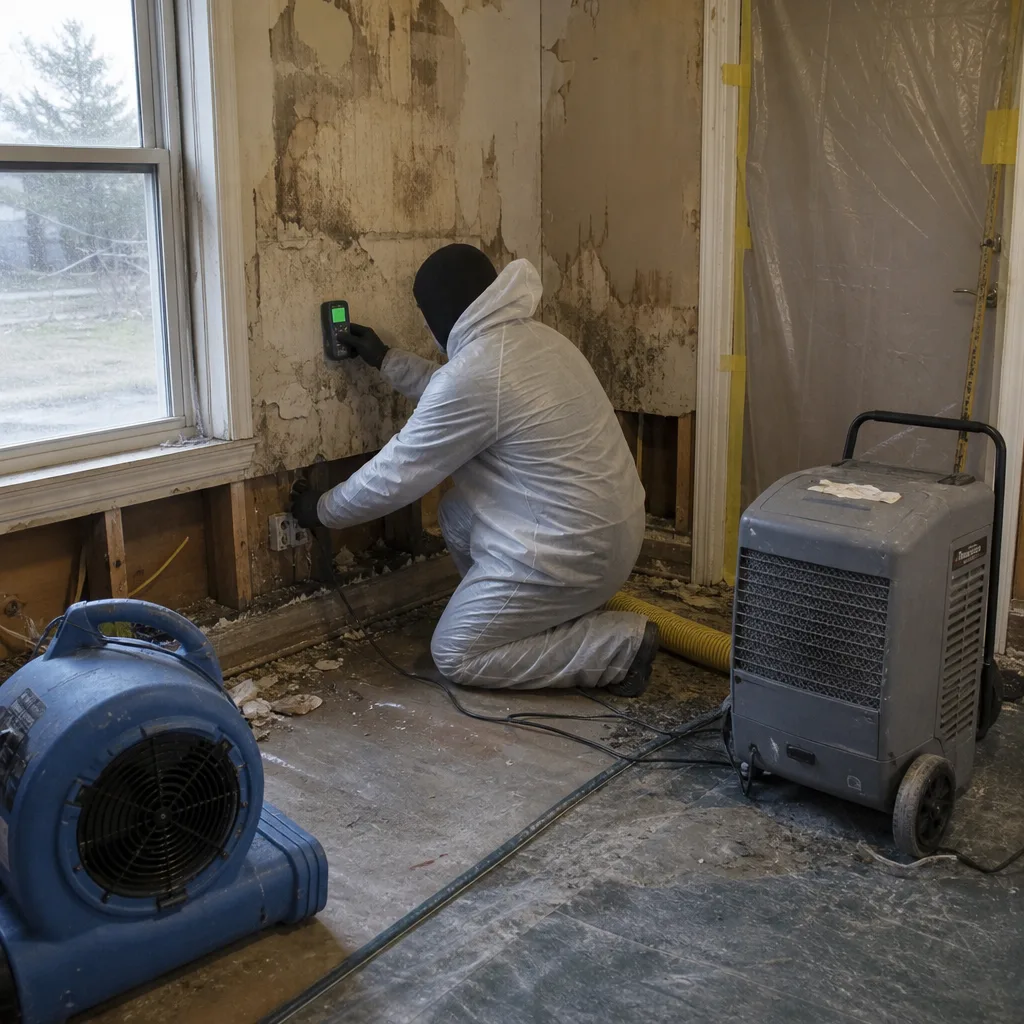 Before
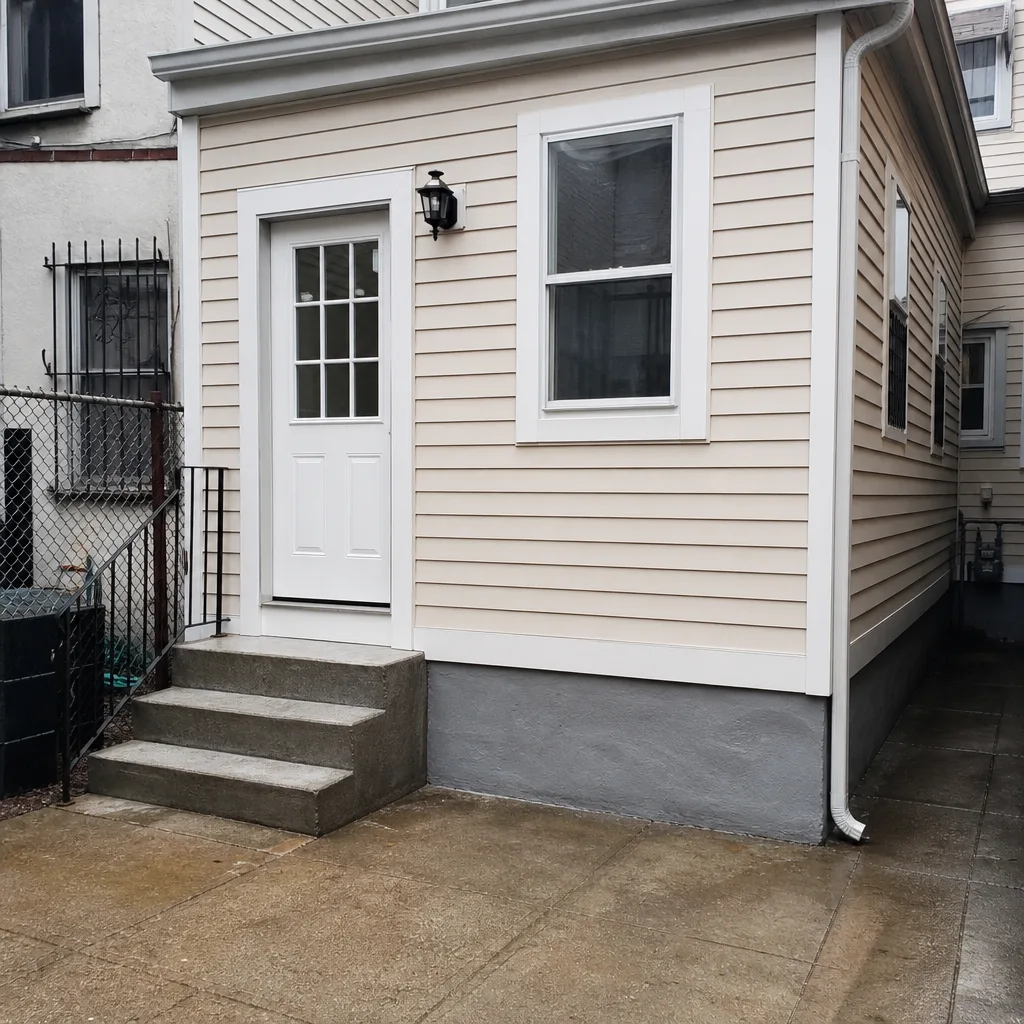 After
AfterCommon Water Damage Restoration Problems We See in Crown Heights Homes
- Party wall moisture migration: Water from one brownstone basement seeps through shared brick walls into the neighboring unit, so a single-unit cleanup becomes a two-unit drying job. We scope across the property line from the first visit, because hidden moisture in the neighbor’s joists feeds mold and triggers a second claim weeks later.
- Flat roof overflow after summer storms: Crown Heights row houses have flat or low-slope roofs, and heavy July and August thunderstorms routinely overwhelm roof drains and rear bulkheads. The water that pours down interior walls isn’t clean, so antimicrobial treatment has to happen before drying begins.
- Rotted original wood joists: In 1890s and 1920s buildings, the joists holding up your first floor are often original timber. Water saturates them fast and dries slowly, which is why our drying plans in Crown Heights always include penetrating moisture readings on the framing itself, not just the wall surfaces.
- Co-op insurance documentation gaps: Crown Heights co-op and condo boards want drying logs, moisture maps, and photo evidence before they’ll sign off on restoration work. We produce that documentation as standard practice, formatted for adjusters and building managers, so the work doesn’t stall over paperwork.
Pricing for Water Damage Restoration in Crown Heights, NY
Here’s what Crown Heights homeowners should expect for the two most common jobs. These are real ranges based on the buildings we work in every week.
| Service | Price Range in Crown Heights |
|---|---|
| Flooded Basement | $0 – $0 |
| Water Mitigation | $0 – $0 |
What affects the final number: the square footage of affected area, whether original plaster needs Injectidry panel drying, how many rooms are involved, and whether the water crossed a property line and requires coordinated drying logs for multiple units. Every Crown Heights job starts with a written price before any work begins. That number doesn’t change at the door. Call (607) 399-3439 for a free estimate, and we’ll give you a real dollar range for your building, not a vague “it depends.”
We Also Serve Cities Near Crown Heights
Our crews work throughout the borough and beyond. If you’re in Crown Heights or any of the surrounding areas – Brooklyn, New York, Midtown Manhattan, or Williamsburg – same-day response is usually available. We dispatch to all five boroughs with the same named arrival window and written pricing guarantee. For full details on our process across the metro area, see our Water Damage Restoration services page.
Serving Crown Heights, NY - Our Local Coverage Area
We’re based in the Crown Heights area and know this community well. Use the map below to see our service coverage - if you’re nearby, we can almost certainly help.
FAQs About Water Damage Restoration in Crown Heights
In Crown Heights, the owner of the unit where the water originated is generally responsible, but insurance claims often involve both parties when a shared party wall is affected. Your co-op or condo bylaws may also assign responsibility differently for common elements like party walls. The practical first step is drying both units and documenting moisture readings and drying logs across the property line – which is exactly the documentation our Water Damage Restoration team produces. We coordinate with both adjusters from day one. Call (607) 399-3439 and we’ll walk you through what your building’s situation requires.
Lime-based plaster and the brick behind it hold far more water than drywall, and standard dehumidifiers only pull moisture from the air, not from inside the wall assembly. In Crown Heights brownstones, that dampness usually means water is trapped between the plaster and the original brick, and it needs Injectidry panel drying or targeted low-grain refrigerant dehumidification with proper air exchange. The fix is not more time; it’s the right drying method for plaster and masonry. Call (607) 399-3439 for a moisture assessment – estimates are free.
Within hours, not days. In a Crown Heights garden-level unit with original wood joists and shared party walls, water left overnight starts wicking into framing and masonry, and mold germination can begin within 48 to 72 hours. We respond to Crown Heights calls 24/7, and a live person answers the phone, not a callback queue. After a heavy storm, our crews are typically on site within 60 to 90 minutes.
Category 3 water is grossly contaminated – sewage backing up through a floor drain, or stormwater that has picked up animal waste, chemicals, or standing debris. In Crown Heights basements, a floor drain that backs up during heavy rain is often Category 3, and stormwater from a flat roof overflow usually classifies as Category 2 or 3. These categories require antimicrobial treatment and controlled demolition of porous materials, not just extraction and drying. Skipping that step leaves contaminants in the structure. Call (607) 399-3439 and we’ll tell you straight what category your water is and what it means for the cleanup.
Yes. Our drying logs and moisture maps follow IICRC and RIA standards, and we format them specifically for co-op boards, building managers, and insurance adjusters in Crown Heights. The documentation includes initial moisture readings, daily drying progress, final moisture content of affected framing and plaster, and photo evidence at each stage. Co-op boards in Crown Heights routinely accept our logs because they show the full drying record, not just a technician’s word. Call (607) 399-3439 to discuss your building’s requirements before we start.
Written by Carl Brandt, owner at Dryden Restoration Brooklyn, serving Crown Heights with water damage restoration, mold remediation, and Fire Damage Restoration in Crown Heights since 2005.
If you’re dealing with water in Crown Heights right now, call (607) 399-3439. A live person answers 24/7, and we’ll give you a written price before any work begins.