
 Storm response
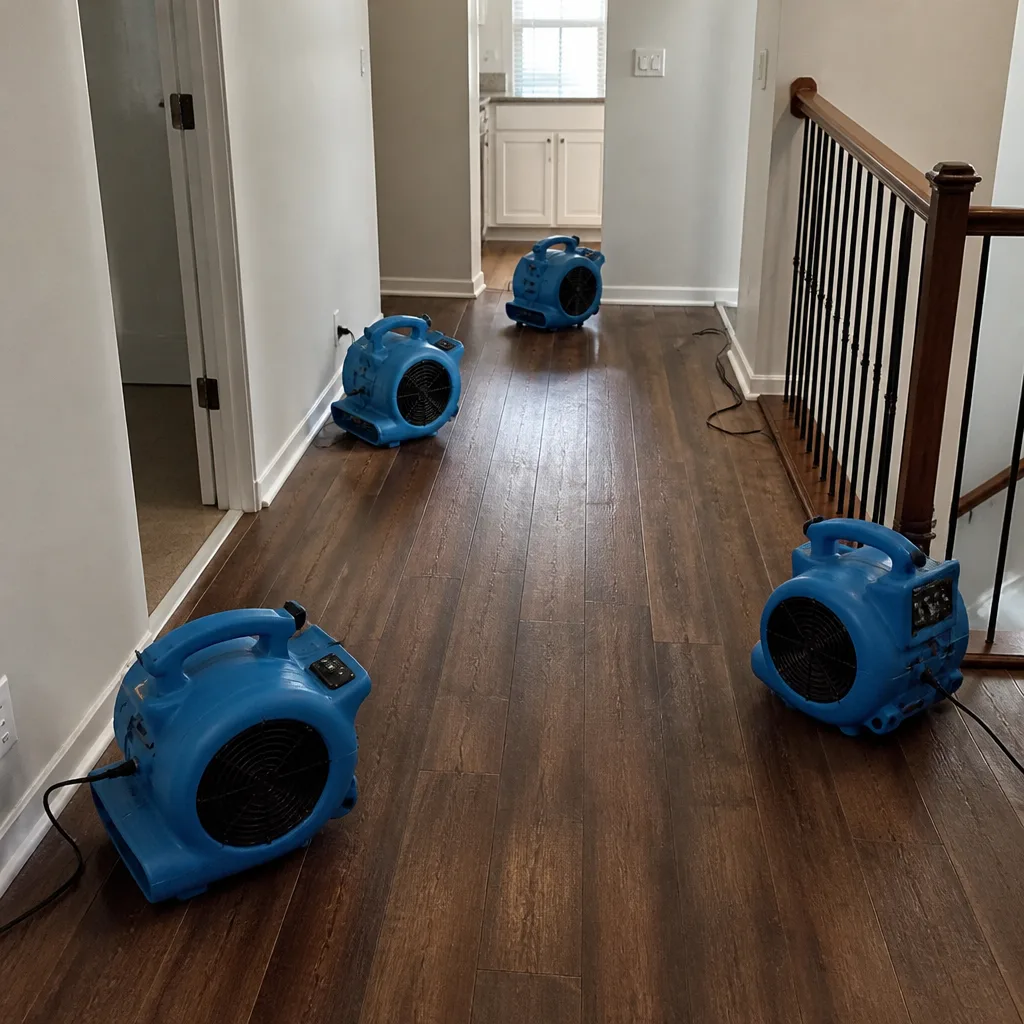 Water damage drying
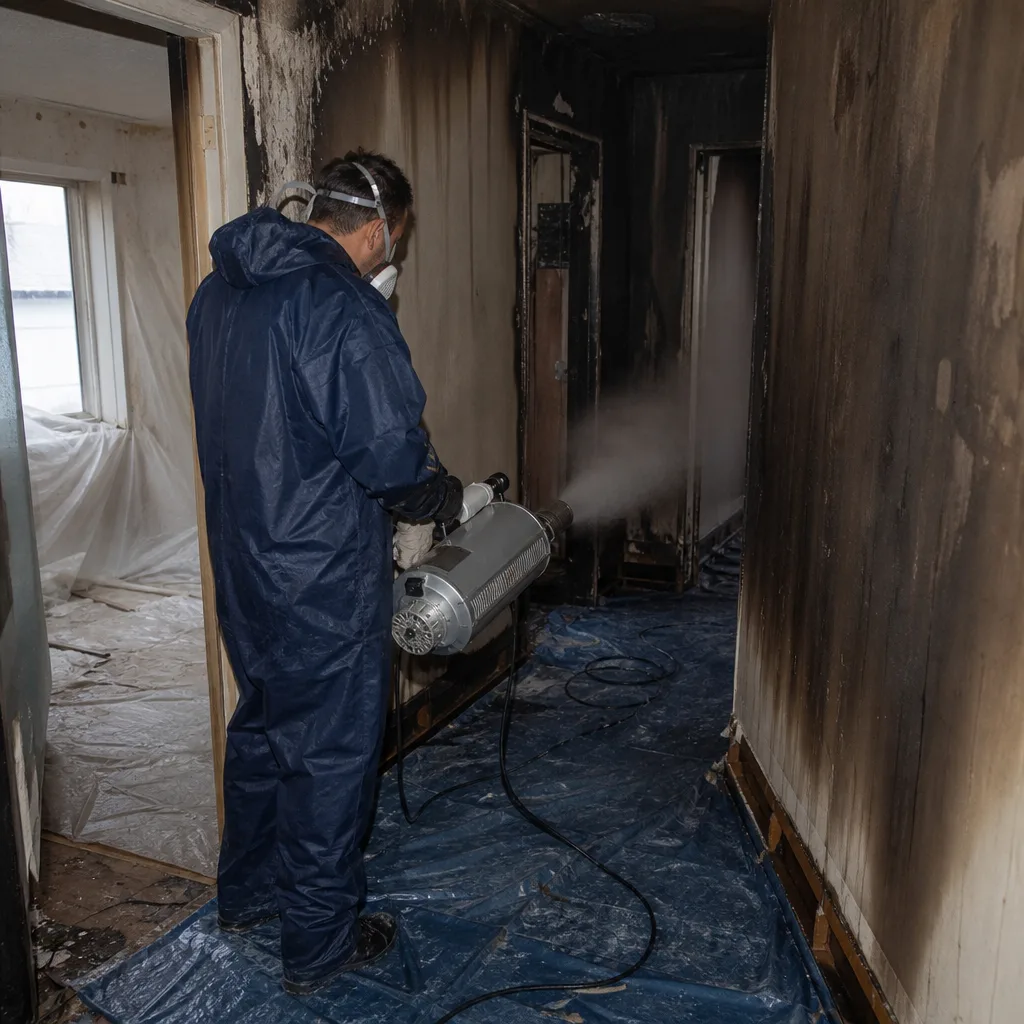
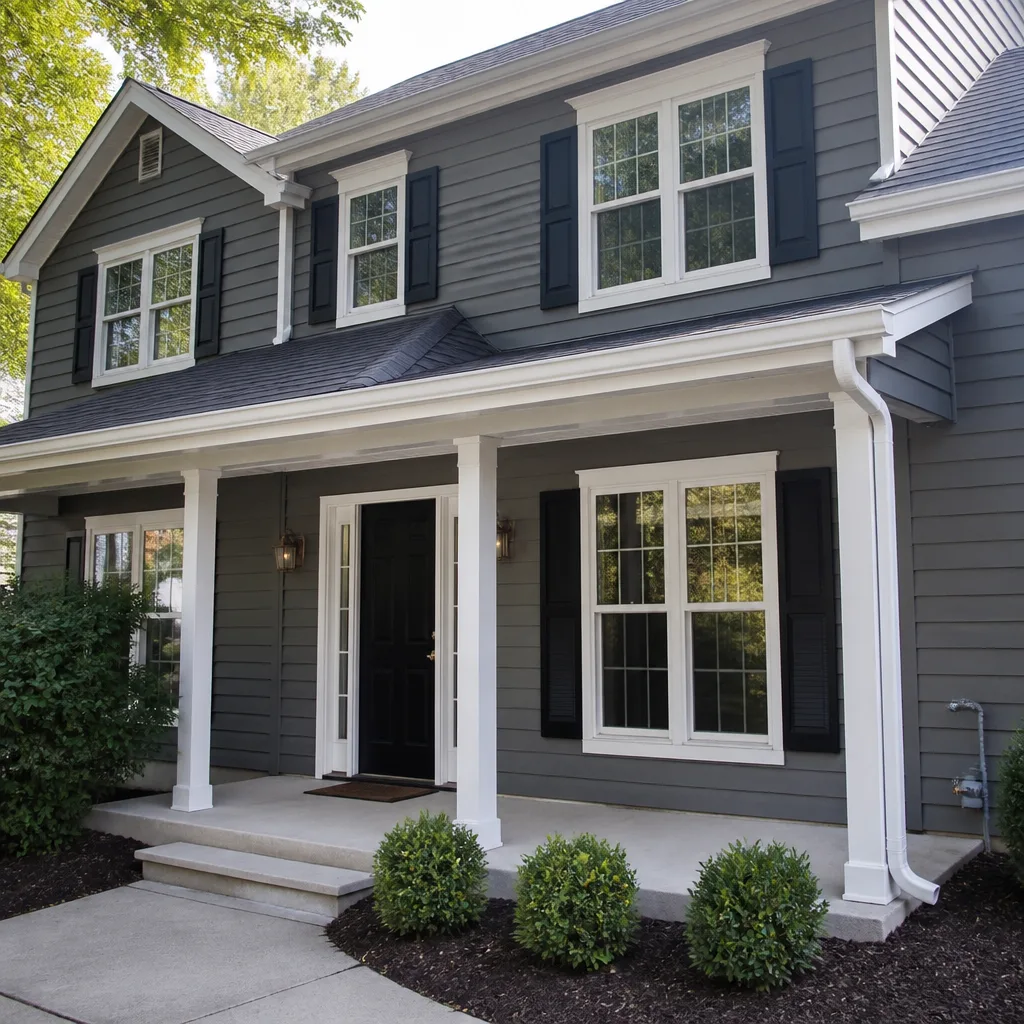 Fire & smoke cleanup
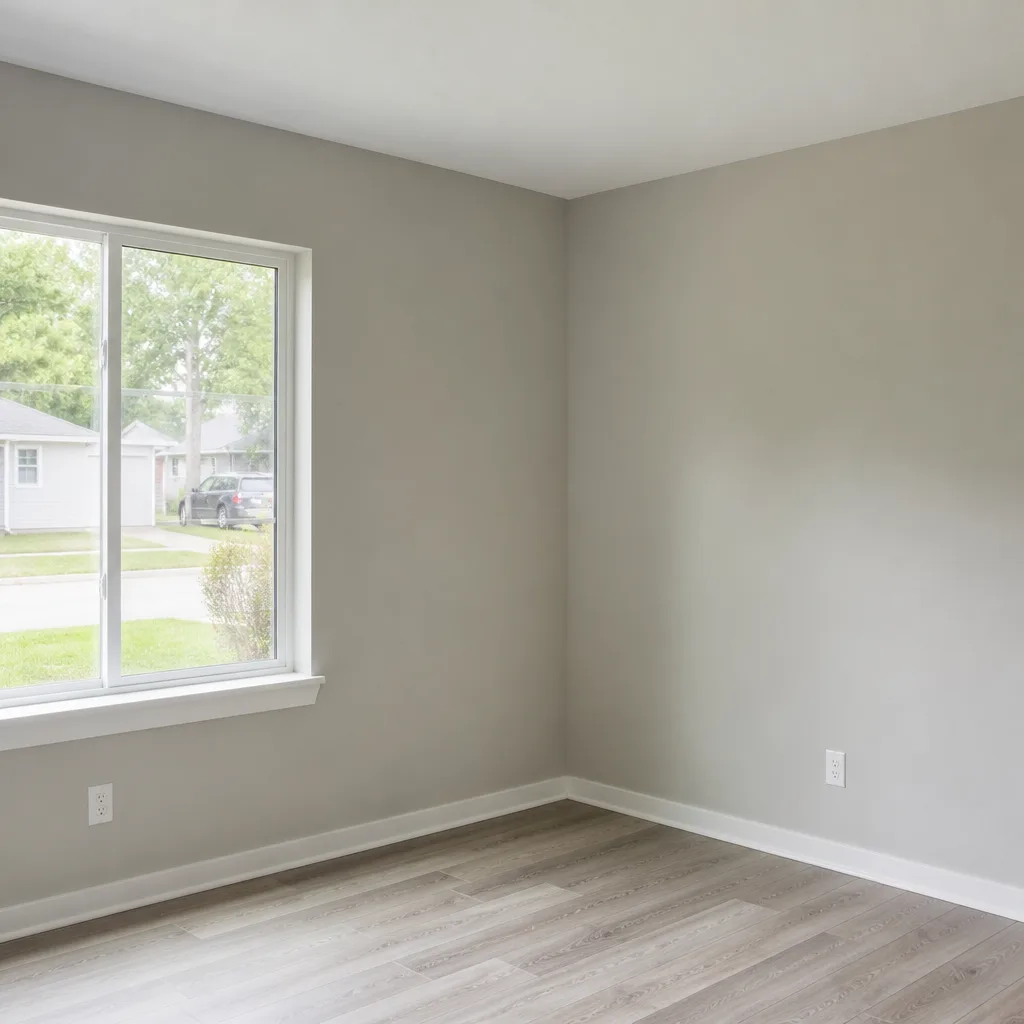 Mold remediation
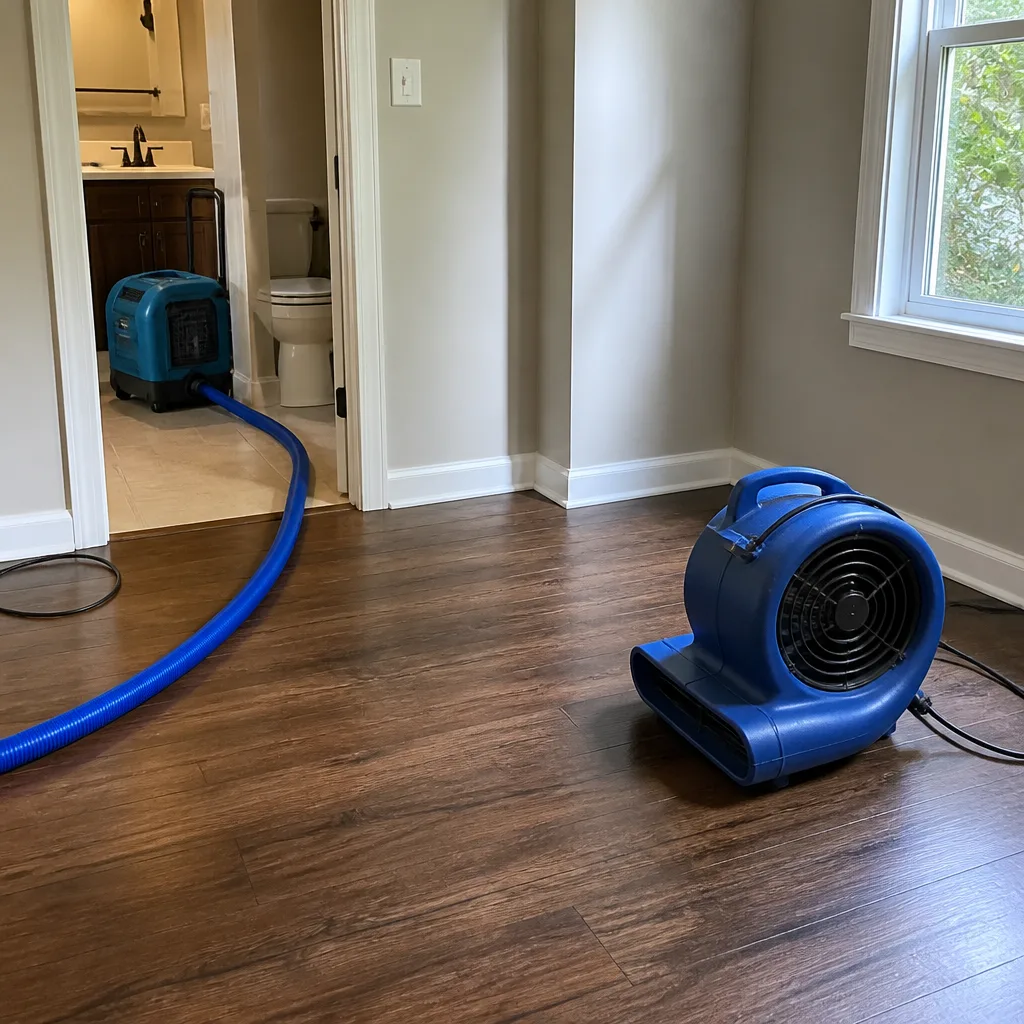 Sewage cleanup
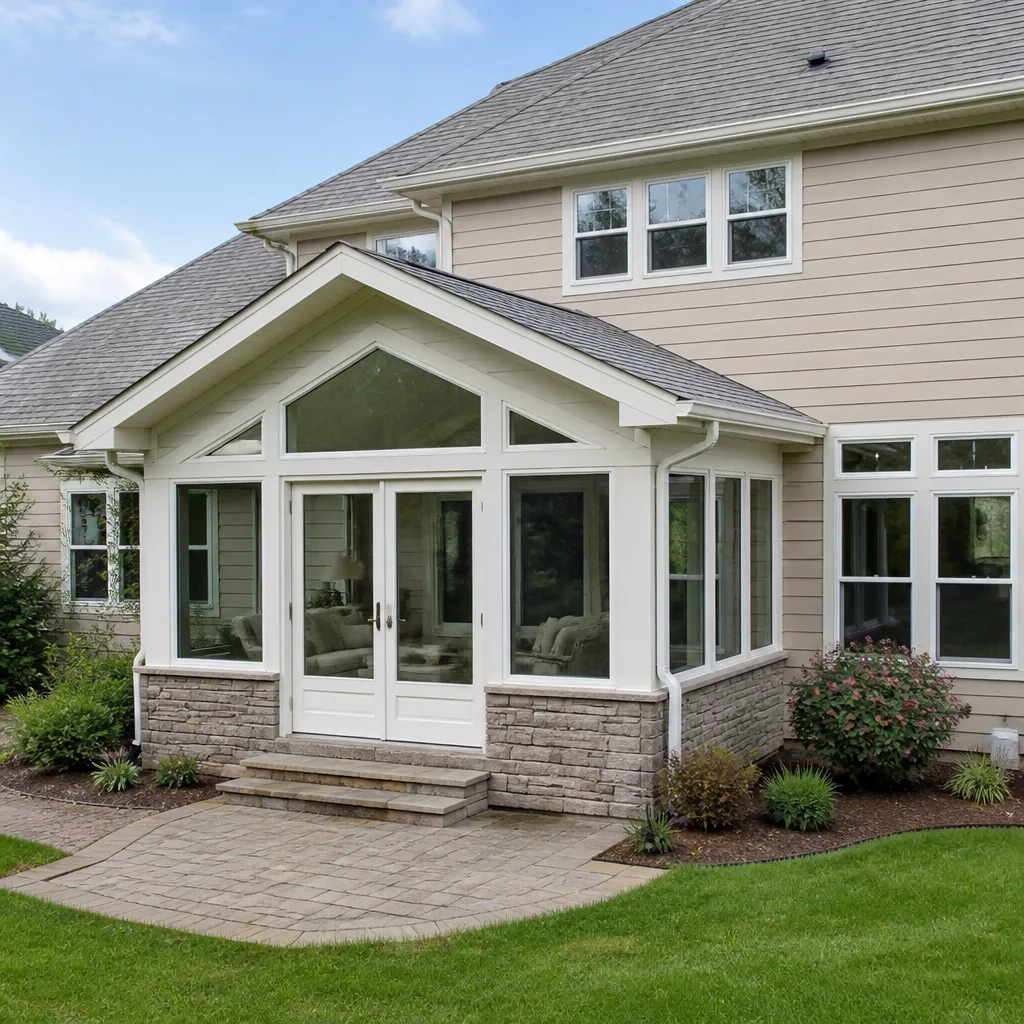 Reconstruction
Free visual inspection and a written scope of work before any mitigation begins - photos, moisture readings, and drying logs go in your claim file
The scope we write is the scope we bill. Anything new gets shown to you, in writing, before we touch it.
Get your free estimateRestoration work we handle
See the difference
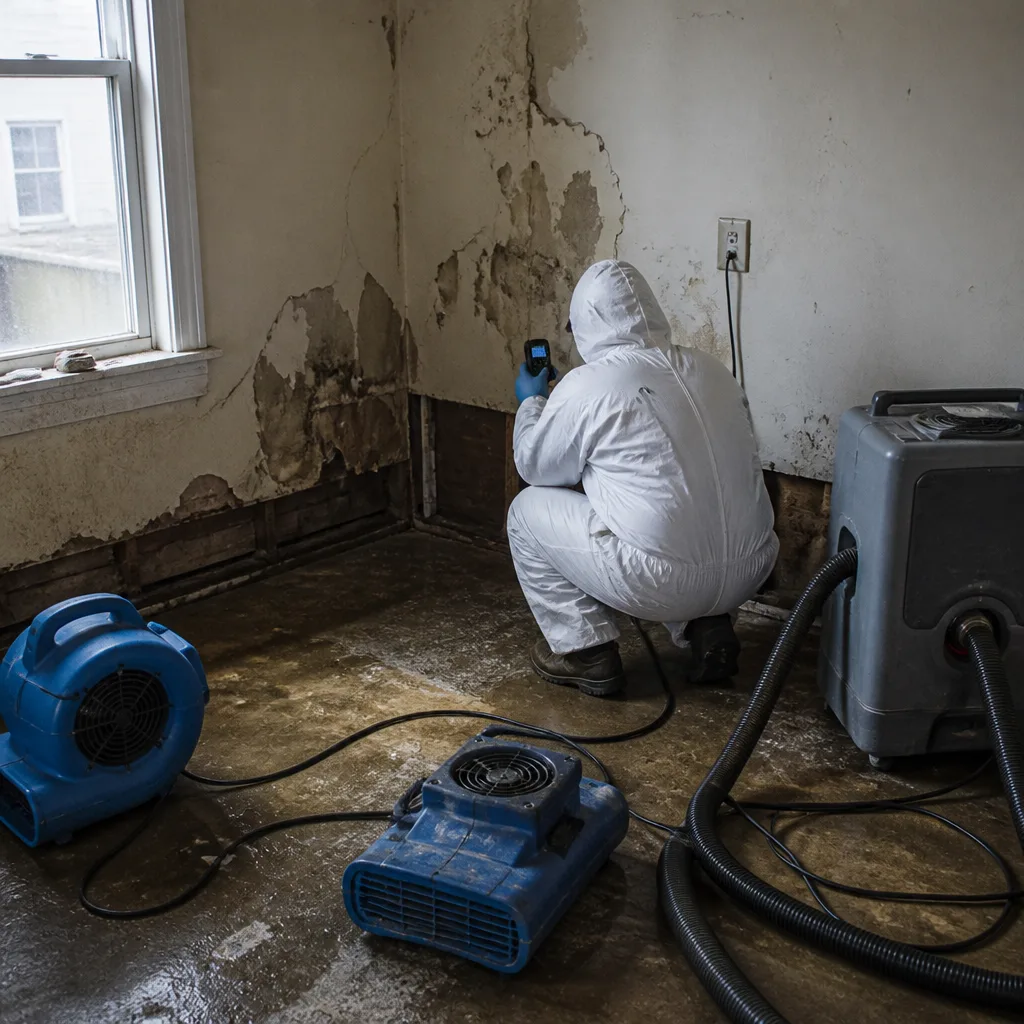 Before
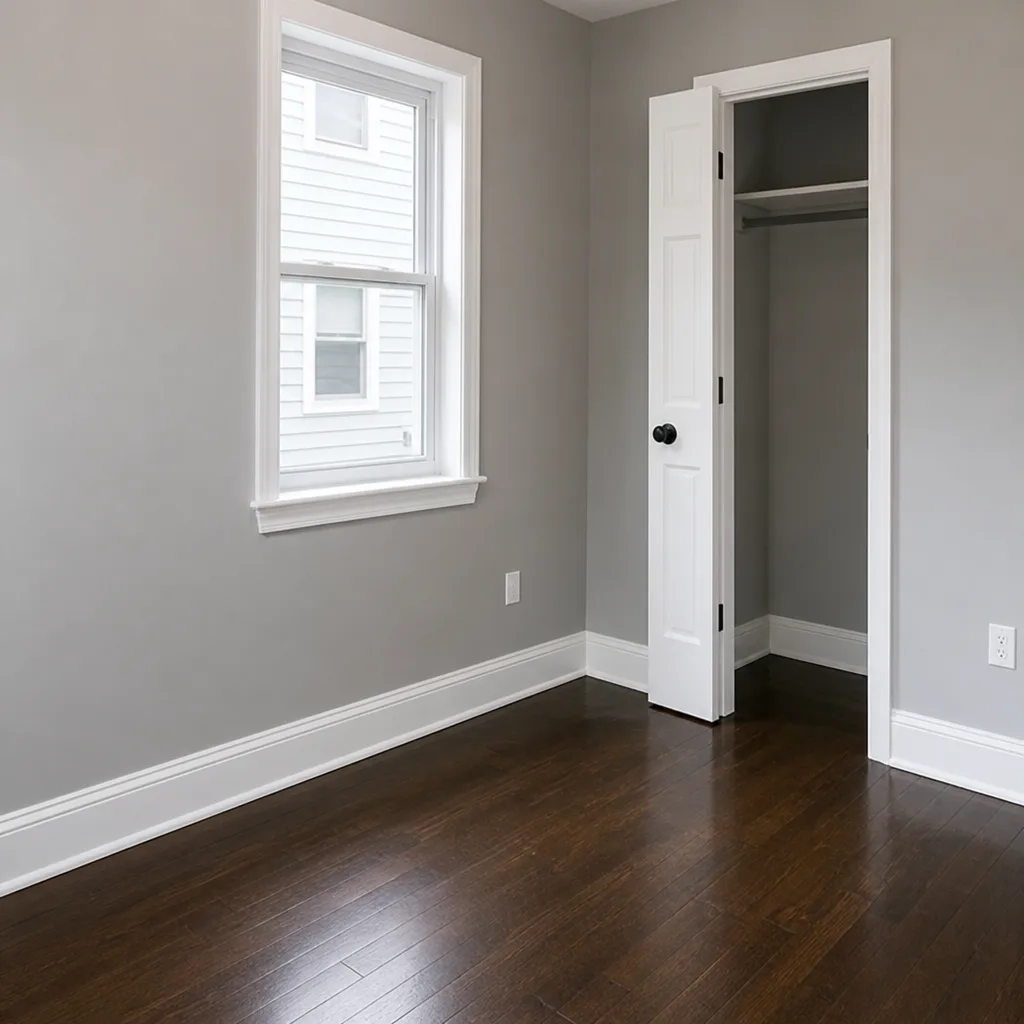 After
After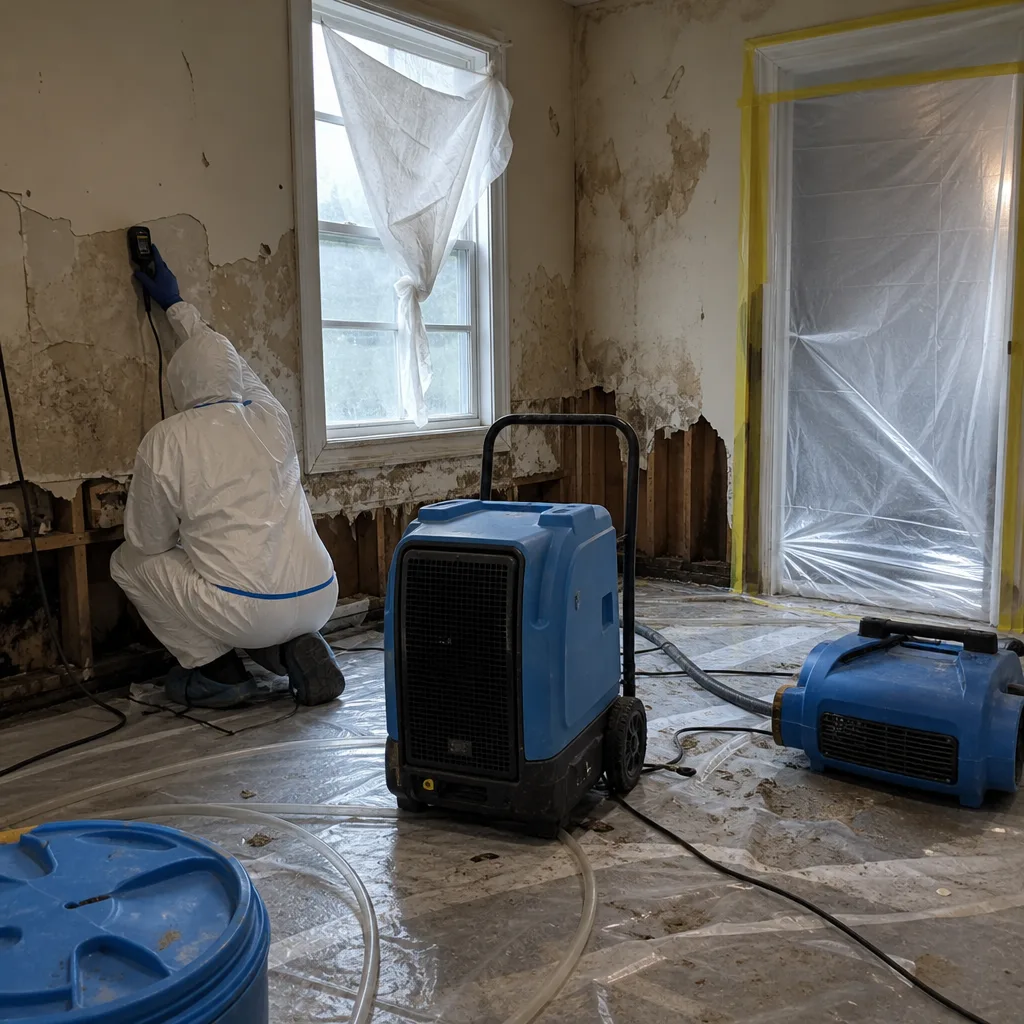 Before
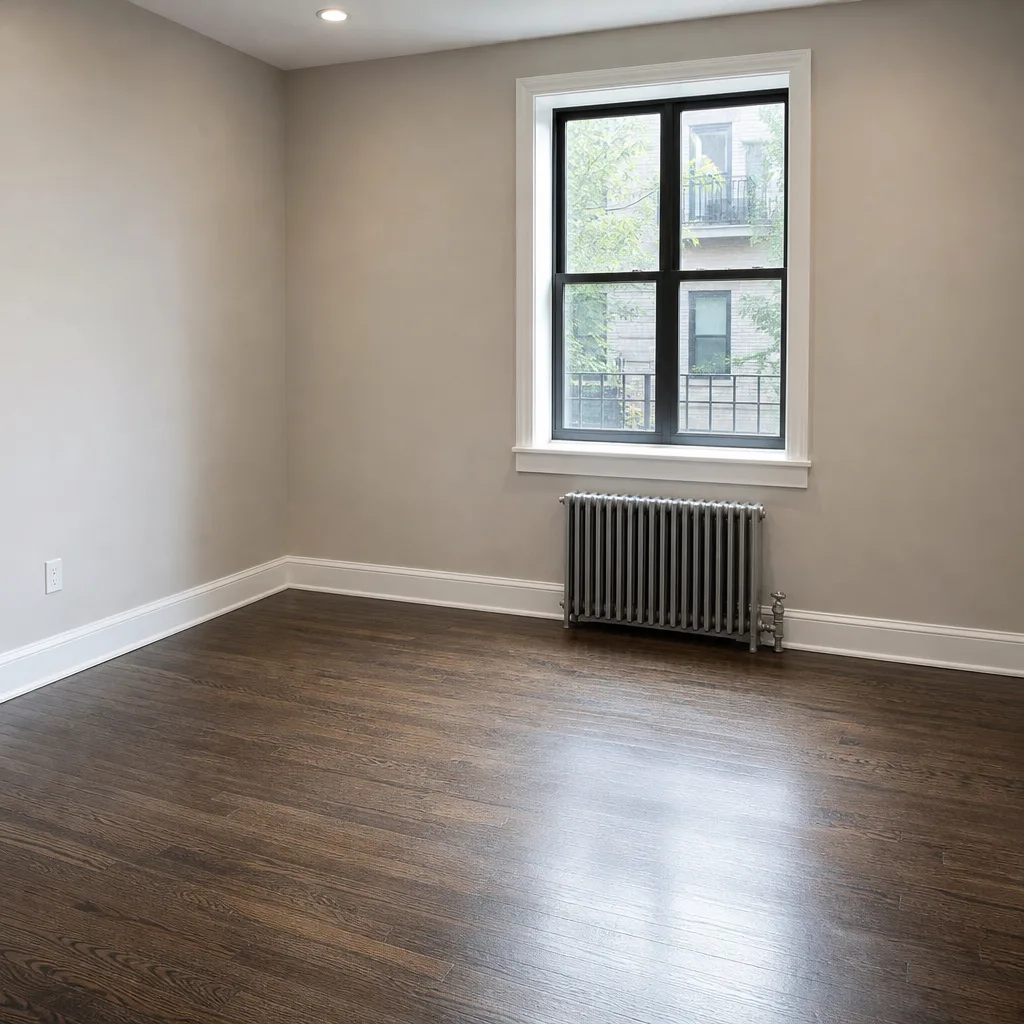 After
After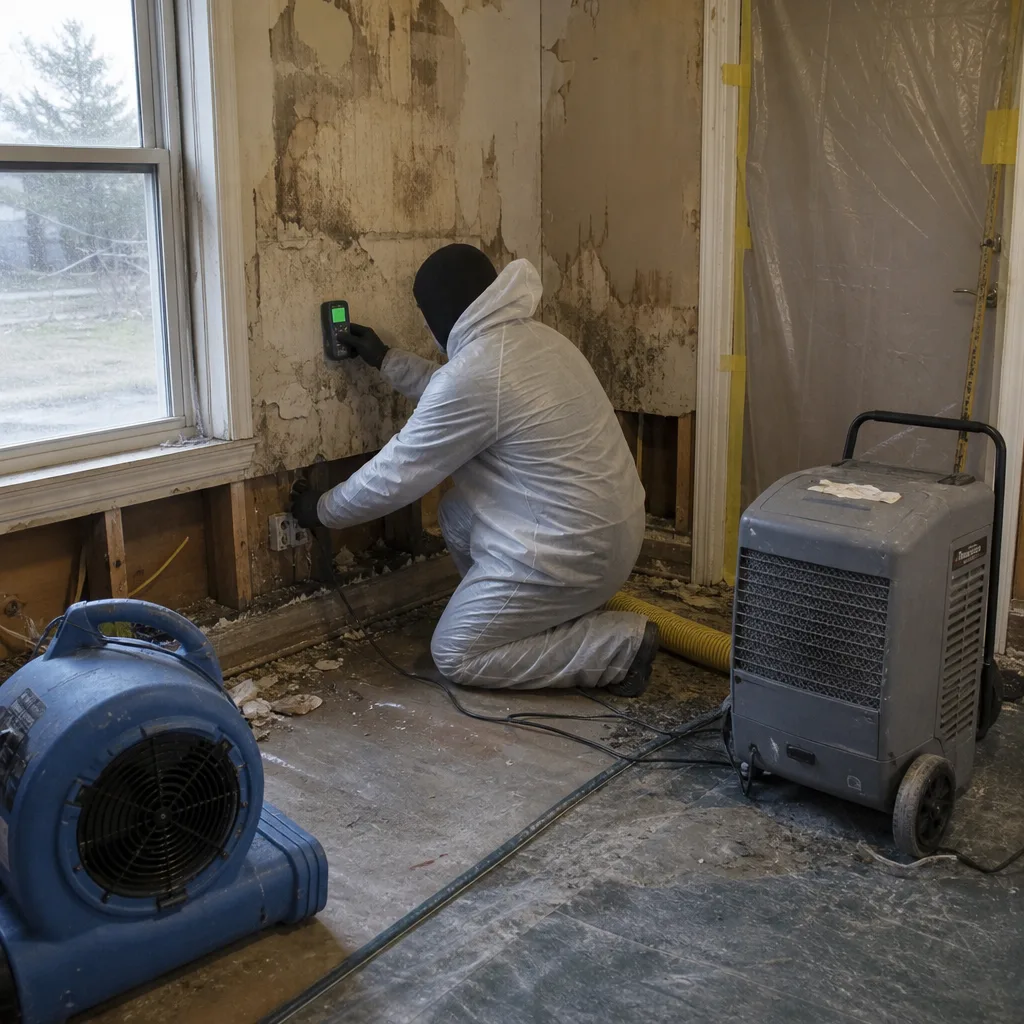 Before
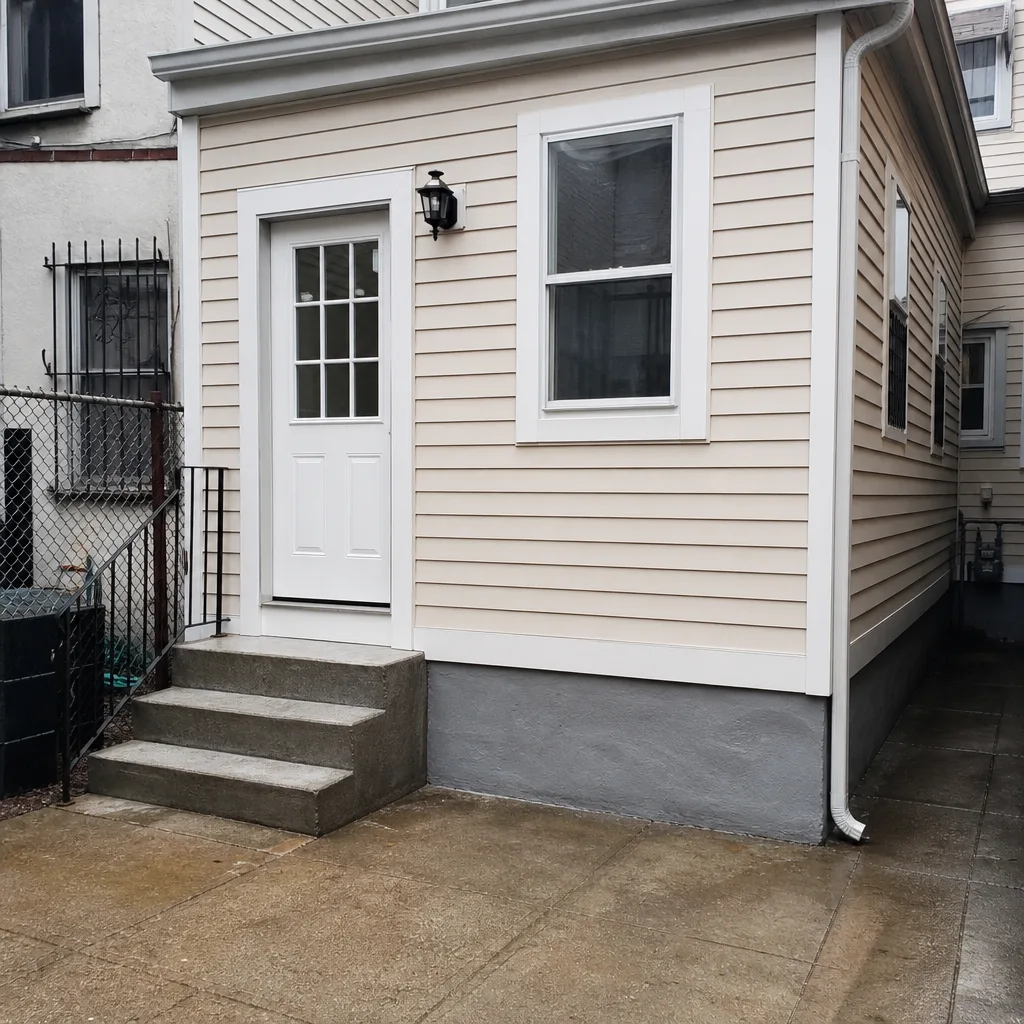 After
AfterHow Much Does Storm & Disaster Restoration Cost in Brooklyn?
Storm and disaster restoration in Brooklyn typically runs between $2,500 and $25,000 depending on the scope of damage, with most homeowners spending $5,000 to $12,000 for moderate water and structural repairs after a major weather event. Water extraction alone averages $1,500 to $4,500, while full-scale restoration that includes drying, mold prevention, structural repairs, and rebuild work climbs higher. These are real 2026 Brooklyn market numbers – not national averages – and they reflect the borough’s older housing stock, dense construction, and the specific challenges of restoring brownstones, prewar apartments, and attached row houses after storms like coastal flooding, hurricane remnants, and the increasingly common flash-flood events that hit neighborhoods like Gowanus, Red Hook, and Canarsie.
Every storm job is different, and the honest answer is that your price depends on square footage, water category, how long the water sat, and whether structural materials need to come out. What you should know before calling anyone: a reputable Brooklyn restoration company puts the price in writing before a tool is touched. At Dryden Restoration Brooklyn, that’s exactly what we do – a written price before any work starts, so the number doesn’t change at your door.
Key Takeaways: Storm Restoration Costs in Brooklyn
- Typical total cost: $2,500 to $25,000, with most Brooklyn jobs landing between $5,000 and $12,000.
- Water extraction only: $1,500 to $4,500 for a typical basement or ground-floor flood.
- Structural drying (3-5 days): $1,800 to $6,000 including professional-grade equipment and daily monitoring.
- Mold remediation after water damage: $2,000 to $8,000 when water sat for 24+ hours before extraction.
- Full restoration with rebuild: $10,000 to $25,000+ when walls, flooring, and electrical need replacement.
- Biggest cost driver: how long water sat before professional extraction started. Hours matter. Days cost thousands.
- Free estimates: Dryden Restoration Brooklyn provides a written price before any work starts. Call (607) 399-3439.
Storm & Disaster Restoration Cost Breakdown (2026)
Here’s what Brooklyn homeowners actually paid in 2025 and early 2026 for storm restoration work, broken down by service line. These ranges come from our own job history across the borough – from Park Slope basements to Sheepshead Bay ground units – and reflect the local market, not a national chart.
| Service | Typical Cost Range (Brooklyn, 2026) | What’s Included |
|---|---|---|
| Emergency water extraction | $1,500 – $4,500 | Pump-out of standing water, initial debris removal, moisture mapping of affected areas |
| Structural drying (3-5 days) | $1,800 – $6,000 | Professional air movers and dehumidifiers (Dri-Eaz, Phoenix, B-Air), daily RH monitoring, moisture readings |
| Mold remediation (post-flood) | $2,000 – $8,000 | Containment, HEPA air scrubbing, surface treatment, removal of contaminated drywall and insulation |
| Drywall and insulation replacement | $2,500 – $7,500 | Tear-out of water-damaged material, disposal, new drywall, tape, mud, and insulation for affected rooms |
| Flooring replacement | $3,000 – $9,000 | Removal of warped hardwood, delaminated laminate, soaked carpet and pad, plus new material and install |
| Storm drain backup cleanup | $2,000 – $6,500 | Category 3 (sewage) water extraction, sanitizing, deodorizing, and material removal |
| Full restoration with rebuild | $10,000 – $25,000+ | Complete restoration from gutted space to finished room, including electrical, drywall, paint, and trim |
| Roof leak storm repair (interior only) | $1,200 – $4,800 | Ceiling and wall drying, stain sealing, and drywall repair where water entered through the roof |
One thing every Brooklyn homeowner should understand: these are line-item ranges for work done by a licensed, insured restoration company with professional equipment. The cheaper end of any range assumes you called within hours, the water was Category 1 (clean, from a supply line or rain), and damage was contained to one or two rooms. The higher end reflects Category 3 water (storm sewer backup, canal overflow from the Gowanus, or street floodwater that sat for a day or more before extraction).
We use professional-grade drying equipment on every job – Dri-Eaz dehumidifiers, Phoenix air movers, XPOWER extraction units, B-Air fans, and Injectidry systems for hardwood floors and hard-to-reach cavities. These are the same machines commercial restoration crews use, and they’re why our drying times stay short and our mold follow-up rates stay low. The work itself is performed to IICRC, RIA, and IFA standards – the damage restoration industry’s recognized benchmarks for training, ethics, and procedure.
What Affects Storm & Disaster Restoration Pricing in Brooklyn
Brooklyn is not like the suburbs. Pricing here reflects the borough’s specific housing stock and geography, and a few factors move the final number more than anything else:
- How long water sat before extraction. This is the single biggest cost driver. Water that sits for 6 hours soaks into drywall, baseboards, and flooring. Water that sits for 48 hours breeds mold inside wall cavities and under floors. Every hour of delay adds to the demolition list. In neighborhoods like Canarsie and Mill Basin, where basement flooding is common after heavy rain events, we routinely see jobs where 4 hours of quick action would have been a $2,500 extraction and dry-out, but 2 days of waiting turned it into a $12,000 tear-out and rebuild.
- Water category. Category 1 (clean rainwater or supply-line water) is the cheapest to handle. Category 2 (gray water with some contamination) costs more because we have to sanitize surfaces. Category 3 (sewage backup, Gowanus Canal overflow, street floodwater) is the most expensive – it requires full PPE for our technicians, aggressive sanitizing, and almost always includes removing porous materials like drywall, insulation, and carpet rather than drying them.
- Building type and age. Brooklyn’s prewar buildings and brownstones have plaster walls, thick masonry, and original hardwood that behave differently in a flood. Plaster holds water longer than drywall and sometimes needs to come out entirely. Original flooring in brownstone parlors isn’t replaceable with off-the-shelf material, so we work harder to save it with Injectidry systems. Newer construction in Williamsburg and Downtown Brooklyn often dries faster, but open-plan layouts mean water spreads across more square feet before anyone notices.
- Basement versus upper floors. Most Brooklyn storm damage happens at or below grade. Basements are slower to dry – there’s less air movement, higher ambient humidity, and more wall cavity space where water hides. Ground-floor units in row houses face similar issues. Upper-floor damage (from roof leaks or window failures) usually dries faster and costs less per square foot.
- Access and logistics. This is a real Brooklyn-specific factor. Parking a box truck on a narrow Carroll Gardens street is different from pulling into a driveway in Staten Island. Walk-up apartments mean our technicians carry equipment up flights of stairs. Buildings with freight elevators help; buildings without them add time. These logistics costs are modest but real, and they show up in the final line item.
- Season and storm volume. When a major coastal storm or flash-flood event hits the borough, restoration capacity tightens across every company. Prices are generally stable throughout the year at Dryden – we don’t surge-price because a storm created demand – but material costs for drywall, insulation, and flooring do fluctuate. During the 2025 hurricane season, sheetrock prices in the region rose roughly 8% for about six weeks before settling back.
How Much Does Each Type of Storm Damage Cost in Brooklyn?
Storm damage in Brooklyn isn’t one thing – it’s several different failure modes that often happen together. Here’s what each one costs when handled by a professional restoration company.
Flood and Water Damage Restoration
Water is Brooklyn’s most common storm problem, and the numbers break down like this: a typical basement flood from a heavy rain event costs $2,500 to $8,000 to extract, dry, and restore. If the water came up through a storm drain or sewer line (Category 3), expect $4,000 to $12,000 because of the sanitizing and material removal involved. Coastal flood zones like Red Hook, Sea Gate, and parts of Coney Island see the highest water damage costs because salt water corrodes electrical connections and requires more aggressive cleaning. Salt water damage adds roughly 15-20% to the restoration bill compared to the same volume of fresh rainwater.
Wind and Structural Damage
Wind-driven rain – not falling trees – is what we see most in Brooklyn after storms. Water gets forced through window frames, roof flashing, and brick pointing, and the interior repair costs $1,200 to $4,800 per affected room depending on how long the leak ran before it was caught. When a tree limb or falling debris actually breaches the building envelope, structural repair enters the picture. Interior structural work after a breach runs $3,000 to $10,000, not counting whatever the exterior and roofing contractor charges. That’s an important distinction: restoration companies handle the inside; roofers and masons handle the outside. We coordinate with them, but our scope is the interior damage.
Mold Remediation After Storm Water
Mold is the quiet second disaster that follows every flood. In Brooklyn’s humid summer months, mold colonies can establish within 48-72 hours of water intrusion. Remediation costs $2,000 to $8,000 for typical post-storm scenarios, but here’s the number homeowners need to know: if water is extracted and properly dried within the first 24-48 hours, mold remediation is usually avoidable entirely. The math favors calling fast. A $2,500 extraction and dry-out beats a $6,000 mold remediation plus rebuild costs. This is why we answer the phone live 24 hours a day, 7 days a week – nights and weekends are when the clock is running on mold, and a homeowner should never be routed to voicemail while their walls are wicking water.
Roof Leak and Ceiling Damage
Storm-driven rain finds its way through compromised roofing, and the interior damage shows up as brown ceiling stains, peeling paint, and swollen drywall. Interior ceiling and wall drying for a roof leak costs $1,200 to $4,800 in Brooklyn, with the range reflecting how many rooms are affected and whether insulation in the ceiling cavity needs to be replaced. One thing to know: roof leaks don’t always show where the water enters. Water travels along joists and beams, so a stain in one room might originate from a leak 15 feet away. We use moisture meters and thermal imaging to trace the actual path, not just the visible stain.
Storm Drain and Sewer Backup
When heavy rain overwhelms Brooklyn’s combined sewer system, the result is sewage backing up through floor drains into basements across low-lying neighborhoods. This is Category 3 water – it carries bacteria, viruses, and chemical contaminants. Cleanup costs $2,000 to $6,500 for a typical basement, including extraction, sanitizing, deodorizing, and removal of contaminated materials like carpet, drywall, and insulation that can’t be safely dried. Any homeowner dealing with sewer backup should never attempt DIY cleanup without proper PPE. Our technicians are trained in Category 3 protocols and arrive in full protective gear.
How the Restoration Process Works (And Where Your Money Goes)
When you call Dryden Restoration Brooklyn after a storm, here’s the sequence of events, step by step. Knowing this before you call helps you understand where each dollar lands.
- Emergency contact and dispatch. You call (607) 399-3439. A live person answers – not a recording – and asks about the damage, the water source, and whether it’s still active. We dispatch a team to your address with an arrival window you can plan around. This is part of the Kingswell Guarantee that governs every job: a committed arrival window, not a vague “sometime this afternoon.”
- Assessment and moisture mapping. Our technicians arrive in Dryden uniform, assess the damage, and use moisture meters plus thermal imaging to map how far water has traveled. This tells us what’s wet, what’s salvageable, and what needs to come out. We explain what we found in plain English – not trade jargon – and show you the readings.
- Written price before work starts. Here’s where we’re different: you get a written price before any tool is touched. It itemizes what we’ll do, what it costs, and what’s included. The number does not change at the door. No upsells, no surprise line items, no “we found more damage” pricing games.
- Water extraction. We remove standing water using truck-mounted and portable extraction units. In a Brooklyn basement, this typically takes 2-6 hours depending on water volume and access.
- Structural drying. We place professional air movers (Phoenix, B-Air) and dehumidifiers (Dri-Eaz) in a calculated arrangement based on the room’s psychrometric reading – a measurement of air temperature and relative humidity (RH) that tells us how fast moisture will leave materials. We return daily to check moisture levels and adjust equipment. Most Brooklyn jobs dry in 3-5 days.
- Demolition and material removal (when needed). Drywall, insulation, carpet, and padding that can’t be saved come out. We bag and dispose of everything, and we leave the space cleaner than we found it – that’s part of The Kingswell Way we’re held to on every job.
- Sanitizing and mold prevention. After drying, we treat affected surfaces with antimicrobial agents and HEPA air scrubbers where needed. For Category 3 water, this step is mandatory and more extensive.
- Rebuild and restoration. If your scope includes reconstruction, we handle it directly or coordinate with your contractor. We don’t hand you a half-finished space and disappear.
- Final walkthrough and written guarantee. Before we leave, we walk the space with you and confirm everything matches the written scope. Then you receive the 365-Day Done Right Promise in writing. If any covered repair fails within a full year, we come back and make it right at no charge. Not a verbal promise – a written one.
Does Insurance Cover Storm & Disaster Restoration in Brooklyn?
Most Brooklyn homeowners policies cover sudden and accidental storm damage – wind-driven rain, falling trees, and burst pipes from freezing. Flood damage is the exception: standard homeowners insurance does not cover rising water from storms, storm surge, or overflowing bodies of water. That requires a separate flood insurance policy, typically through the National Flood Insurance Program (NFIP) or a private carrier. If your home is in a FEMA-designated flood zone – and large parts of Red Hook, Gowanus, Coney Island, and Sheepshead Bay are – your mortgage lender likely already requires flood coverage.
The practical takeaway: document everything before you call us. Take photos and video of standing water, damaged materials, and the source if it’s visible. Save receipts for any emergency work you had done before we arrived. We work directly with insurance adjusters and can provide the documentation they need – moisture readings, equipment logs, photo records, and itemized scopes. Many Brooklyn homeowners find that their out-of-pocket cost after insurance is just their deductible, typically $500 to $2,500 depending on the policy. We’ll help you understand what your policy covers before we start work, and we’ll explain what the adjuster will ask for.
How to Save on Storm & Disaster Restoration
Restoration is expensive, but there are ways to keep costs down without cutting corners. Here’s what actually moves the number:
- Call within the first few hours. This is the single most effective cost-control measure. Fast extraction prevents water from soaking into drywall, flooring, and structural wood. Every hour of delay adds to the demolition list. A $2,500 problem becomes a $12,000 problem when you wait two days.
- Stop the water source if you can safely. If a pipe burst and you can reach the shutoff valve, turn it off. If it’s stormwater coming through the roof, place buckets and move valuables. Don’t touch electrical panels or outlets that are wet – that’s a job for a professional, and a genuinely dangerous one.
- Move furniture and belongings out of wet areas. Wood furniture that sits in water for hours swells and becomes unsalvageable. Electronics that get wet usually die. Moving them costs you nothing and saves real money.
- Don’t attempt DIY drying with household fans. Box fans and open windows won’t pull moisture from wall cavities and subfloors. What they do is waste two days while mold establishes. Professional equipment – the Dri-Eaz and Phoenix machines we run – moves 3,000 to 4,000 cubic feet of air per minute and pulls gallons of water out of the air daily. A homeowner can’t replicate that, and by the time the DIY approach fails, the repair bill has grown.
- Ask for a written price before work starts. This should be non-negotiable. Any company that won’t put a price in writing before starting is a company that plans to change the number at the door. At Dryden, the written price is standard on every job – it’s part of the Kingswell Guarantee.
- Get the guarantee in writing. A repair that fails two months later means paying twice. Our 365-Day Done Right Promise entitles you to a free return visit if any covered repair fails within a year. If a company won’t put its guarantee in writing, treat the verbal promise as worthless.
One more practical note: estimates are free. Call (607) 399-3439 and we’ll come out, assess the damage, and give you a written price. You’re under no obligation. If our number is higher than another company’s, ask them to itemize their scope the same way we do – you’ll often find the “cheaper” quote excludes drying, sanitizing, or the rebuild finish work. Our price includes everything from extraction to final walkthrough.
Why Brooklyn Storm Restoration Costs More Than the National Average
If you’ve looked at national cost guides, you’ll notice Brooklyn runs 15-30% higher. That’s not a markup – it’s geography and housing stock. Here’s what’s actually driving it:
- Density and access. Attached row houses share walls, which means water travels between units. Parking and staging equipment costs more in dense neighborhoods. Every block in Brooklyn has its own access reality, from Bed-Stuy stoops to Brighton Beach side alleys.
- Older building materials. Prewar buildings have plaster and lath walls, original pine subfloors, and joists that have been settling for a century. These materials hold water differently than modern drywall and OSB, and they take longer to dry properly. Some can’t be saved once soaked, and matching original materials costs more than builder-grade replacements.
- Flood-zone prevalence. Large sections of Brooklyn sit in FEMA flood zones, which means more homes are exposed to standing water during storm events. More exposure equals more damage severity on average, and severity drives cost.
- Labor rates. Union labor, prevailing wages, and the general cost of doing business in New York City all flow through to restoration pricing. A technician in Brooklyn earns more than one in most of the country, and that’s reflected honestly in our rates.
- Permit and disposal costs. Brooklyn disposal fees for construction debris run higher than most suburban areas. Permits, when needed for structural work, add time and money. We handle all of this for you and it’s itemized in the written price.
Storm & Disaster Restoration Cost FAQs
Is it cheaper to repair or replace water-damaged drywall in Brooklyn?
If drywall has been wet for less than 24 hours with clean water, drying is usually possible and costs $1,800 to $4,000 for a typical room. If drywall has been wet for more than 48 hours, or if the water was Category 3 (sewage or floodwater), replacement is almost always cheaper in the long run – $2,500 to $5,000 per room including tear-out, new drywall, tape, mud, and paint. Attempting to “save” soaked drywall that has begun to wick water up from the baseboard line often leads to hidden mold inside the wall cavity, and remediation later costs more than replacement would have cost immediately. Call (607) 399-3439 and we’ll tell you honestly which route makes sense for your specific damage.
How much does water extraction cost in Brooklyn after a storm?
Standalone water extraction in Brooklyn runs $1,500 to $4,500 depending on square footage, water depth, and access. A typical 800-square-foot basement with 2-4 inches of standing water falls in the $2,000 to $3,500 range for extraction alone. Note that extraction without professional structural drying is incomplete work – water in wall cavities and subfloors will cause mold even after the standing water is gone. A full extraction plus 3-5 days of drying costs $3,300 to $10,500 combined. Call (607) 399-3439 for a free, written estimate based on your actual situation.
Can storm restoration be done the same day in Brooklyn?
Yes, extraction starts the same day you call in almost every case. We keep crews available across Brooklyn and answer the phone live 24/7, so when a storm hits we can often have a team at your door within hours – not days. Full restoration (drying, demolition, rebuild) takes longer: drying runs 3-5 days, demolition is typically 1-2 days, and rebuild work depends on scope. But the emergency response – the part that stops further damage – happens the day you reach us. Call (607) 399-3439 and a live person will tell you our current availability and what to do in the meantime.
How much does mold remediation cost after a Brooklyn flood?
Post-flood mold remediation in Brooklyn runs $2,000 to $8,000 for a typical contained area. Small jobs – a single closet or a section of wall – fall in the $2,000 to $3,500 range. Whole-basement remediation with containment chambers, HEPA air scrubbing, and removal of contaminated drywall and insulation runs $5,000 to $8,000. The most important number to know: if water is extracted and properly dried within 24-48 hours, mold remediation is usually unnecessary entirely. The fastest way to avoid a mold bill is to call a restoration company before the 48-hour mark. Call (607) 399-3439 now if you’re inside that window.
Does homeowners insurance cover storm damage restoration in Brooklyn?
Yes, for sudden and accidental damage from wind, rain entering through a storm-created opening, falling trees, and burst pipes. Standard policies do not cover flooding from rising water – that requires separate flood insurance, which many Brooklyn homeowners in FEMA flood zones already carry because their lenders require it. Typical out-of-pocket after insurance is the deductible: $500 to $2,500 for most Brooklyn policies. We work directly with adjusters and provide the documentation they need. Call (607) 399-3439 and we’ll help you understand your coverage before any work begins.
Should I wait for my insurance adjuster before starting restoration?
No – and this is important. Your policy requires you to mitigate further damage, which means extracting water and starting drying immediately. Waiting for an adjuster can take days, and every day of waiting turns a drying job into a demolition job. What you should do: take photos and video of everything before anyone touches it, call us at (607) 399-3439 to start extraction and drying, and keep the adjuster informed. Insurance claims are processed normally when mitigation starts quickly. Delaying mitigation because you’re waiting for an adjuster is a mistake that costs Brooklyn homeowners thousands every year.
Ready to Get a Written Price for Storm Restoration in Brooklyn?
If you’re dealing with storm damage right now, call (607) 399-3439. A live person answers – 24 hours a day, 7 days a week, including nights, weekends, and holidays. We’ll ask about your situation, give you an honest sense of what you’re facing, and dispatch a team to your Brooklyn address with a committed arrival window.
When our technicians arrive, they’ll be in Dryden uniform and carry identification, so you know exactly who you’re letting into your home. They’ll assess the damage, explain what they found in plain English, and hand you a written price before any work starts. That price includes everything from extraction to the final walkthrough. No number changes at your door.
Every job we do – including yours – is governed by The Kingswell Guarantee: a written price before work begins, a committed arrival window, a clean job site, and the 365-Day Done Right Promise in writing. If any covered repair fails within a year, we come back and fix it at no charge. That’s not a marketing line. It’s the document you receive with every job.
Dryden Restoration Brooklyn has been serving Brooklyn homeowners since 2005 as an independently owned and operated Kingswell company. We work to IICRC, RIA, and IFA standards, and our equipment fleet includes Dri-Eaz, Phoenix, XPOWER, B-Air, and Injectidry systems – the same professional-grade machines used by large commercial restoration crews. For a free, written estimate on storm and disaster restoration in Brooklyn, call (607) 399-3439 today.
Pricing reflects the Brooklyn market as of 2026. Dryden Restoration Brooklyn offers free estimates – call (607) 399-3439. Written by Carl Brandt, Owner at Dryden Restoration Brooklyn, providing storm and disaster restoration services in Brooklyn since 2005.
What Our Customers Say
"Honest crew. They could have told me the whole floor needed to come up. Instead they dried it properly, monitored it for a few days, and saved most of the hardwood. Checked their own work before closing it out."
- Andre Washington"Good work drying out the basement. The fans were loud and ran for days, which they warned me about. Just be ready for that. The restoration itself was done right."
- Grant Whitmore"Small kitchen fire left smoke damage through half the house. Dryden handled the cleanup and the smell, start to finish, and kept me updated the whole way. Felt like they actually cared."
- Kim Petersen