
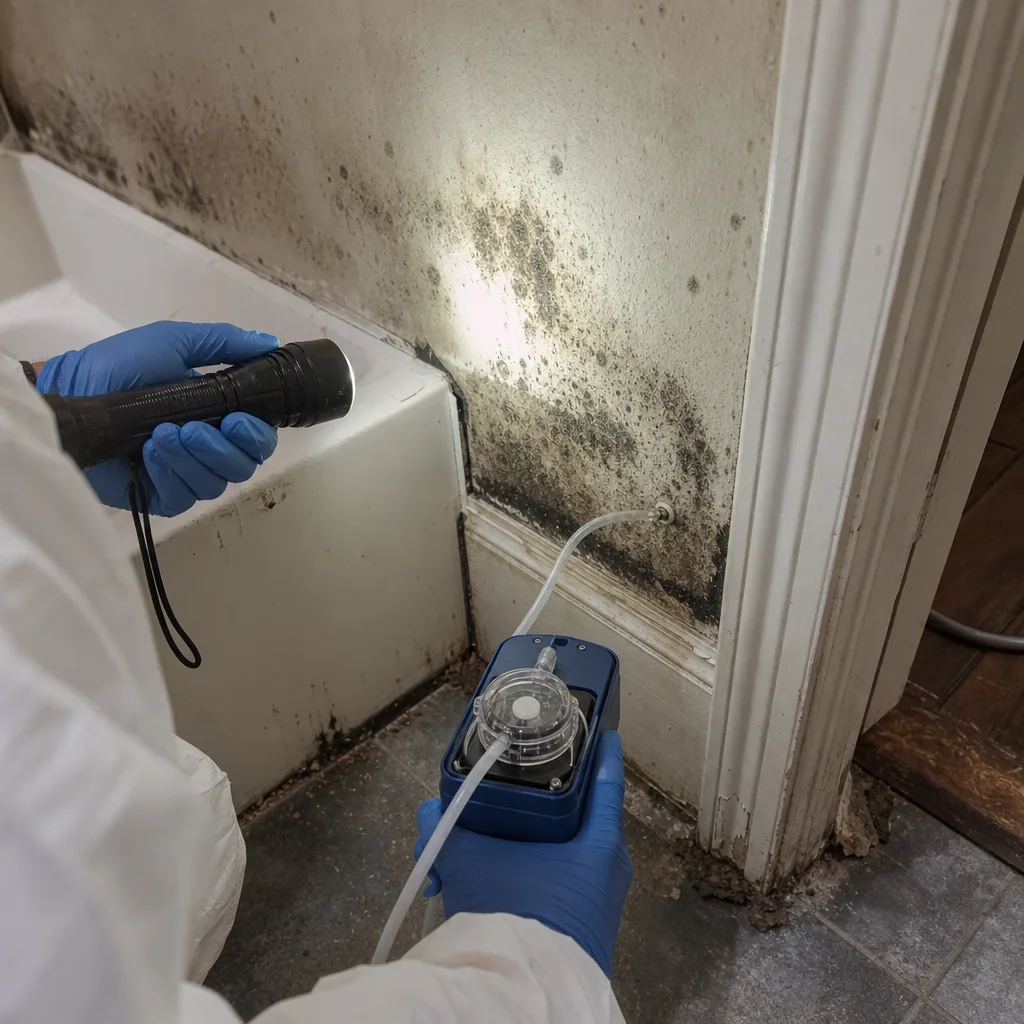
 Fire & smoke cleanup
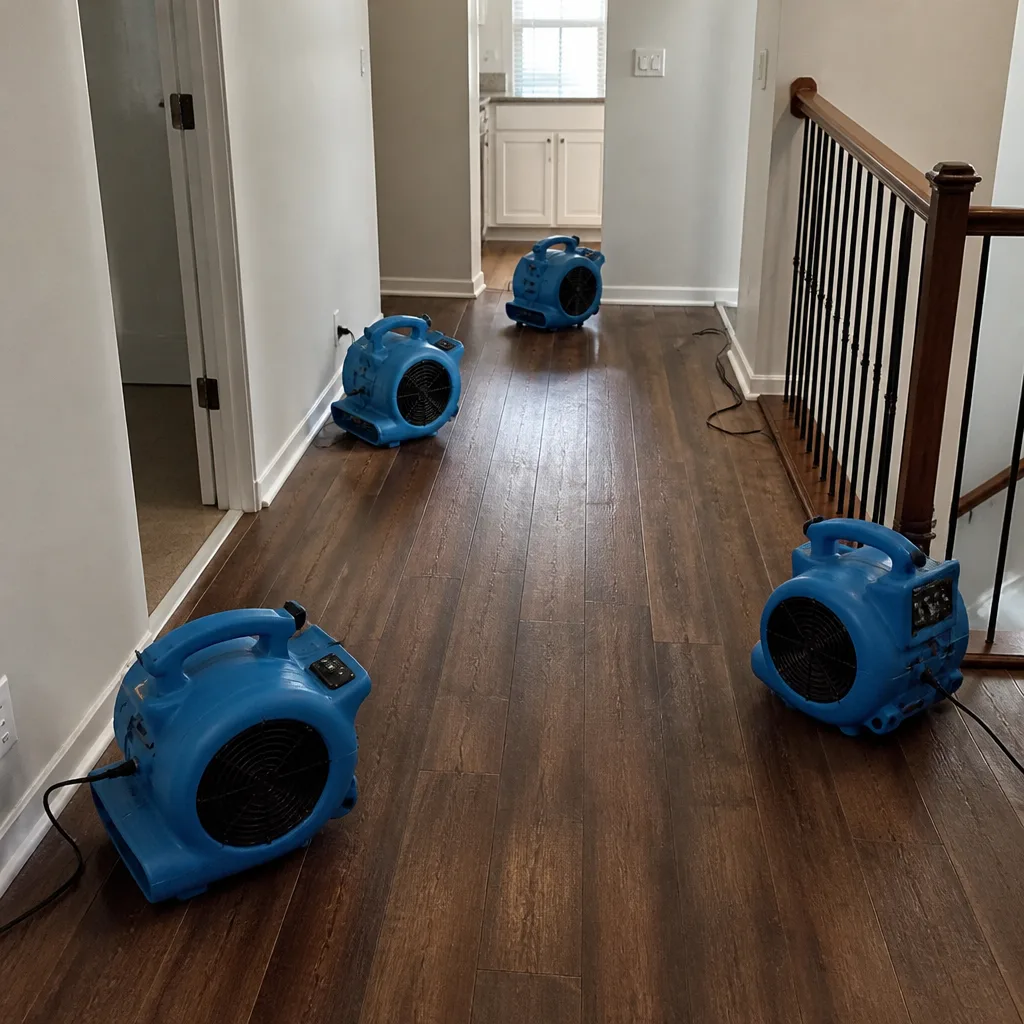 Water damage drying
 Mold remediation
 Storm response
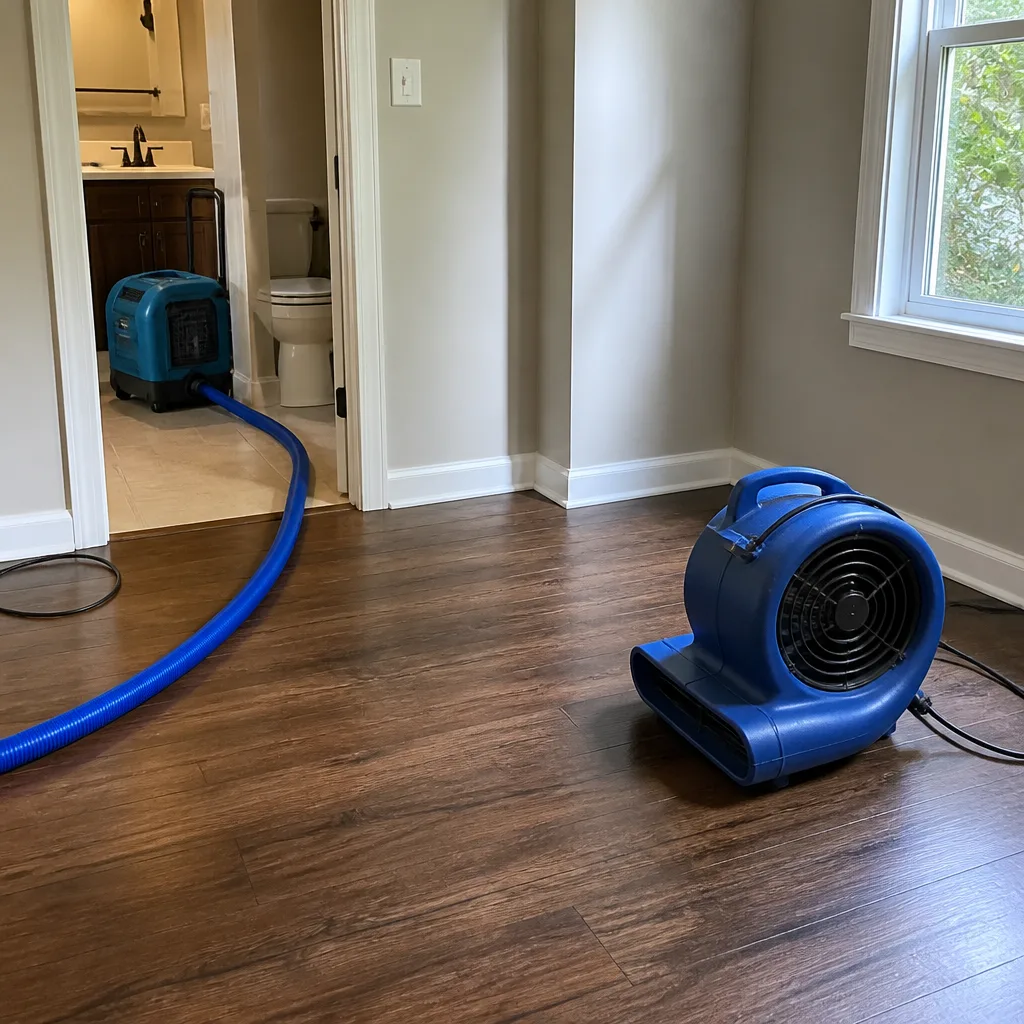 Sewage cleanup
 Reconstruction
Free visual inspection and a written scope of work before any mitigation begins - photos, moisture readings, and drying logs go in your claim file
The scope we write is the scope we bill. Anything new gets shown to you, in writing, before we touch it.
Get your free estimateRestoration work we handle
See the difference
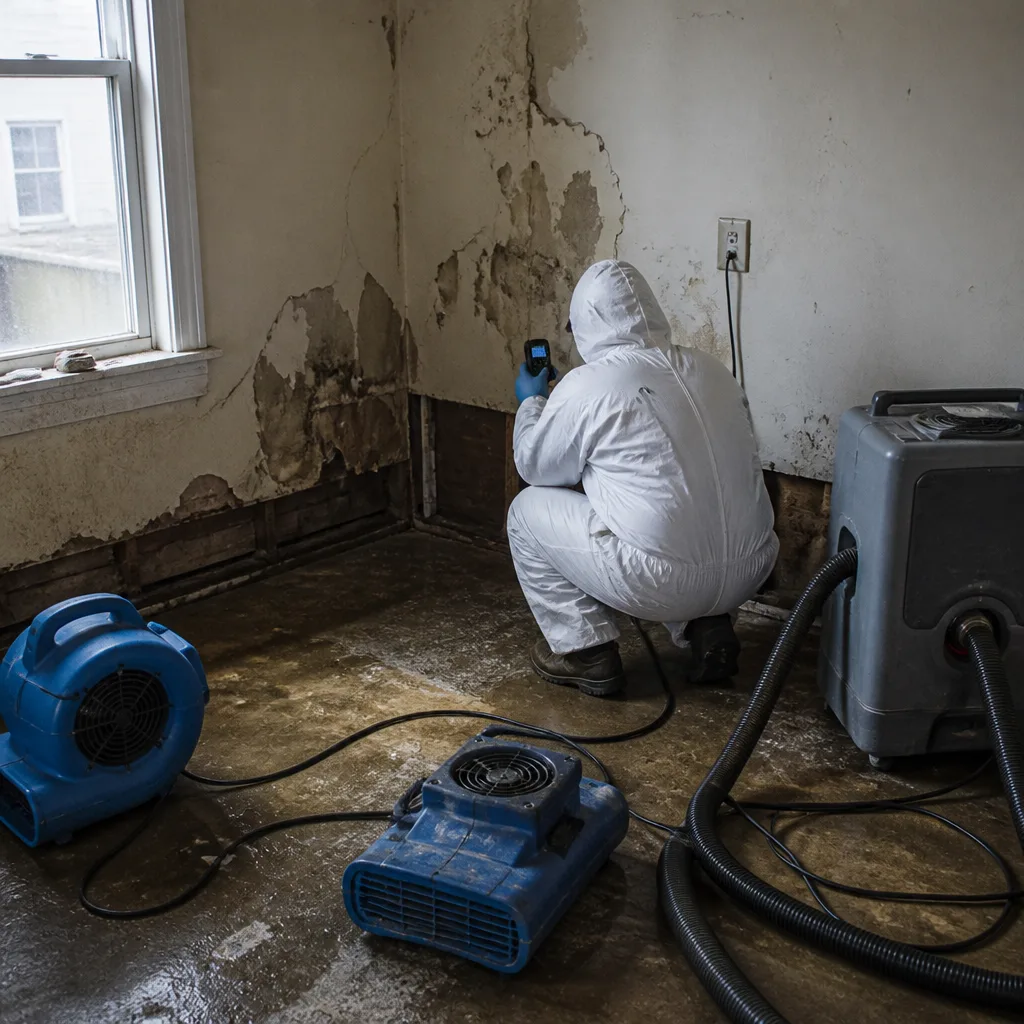 Before
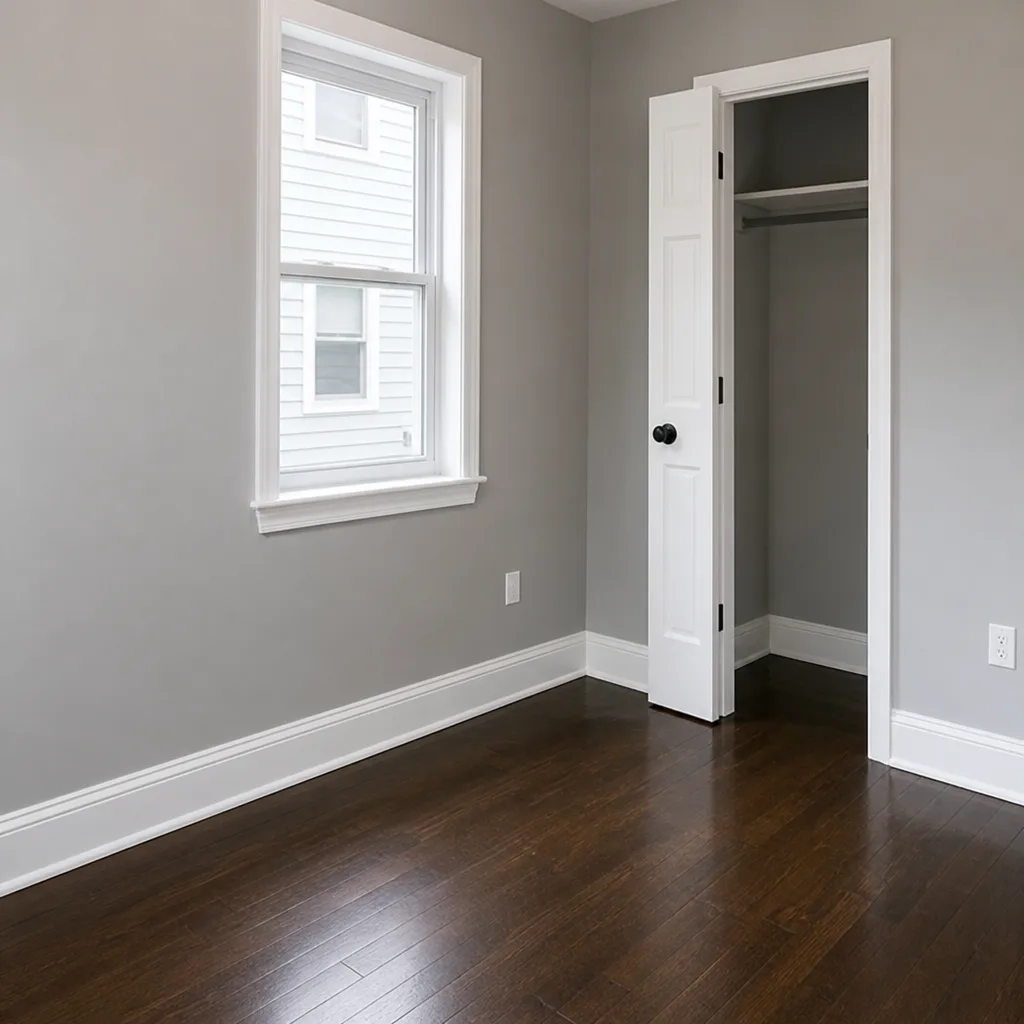 After
After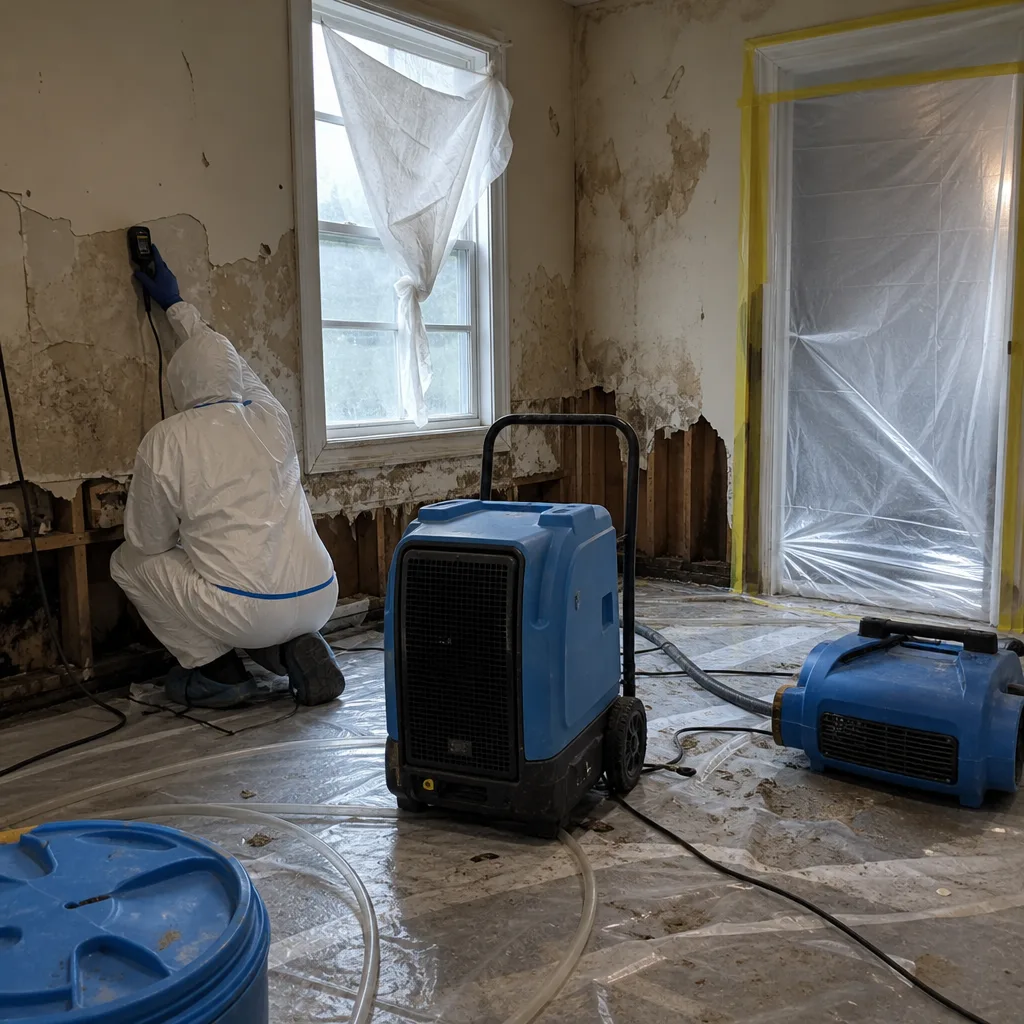 Before
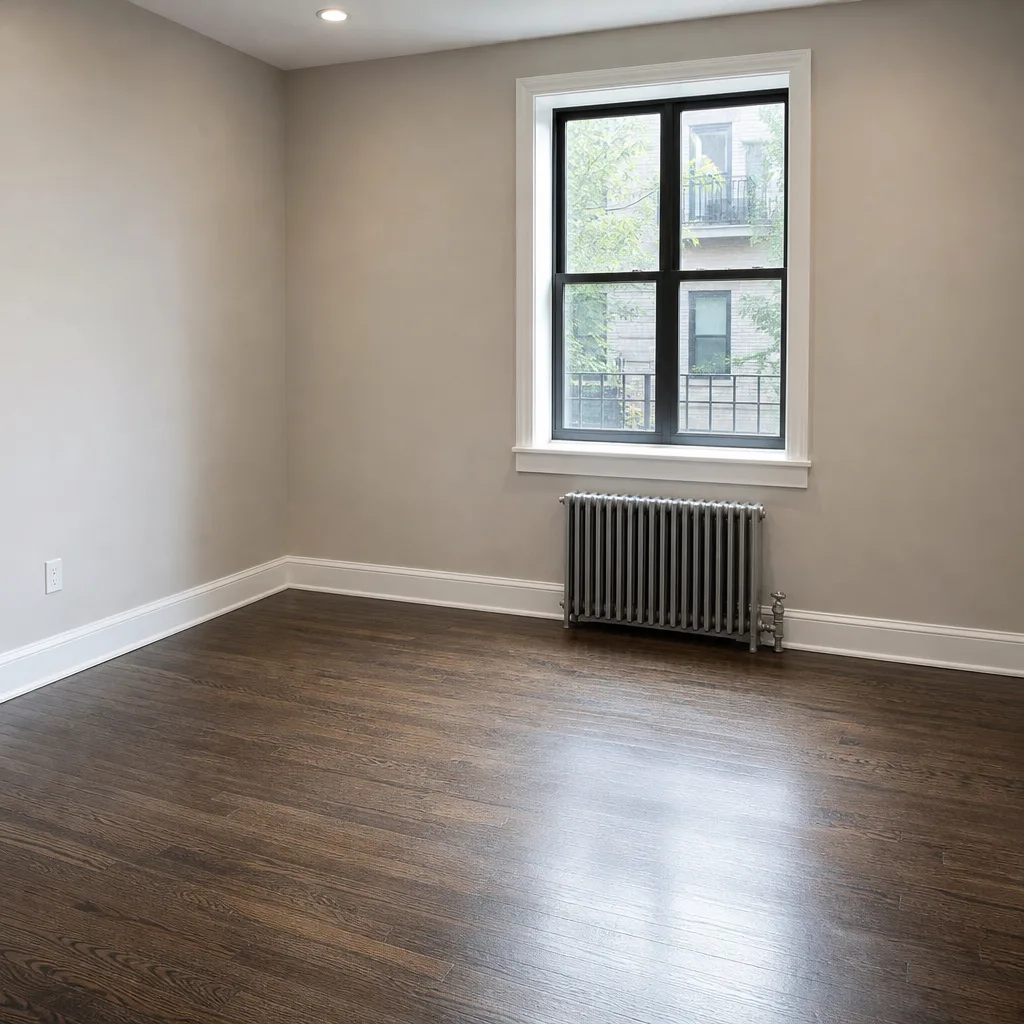 After
After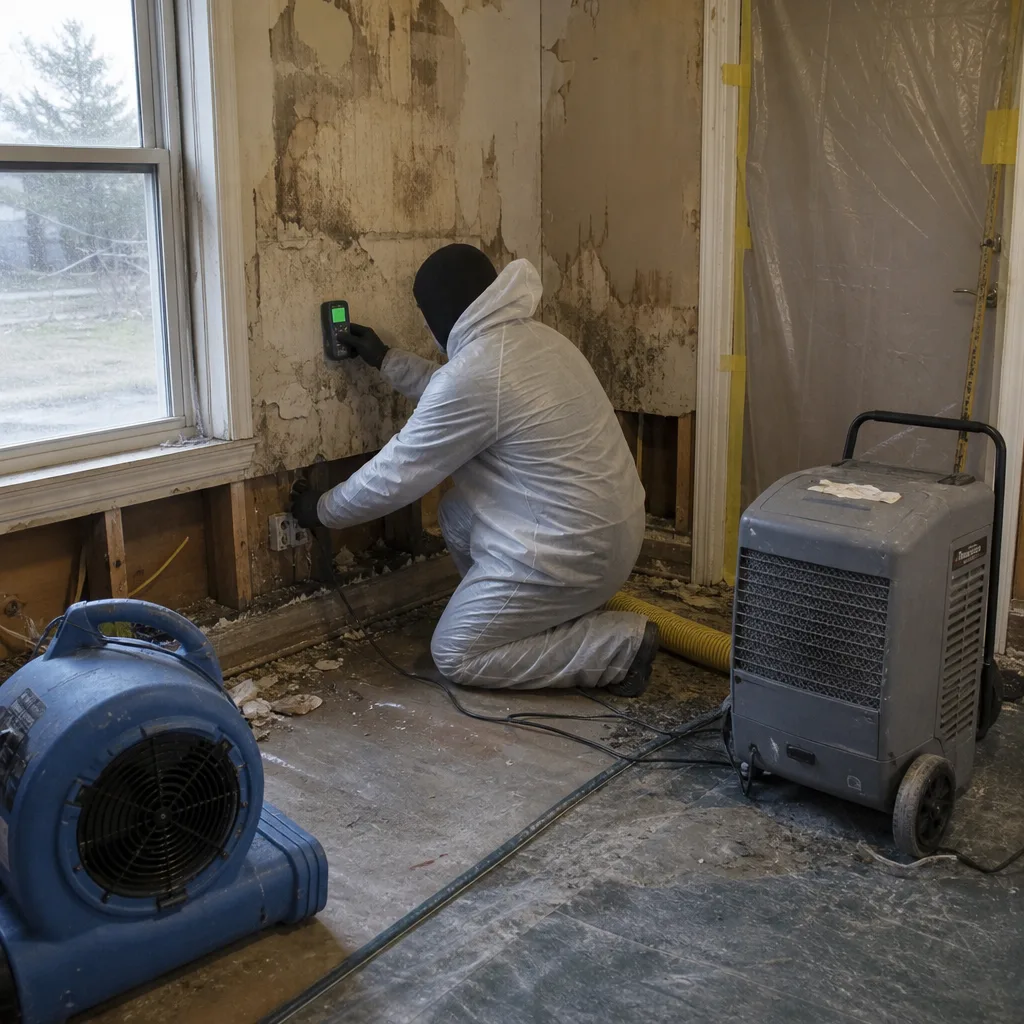 Before
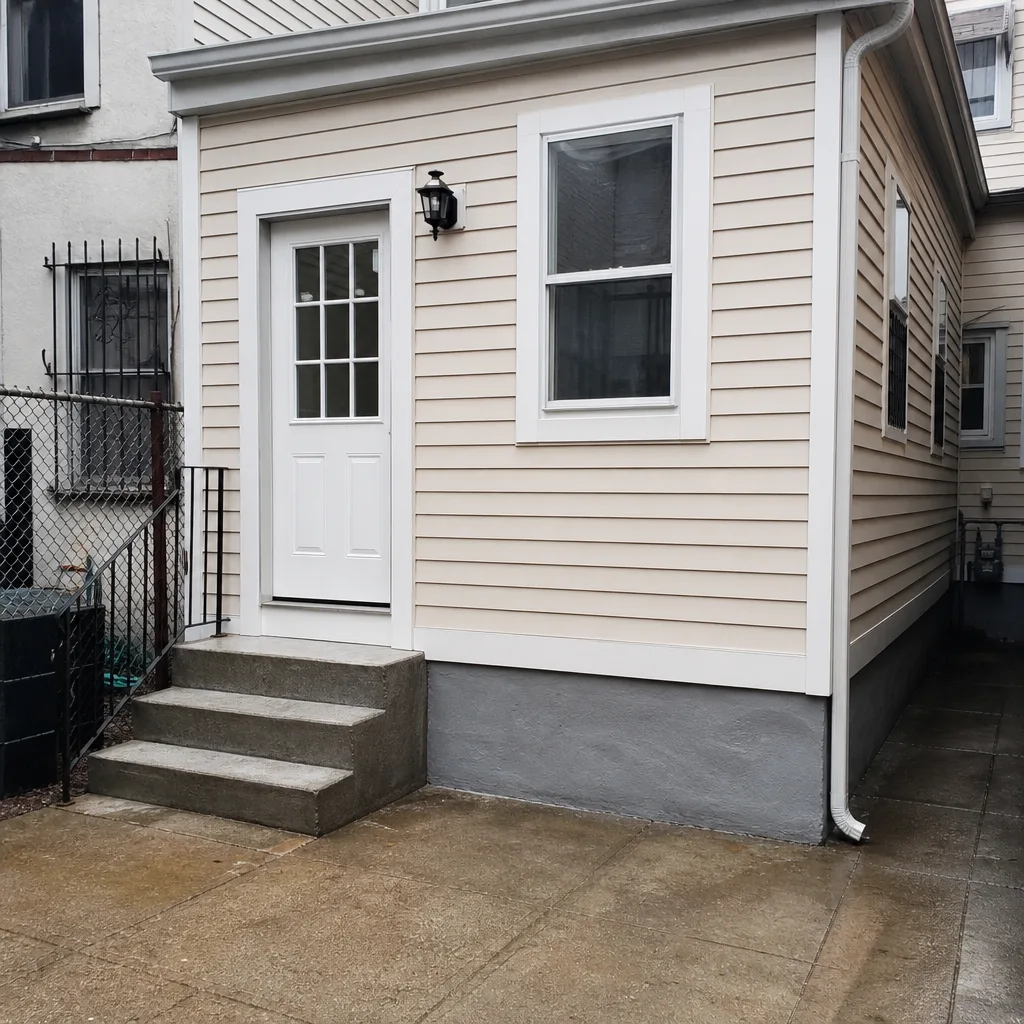 After
AfterHow Much Does Biohazard & Crime Scene Cleanup Cost in Brooklyn?
Biohazard and crime scene cleanup in Brooklyn typically runs between $1,500 and $5,000 for most residential jobs, with smaller contamination events like a single-room blood cleanup starting around $800 and extensive decomposition or hoarding remediation reaching $25,000 or more. The biggest cost drivers are the size of the affected area, the type of biohazard involved, and whether structural materials like flooring or drywall need removal. Our live team at Dryden Restoration Brooklyn can give you a written price before any work starts so the number doesn’t change once our technicians arrive.
Biohazard & Crime Scene Cleanup Cost Breakdown (2026)
Brooklyn’s biohazard cleanup market prices differently than other parts of New York City. Labor rates, disposal fees for regulated medical waste, and the age of the housing stock all move the final number. Here’s what we’re seeing across the borough in 2026:
Typical Brooklyn Pricing by Job Type
| Service | Typical Cost Range | What’s Typically Included |
|---|---|---|
| Blood spill cleanup (single room, minor) | $800 – $1,800 | Surface disinfection, bloodborne pathogen containment, disposal of contaminated porous materials, odor neutralization |
| Unattended death / decomposition cleanup | $3,000 – $12,000 | Full biohazard remediation, structural material removal (drywall, flooring, baseboards), odor elimination, sanitization of surrounding areas |
| Crime scene cleanup (standard residential) | $2,000 – $8,000 | Blood and bodily fluid removal, wall and floor treatments, disposal of contaminated materials, verification of cleanliness |
| Hoarding cleanup with biohazard component | $6,000 – $25,000+ | Debris removal, biohazard disposal (animal waste, spoiled food, bodily fluids), deep sanitization, rodent or insect remediation coordination |
| Meth lab or drug residue decontamination | $10,000 – $30,000+ | Full structural decontamination, porous material removal, air scrubbing, clearance testing |
| Sewage backup / black water contamination | $1,800 – $8,000 | Category 3 water extraction, antimicrobial treatment, flooring and drywall removal, drying with Dri-Eaz and Phoenix professional equipment |
| Tear gas or chemical contamination | $2,500 – $10,000 | Surface decontamination, HVAC filter replacement, air duct cleaning, odor remediation |
| Vehicle biohazard cleanup | $700 – $3,000 | Interior decontamination, upholstery treatment or removal, odor neutralization |
These ranges reflect what Dryden Restoration Brooklyn and other licensed Brooklyn remediation companies charged in the first half of 2026. They’re real numbers from real jobs, not national averages adjusted for the borough. If you’re comparing quotes, ask whether the final figure includes disposal fees, air scrubbing equipment, and post-cleanup verification. Some companies quote low and then bill for those items separately at the end.
What Drives the Price Up or Down
A $1,200 quote and a $4,000 quote for what looks like the same job usually differ in three ways. First, the volume of biological material. A small blood spill on tile costs far less than blood that has soaked into a hardwood floor, because wood is porous and often cannot be fully disinfected without removal. Second, how long the contamination has been present. Decomposition fluids that have sat for days or weeks penetrate subflooring and wall cavities, which means demolition rather than surface cleaning. Third, Brooklyn’s building stock. Much of the borough’s housing was built before 1940. Plaster walls, tongue-and-groove subfloors, and shared building systems in brownstones and pre-war apartment buildings complicate containment and raise disposal volume. A modern drywall room cleans up faster than a plaster-walled bedroom in a Park Slope brownstone.
What Affects Biohazard & Crime Scene Cleanup Pricing in Brooklyn
Here are the factors that actually move your final price, based on what our crews encounter across Brooklyn neighborhoods like Bedford-Stuyvesant, Flatbush, Bay Ridge, Williamsburg, and Gravesend:
- Contamination type and volume. Blood, decomposition fluids, and drug residue are regulated differently. New York State requires specific handling, packaging, and manifesting for regulated medical waste. More biological material means more bags, more disposal weight, and higher fees.
- Square footage of the affected area. You’re not paying for the whole home, only the areas that require containment and decontamination. But a larger affected zone means more labor hours, more cleaning agents, and more equipment like HEPA air scrubbers running longer.
- Whether structural materials must be removed. Porous materials like drywall, carpet, upholstery, and unsealed wood generally cannot be reliably disinfected once saturated. In most Brooklyn homes, that means cutting out affected drywall, pulling flooring, and disposing of it as regulated waste. That labor and dumpster cost typically adds $800 to $3,000 depending on the room size.
- Access and building type. Walk-up apartments, narrow brownstone staircases, and buildings without elevators add labor time. Our technicians carry equipment by hand in many Brooklyn buildings. A third-floor walk-up in Bushwick takes longer than a ground-floor unit in Marine Park.
- Odor that has migrated. Decomposition odor follows HVAC ducts and wall cavities. If the smell has spread to adjacent units or floors, remediation includes sealing off ductwork, running air scrubbers for 24 to 72 hours, and sometimes ozone or hydroxyl treatment. That alone can add $500 to $1,500.
- Post-cleanup verification. Some property owners need documentation for insurance claims, landlord records, or family peace of mind. ATP testing and clearance documentation is an extra line item, typically $150 to $400, and it’s worth asking for if you’re managing a rental property.
One thing that should never move the price is the surprise factor. That’s why our company operates under The Kingswell Way: we put a written price in front of you before any tool touches the floor. The number we give is the number you pay. If the scope grows, we document the change in writing and get your sign-off first. No door-step renegotiation.
Brooklyn-Specific Cost Notes
Brooklyn’s pricing runs slightly higher than Staten Island or parts of Queens for a few practical reasons. Parking and DOT permits for our vehicles and dumpsters cost more in high-density neighborhoods like Downtown Brooklyn and Williamsburg, and those costs are baked into disposal fees. Older housing stock means more lath-and-plaster walls, which produce more demolition debris per square foot. And many Brooklyn buildings have shared walls and shared ventilation, so containment requirements are stricter to protect neighboring units. If you live in a co-op or condo building, the board or managing agent may also require documented cleanup procedures, which adds a layer of paperwork we handle as part of the job.
Does Insurance Cover Biohazard & Crime Scene Cleanup in Brooklyn?
Most homeowners insurance policies cover biohazard remediation when the cause is a covered peril, such as an unattended death, a crime, or a sewage backup. Typical coverage under HO-3 and HO-5 policies ranges from $5,000 to $15,000 for biohazard cleanup, though some policies include it under “debris removal” or “reasonable repairs” provisions with lower sub-limits. Renters insurance often includes a smaller amount. If the biohazard stems from a hoarding situation, coverage is usually denied because it’s classified as a maintenance issue, not a sudden event. The practical takeaway: call your insurance adjuster early and ask specifically about your policy’s biohazard remediation coverage and sub-limits. We work directly with adjusters and can document the job in the format insurers want on the first pass, which reduces the back-and-forth.
For a full picture of how we handle these jobs from first call to final inspection, see our Biohazard & Crime Scene Cleanup in Brooklyn page.
How to Save on Biohazard & Crime Scene Cleanup
You can’t safely DIY this work, and you shouldn’t. But there are legitimate ways to keep costs reasonable without cutting corners on safety:
- Act quickly. The longer blood or decomposition fluids sit, the more they penetrate porous materials. A cleanup that costs $1,800 on day one can become a $6,000 structural removal job by day five. If you’re dealing with this right now, call us. The sooner we assess it, the less demolition is typically required.
- Get a written, itemized quote. Verbal estimates without line items allow the final bill to drift. Ask for the price in writing, itemized by labor, materials, disposal, and equipment. That’s standard practice for us, not an accommodation.
- Avoid renting ozone machines or buying consumer “biohazard” chemicals. They don’t address the actual contamination and often create new air quality problems. You’ll spend money on ineffective products, then still need professional remediation.
- Clear the path before we arrive. If it’s safe to do so, remove personal belongings, furniture, and clutter from the affected area’s entry path. That reduces our labor time and lets us start containment immediately.
- Ask about what’s genuinely necessary. A good company will tell you when a floor can be salvaged rather than replaced. We’ve talked Brooklyn homeowners out of unnecessary demolition more times than we can count. A written price keeps the incentives honest.
Every estimate from Dryden Restoration Brooklyn is free. You can call (607) 399-3439 and speak with a live person, any hour, any day. You’ll get a clear picture of what the job will cost and what it will involve, whether or not you choose us for the work.
Our Biohazard Cleanup Process in Brooklyn
Here’s how a typical biohazard or crime scene cleanup job proceeds with us, step by step.
Step 1: The Call and the Assessment
You call (607) 399-3439. A live person answers, not a voicemail. We ask about the type of incident, the affected area, and the building type. Based on that conversation, we give you a rough range over the phone and schedule an on-site assessment, usually within a few hours for urgent situations.
Step 2: On-Site Walkthrough and Written Quote
A uniformed, background-checked technician arrives at the scheduled time. We assess the affected area, identify what’s salvageable and what needs removal, and produce a written, itemized quote on the spot. You review it, ask questions, and decide. The price we write is the price you pay. No surprises at the end.
Step 3: Containment and Safety Setup
Before any cleaning begins, we seal off the affected area with plastic sheeting and negative air pressure to prevent cross-contamination into other rooms or neighboring units. Our technicians wear full PPE including respirators, gloves, and protective suits. This is standard practice for IICRC-compliant biohazard work.
Step 4: Removal of Contaminated Materials
Porous materials that cannot be reliably disinfected are removed. This includes affected drywall, carpet, padding, upholstered items, and sometimes sections of subfloor. Non-porous surfaces like tile, metal, and sealed hardwood are thoroughly cleaned and disinfected. All removed material is bagged, labeled, and disposed of as regulated waste through licensed haulers, in compliance with New York State regulations.
Step 5: Decontamination and Disinfection
All remaining surfaces are treated with hospital-grade disinfectants registered with the EPA for the specific biohazards involved. We clean walls, floors, ceilings, fixtures, and any belongings that can be salvaged. Air scrubbers with HEPA filtration run throughout the process to capture airborne pathogens and particulates.
Step 6: Odor Elimination and Drying
If decomposition or water damage is involved, we address odor at the source, not with masking agents. That means removing the source material, treating affected cavities, and running professional-grade air treatment until the space smells neutral. We use professional equipment from Dri-Eaz, Phoenix, and XPOWER for moisture and air management, which aligns with IICRC standards.
Step 7: Final Verification and Documentation
We walk you through the finished space. If ATP testing or clearance documentation was requested, results are provided. Photos of the work are available for your insurance claim or property records. And everything we repaired or remediated falls under our 365-Day Done Right Promise: if something fails within a year, we return and correct it at no charge, in writing, every time.
FAQs – Biohazard & Crime Scene Cleanup Cost
Is biohazard cleanup cheaper to do myself?
No. Biohazard cleanup done by a homeowner without proper training, PPE, and disposal access typically costs $300 to $800 in supplies that don’t actually resolve the contamination, then the professional remediation still costs $1,500 to $5,000 on top of that. Blood and decomposition fluids carry bloodborne pathogen risks including hepatitis B, hepatitis C, and HIV. Brookhaven hospitals and urgent cares see avoidable exposure cases every year. This is work that requires regulated waste disposal, which individual homeowners cannot legally arrange through standard trash services. Call (607) 399-3439 for a free estimate before you spend money on consumer products that won’t solve the problem.
How much does unattended death cleanup cost in Brooklyn?
Unattended death cleanup in Brooklyn runs $3,000 to $12,000, depending on how long the person was undiscovered and what surfaces were affected. A case discovered within 24 hours on a tile floor might run near the low end. A case undiscovered for two weeks in a carpeted bedroom with hardwood underneath often runs $7,000 to $12,000 because subfloor replacement and structural treatment are required. We give exact written pricing after an on-site assessment, always before work begins.
How much does hoarding cleanup cost in Brooklyn?
Hoarding cleanup with a biohazard component runs $6,000 to $25,000 or more in Brooklyn, depending on the volume of debris, the size of the unit, the presence of animal waste or spoiled food, and the building’s access constraints. A small one-bedroom apartment with moderate accumulation might run $6,000 to $10,000, while a multi-room house with significant structural damage from waste and pests can exceed $25,000. We coordinate with dumpster permits, NYC sanitation regulations, and building management requirements. Call (607) 399-3439 for a written quote based on your specific situation.
How soon can biohazard cleanup start in Brooklyn?
In emergency situations, our team can typically be on-site in Brooklyn within 2 to 4 hours of your call. For non-urgent jobs, we schedule within 24 to 48 hours with a specific arrival window. The speed matters for cost too: the sooner contamination is addressed, the less likely it is that structural materials need removal. A live person answers at (607) 399-3439 around the clock, so you won’t wait behind an answering service during an emergency.
Do crime scene cleanup companies charge by the hour or by the job?
Most Brooklyn biohazard companies charge by the job with a flat written quote based on scope, not by the hour. Where hourly rates are used, they typically range from $100 to $200 per technician hour, but that structure can create incentives for slower work. We provide a flat, itemized written price before any work starts, so labor hours don’t inflate your bill.
Will my Brooklyn homeowner’s insurance cover biohazard cleanup?
Most homeowner policies in Brooklyn cover $5,000 to $15,000 in biohazard remediation when the cause is a covered peril like a crime scene, suicide, or sewer backup. Exclusions typically apply to hoarding and drug contamination, which insurers classify as maintenance issues. Your policy’s specific sub-limits matter more than the general coverage amount. We document everything in the format insurers require and can communicate directly with your adjuster to streamline the claim.
What should I do while waiting for cleanup to arrive?
Stay out of the affected area, close the door, and leave the space undisturbed. Do not attempt to clean, move contaminated items, or ventilate the area with fans, because that spreads airborne particles. If others live in the home, keep them away from the space. Open windows in unaffected rooms only if odor is the issue. Our team can guide you over the phone while you wait, and we’ll handle everything once we arrive.
Call Dryden Restoration Brooklyn for a Free, Written Estimate
If you’re dealing with a biohazard situation anywhere in Brooklyn, from Coney Island to Greenpoint, you don’t need to figure this out alone. Call (607) 399-3439 and you’ll speak with a live person who knows the process, can answer your questions honestly, and will schedule a visit at a time that works. You’ll get a written price before any work begins, performed by background-checked uniformed technicians using professional equipment, with everything backed by our 365-Day Done Right Promise. See more about how we handle biohazard and crime scene cleanup in Brooklyn, or call now to start the process.
Pricing reflects the Brooklyn market as of 2026. Dryden Restoration Brooklyn offers free estimates – call (607) 399-3439.
Written by Carl Brandt, Owner at Dryden Restoration Brooklyn. Serving Brooklyn and the surrounding boroughs as part of the Kingswell family of independently owned restoration businesses since 2005. Carl has led biohazard and trauma scene remediation teams across New York City for two decades, trained to IICRC, RIA, and IFA standards.
What Our Customers Say
"Dishwasher leaked for who knows how long under the cabinets. They found the hidden moisture, dried it, and treated it so mold wouldn't start. Explained everything and stood behind it in writing."
- Hailey Brennan"Good work on water damage from a roof leak. There was some back and forth getting the final paperwork for insurance, took a few phone calls. But the actual drying and repair were done right."
- Roberto Salas"Roof leak soaked a bedroom ceiling. They dried it, found the wet insulation I'd have missed, and coordinated with my insurance. Kept me in the loop the whole time."
- Alma Reyes