
 Water damage drying
 Fire & smoke cleanup
 Mold remediation
 Storm response
 Sewage cleanup
 Reconstruction
Free visual inspection and a written scope of work before any mitigation begins - photos, moisture readings, and drying logs go in your claim file
The scope we write is the scope we bill. Anything new gets shown to you, in writing, before we touch it.
Get your free estimateFast, Reliable Fire Damage Restoration Across New York
Fire damage restoration in New York typically runs $3,500 – $18,000 depending on square footage, soot penetration, and whether FDNY water saturated plaster or subflooring. Most jobs in Manhattan, Brooklyn, and Queens start with emergency board-up and soot containment within 2 – 4 hours of your call. We’ve worked in New York walk-ups, brownstones, and high-rise co-ops long enough to know that the real problem isn’t always visible at first glance. What looks like a kitchen fire in a prewar apartment off Broadway often means smoldering char behind lath-and-plaster, water in the cavities below, and a co-op board that wants a written scope before anyone touches a freight elevator. Call (607) 399-3439 and a live person answers, day or night.
Why Dryden Restoration Brooklyn Is New York’s Preferred Fire Damage Restoration Company
Homeowners in New York call us because we show up when we say we will and we put the price in writing before a single tool comes off the truck. No door-knock upsells. No “we found more damage once we opened the wall” routine that doubles the bill. Carl Brandt, who leads our New York restoration team, made a rule years ago that every estimate includes a written scope and a dollar figure that doesn’t bend. That’s rare in this trade, and it’s why Park Slope landlords and Kew Gardens homeowners pass our name around.
Our New York crews carry Dri-Eaz dehumidifiers, Injectidry wood-floor drying panels, and negative air machines from B-Air and XPOWER. The same equipment commercial high-rise restoration companies run. But we explain it in plain English: what each machine does, how long it runs, and why it matters for your walls and floors. Every technician who walks through your door wears a Dryden uniform and has passed a background check. When your building’s front desk calls up to confirm who’s arriving, you can answer with confidence.
We also know how buildings in New York actually work. Co-op boards want insurance paperwork, certificates, and scope approvals before work begins. We handle that directly. We’ll coordinate with your adjuster, photograph everything with time stamps, and send the documentation that gets claims processed faster. And we schedule around building rules: freight elevator hours, protected hallway runners, and the doorman’s logbook. This is New York. We’re not surprised by any of it.
Restoration work we handle
Fire and Water Damage Restoration in New York
Fire and Water Damage Restoration in New York almost always means dealing with both at once. The fire itself does the visible damage, but the FDNY response dumps hundreds of gallons of water into your apartment, your walls, and the units below you. In a prewar building on the Upper West Side, that water moves through original cast-iron pipe chases and settles into lath-and-plaster cavities behind walls that look structurally fine. Composite crews trained to IICRC, RIA, and IFA standards map that moisture before they touch a visible surface.
What New York Fire and Water Work Involves
The first step is always containment. Soot and char spread fast through shared stairwells if you start tearing out plaster without negative air pressure in place. Our crews seal the damaged unit, run air scrubbers, and test relative humidity with penetrating probes that read moisture through 120-year-old plaster. Then we dry what’s salvageable with Injectidry panels on original wood floors and Dri-Eaz dehumidifiers sized for the room’s cubic footage. In New York, Fire and Water Damage Restoration usually runs $4,000 – $14,000 for a typical one-bedroom fire with cat-3 water from fire suppression.
When a Co-op or Condo Board Changes the Job
If you live in a New York co-op, the building’s management company will almost always require a written scope of work before restoration begins. They want to know who’s coming, what equipment comes through their lobby, and how we’ll protect common areas. We’re used to this. We provide the scope, the certificate of insurance, and the timeline, then we work around the building’s freight elevator schedule. It adds a layer of coordination but protects every owner in the building, and we’ve done enough of these jobs to manage it efficiently.
Soot Removal in New York
Soot Removal in New York homes is not a wipe-down job. Soot from a kitchen or electrical fire penetrates porous surfaces: original plaster, unpainted brick, wood grain, and fabric. In a prewar brownstone, the walls are often lime-based plaster with decades of paint layers, and soot works its way into every hairline crack. Standard cleaning compounds simply smear it. We use dry sponge and HEPA vacuum methods certified under IICRC standards, then follow with specialized degreasers for protein-based soot from cooking fires. For a typical New York kitchen fire, soot removal across walls, ceilings, and contents runs $1,800 – $5,500.
Soot in Shared Walls and Chimney Flues
Many New York buildings, especially those built before 1930, share chimney flues between adjacent units. We’ve seen cases in Queens where soot from one unit’s fire traveled through a party wall chimney chase and discolored the neighbor’s living room ceiling. Proper Soot Removal in these buildings means inspecting the flue path, sealing the shared penetrations, and running air scrubbers long enough to pull particulate down to safe levels. It’s not enough to clean what you can see. We test the air and the wall cavities before we call a job done.
Why You Can’t Just Paint Over It
Painting over soot without proper removal is a common shortcut, and it fails every time in New York’s humid summers. Soot bleeding through fresh paint, persistent odor returning in July, or a yellow-brown stain appearing on a white ceiling weeks after “repairs” are all signs of incomplete soot removal. The underlying residue is still there, off-gassing when humidity climbs. Proper Soot Removal gets down to the substrate, neutralizes the residue, and only then does anything get primed and repainted.
Trusted Brands We Service in New York
The equipment we run on New York job sites is the same gear national commercial crews trust: Dri-Eaz for structural drying, Injectidry for hardwood floor drying mats, B-Air for air movement, and XPOWER for high-capacity air scrubbers. We stock parts and consumables locally in New York, which means when a dehumidifier compressor fails on day four of a drying job, we don’t wait three days for a shipment from out of state. Most swaps happen same-day, because our New York facility carries what these machines need. That’s not a marketing line. It’s the difference between a 5-day dry-down and a 9-day one, especially in a windowless prewar kitchen with no cross-ventilation.
Common Fire Damage Restoration Problems We See in New York Homes
- Hidden char in lath-and-plaster walls. A fire can smolder behind an intact plaster surface for hours. If you don’t strip back to the lath and inspect each stud bay, you’re leaving an ignition source inside the wall. We probe with thermal imaging before we declare a wall structure sound.
- Soot contamination in shared stairwells from uncontained demo. In a Brooklyn brownstone or a Queens co-op, tearing out charred plaster without negative air containment sends fine black particulate into common areas. The building’s managing agent will hold you responsible, and the cleanup for neighboring units becomes a separate, larger job.
- Categories of water trapped behind century-old plaster. FDNY suppression water in a Manhattan high-rise is Category 3: heavily contaminated, full of debris and whatever the fire mobilized. Behind thick plaster against a brick party wall, that water feeds mold within 24 to 48 hours. We map it with penetrating meters, not guesswork.
- Elevator and access constraints affecting equipment placement. Walk-up buildings without freight elevators in neighborhoods like Woodside or Park Slope mean every piece of equipment is hand-carried up narrow stairs. We’re used to it, but it changes how we size drying equipment and how long setup takes. It’s one reason you want a crew that’s worked New York buildings before.
See the difference
 Before
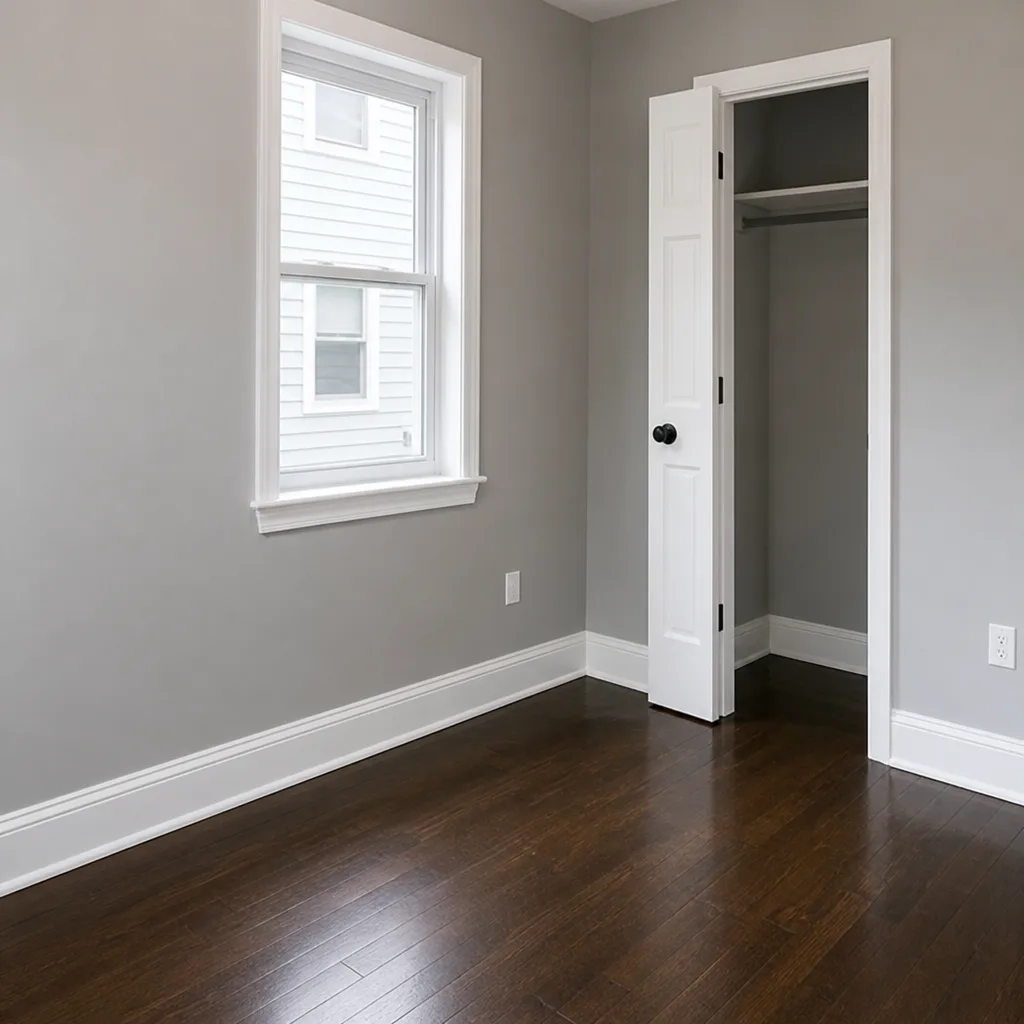 After
After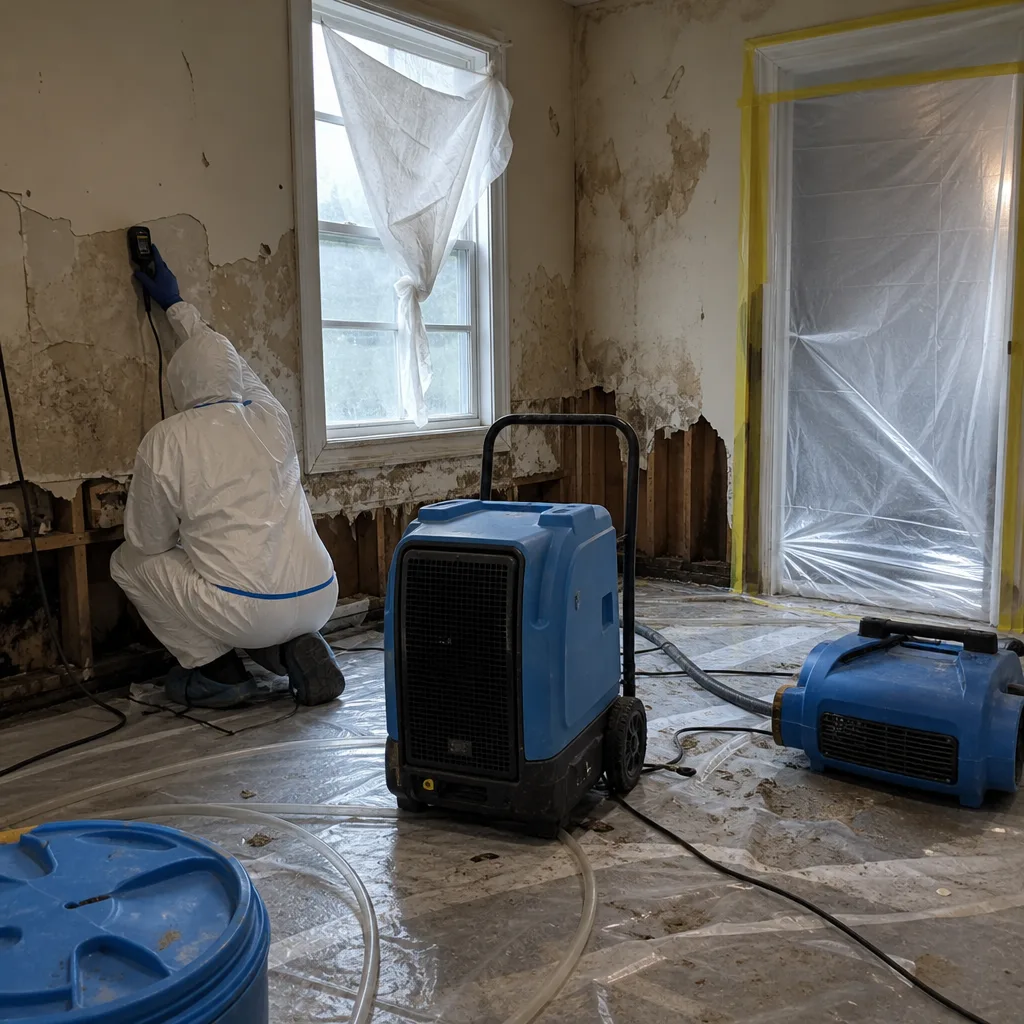 Before
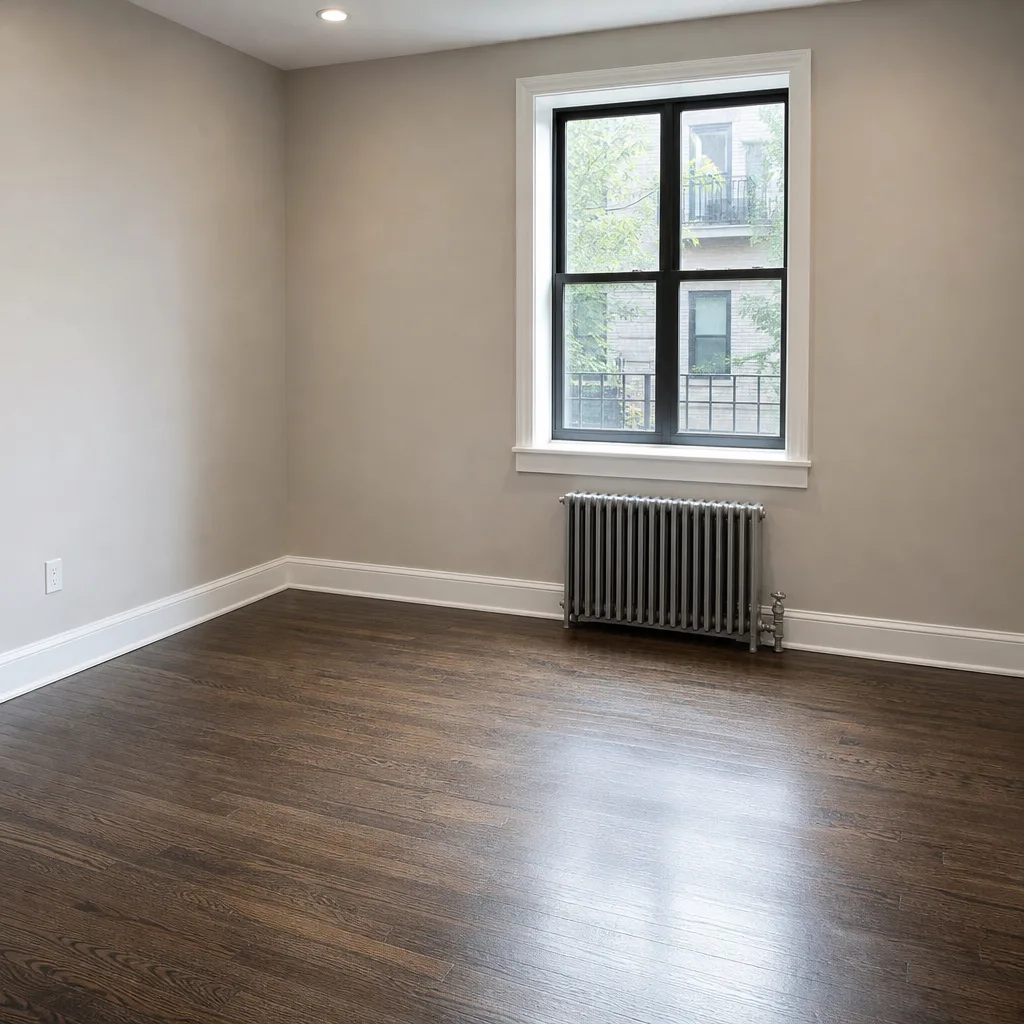 After
After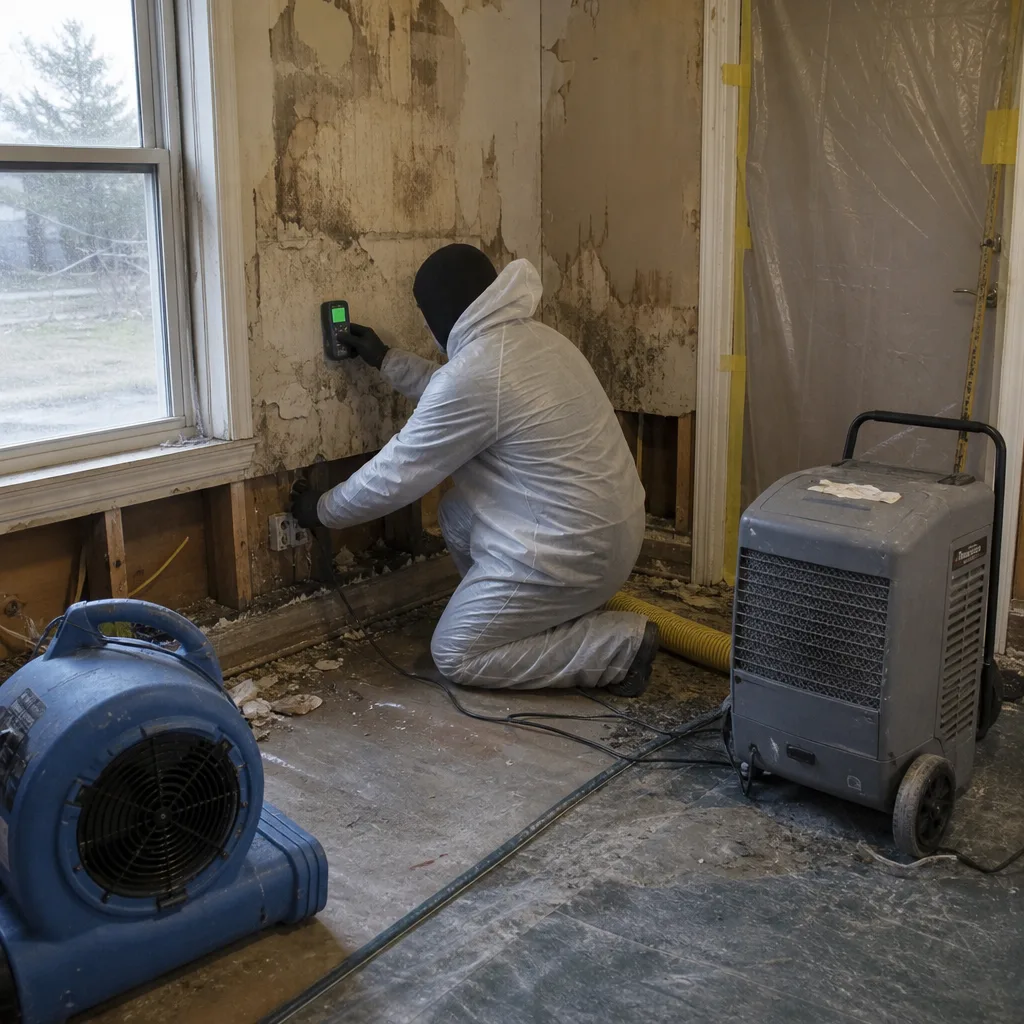 Before
 After
AfterPricing for Fire Damage Restoration in New York, NY
Here’s honest New York pricing, not vague ranges that hide the real number. Emergency board-up and tarping: $650 – $1,600 depending on window count and access. Soot removal and cleaning for a one-bedroom unit: $1,800 – $5,500. Fire and water damage restoration for a typical prewar apartment with lath-and-plaster walls and wood floors: $4,000 – $14,000. Structural fire repair, including framing, drywall or plaster restoration, and painting: $8,000 – $22,000. Smoke odor removal with hydroxyl or ozone treatment in a single unit: $900 – $2,800. These are New York market figures based on what we’ve actually billed on jobs like yours in the last three years. Every estimate is free, in writing, and it does not change at the door. Call (607) 399-3439 for the exact number.
We Also Serve Cities Near New York
Our Fire Damage Restoration crews work throughout the five boroughs and nearby neighborhoods. We regularly handle jobs in Brooklyn, Sunnyside, Woodside, and Howard Beach, with the same written price guarantee and the same equipment. If you’re anywhere in New York or the surrounding area, call us and we’ll give you a straight answer about response time and scope.
Serving New York, NY - Our Local Coverage Area
We’re based in the New York area and know this community well. Use the map below to see our service coverage - if you’re nearby, we can almost certainly help.
FAQs About Fire Damage Restoration in New York
We seal the shared flue penetrations, run HEPA air scrubbers in negative pressure, and clean both the visible soot and the flue interior where particulate has traveled. Shared flues in prewar buildings mean soot from your fire can migrate into a neighbor’s unit, so we inspect the flue path and coordinate with the building’s managing agent before closing walls. Call (607) 399-3439 and we’ll walk you through what your building’s flue configuration means for your job.
Yes. FDNY suppression water is Category 3 by IICRC standards: it carries debris, soot, and whatever the fire mobilized, and it sat in the apartment for hours before the fire was out. Any porous surface it touched, including plaster, wood floors, and subflooring, requires professional drying and either sanitization or removal. We treat every New York high-rise fire as a Category 3 water event, even if the visible water is gone by the time we arrive.
Co-op boards require a written scope because the fire and water in one unit affect the building’s structure, common areas, and neighboring shareholders. The board wants to know what we’re doing, what equipment we’re bringing through the lobby, and how long the job takes. We provide the scope, certificate of insurance, and schedule before work begins, then handle freight-elevator reservations and hallway protection as part of the job. It protects you from liability and keeps the building moving.
Usually, yes, if we catch the moisture within the first few days. We use Injectidry panels and penetrating moisture meters to dry original plank floors in place, even when they’re saturated with FDNY water. Wood floors that have burned or warped beyond salvage are section-matched and replaced, but drying in place is always our first move. Call (607) 399-3439 and we’ll assess your floors with meters, not guesswork.
We hand-carry every item, one box at a time, and document each piece with photographs before it leaves the unit. Walk-ups in neighborhoods like Sunnyside and Woodside have narrow stairwells and tight landings, so pack-out takes longer and costs more per hour than a freight-elevator building. We’ll give you that honest number in writing before we start moving anything. It’s slower work, but it’s how you protect what’s left.
Fire Damage Restoration That Works in New York Buildings
Here’s what most national fire restoration companies don’t tell you. In New York City, the building is part of the job. A 120-year-old brownstone in Park Slope off 7th Avenue doesn’t act like a suburban tract house with drywall and a two-car garage. The walls are lath-and-plaster over brick. The floors are original pine, laid directly on joists. The entry is a narrow stoop, and there’s no freight elevator to bring equipment up. A kitchen fire in that building left soot packed into original wall cavities and FDNY water saturating the subfloor. Our crew ran containment with negative air movers and a Dri-Eaz dehumidifier, mapped moisture through 120-year-old plaster with penetrating probes, and dried the original subfloor with Injectidry panels before pack-out. It took longer than a drywall rebuild would have, but the owner kept floors that would have been ripped out by any other crew, and we met the co-op board’s freight-elevator schedule in the process.
That’s New York reality. Prewar lath-and-plaster walls hide smoldering embers and structural charring behind surfaces that look intact. Co-op and condo boards in Manhattan and Brooklyn often mandate using freight elevators and protecting hallway carpets during pack-out, conditions that don’t exist in neighboring suburban towns with drywall construction and direct garage access. If you’re in a co-op or condo, your restoration contractor either knows how to work with your building’s rules or your claim stalls. We know. Carl Brandt has run New York damage restoration jobs since our founding in 2005, and our crews work IICRC, RIA, and IFA standards on every job. The Kingswell Way applies here too: Say the price before the work. Show up in the window we gave. Leave the place cleaner than we found it. Put the guarantee in writing. Come back if it fails.
If you’ve had a fire in New York, call (607) 399-3439. You’ll get a person on the phone, a written price before anything starts, and a 365-Day Done Right Promise in writing. If a covered repair fails within a year, we come back and fix it at no charge. That’s the guarantee, and it’s been the same since day one.
Written by Carl Brandt, Owner at Dryden Restoration Brooklyn, serving New York since 2005.