
Last updated October 16, 2026
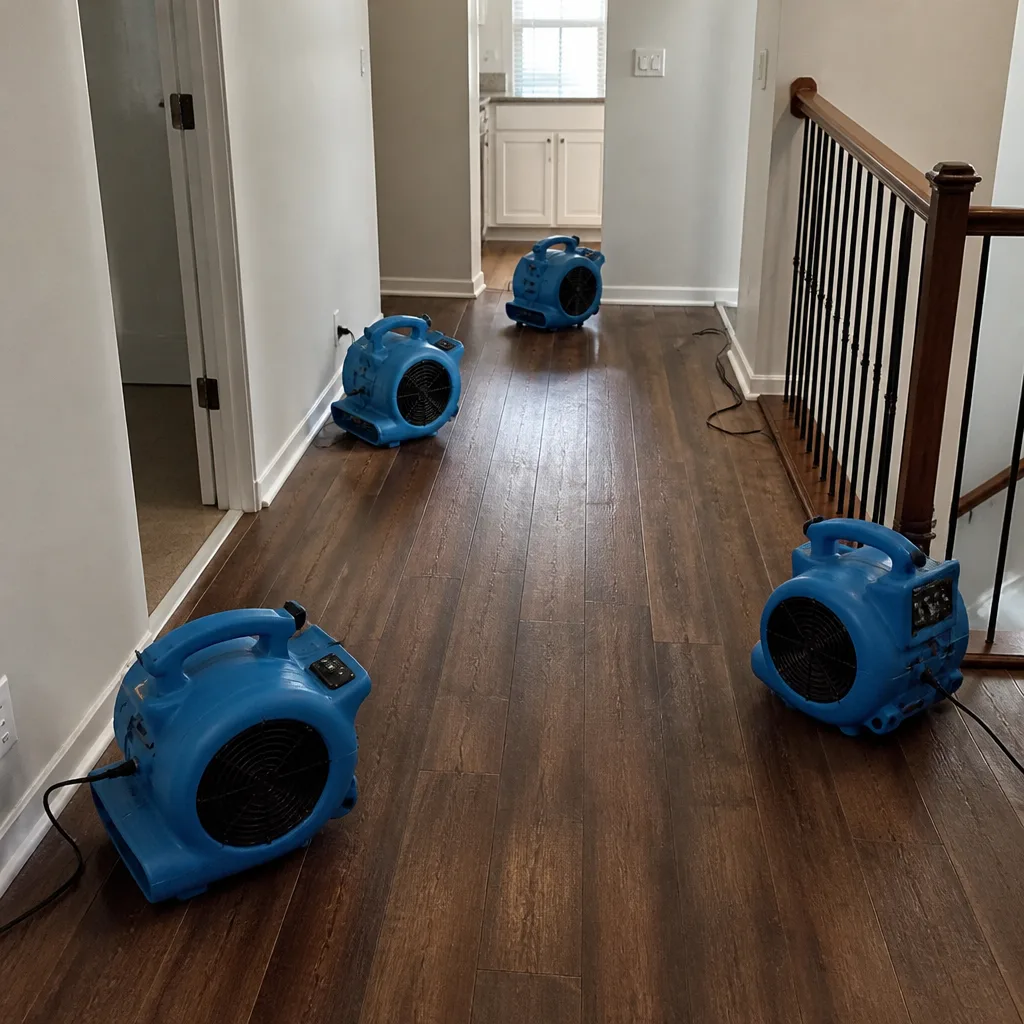 Water damage drying
 Fire & smoke cleanup
 Mold remediation
 Storm response
 Sewage cleanup
 Reconstruction
Free visual inspection and a written scope of work before any mitigation begins - photos, moisture readings, and drying logs go in your claim file
The scope we write is the scope we bill. Anything new gets shown to you, in writing, before we touch it.
Get your free estimateDamage Restoration Permits, Codes & Inspections in NY: What You Need to Know
Here’s a fact most Brooklyn homeowners only learn when it’s too late: the water damage repair you did after that 2019 storm can come back to haunt you at the closing table. A homeowner in Flatbush found this out the hard way when unpermitted structural repairs made after a flood flagged an open violation on the NYC Department of Buildings’ (DOB) Buildings Information System. The buyer’s attorney caught it during title search, and the seller had to escrow $18,000 just to get the deal to close. This guide explains exactly when restoration work requires a permit in New York City, what those permits cost, how to check your property’s permit history before work begins, and how to avoid the violation that stalls real estate transactions. For related reading, see our Damage Restoration Warning Signs: A Brooklyn Homeowner’s Reference Guide. If you’re planning water, fire, or mold remediation in Brooklyn, this is the information most contractors won’t volunteer.
Quick Answer
Most structural, electrical, and plumbing restoration work in Brooklyn requires an NYC DOB permit, while cosmetic repairs and surface-level cleaning generally do not. Permit costs for common restoration scopes typically range from $100 to $400 in filing fees plus expediting costs, and the DOB’s Buildings Information System lets any homeowner check their property’s permit and violation history for free in about ten minutes. Skipping a required permit can void portions of your homeowners insurance coverage and create an open violation that blocks a future sale or refinance.
Restoration work we handle
Table of Contents
- When Restoration Work Triggers a Permit in Brooklyn
- Restoration Work That Does Not Require a Permit
- How to Search the DOB Buildings Information System Before Work Begins
- Landmark Preservation Commission Rules for Brownstones and Rowhouses
- The Insurance Gap: Unpermitted Repairs and Your Policy
- Realistic Permit Costs and Processing Timelines for Restoration Work
- Common Mistakes to Avoid
When Restoration Work Triggers a Permit in Brooklyn
The NYC DOB requires permits for three restoration work categories: structural, electrical, and plumbing. That sounds simple, but the line between what counts as “structural” and what’s considered cosmetic is where most Brooklyn homeowners get into trouble. Here’s the plain-English breakdown.
Structural work that always requires a permit
- Replacing load-bearing walls or beams after fire or water damage. If a wall is holding up the floor above it, any repair to that wall needs a DOB permit, period.
- Rebuilding floor joists or roof rafters that were compromised by water, fire, or mold. Joist repair is structural, no matter how small the affected area looks.
- Foundation work of any kind, including crack injection, underpinning, or partial replacement after a flood or sewer backup.
- Staircase replacement or repair if the stringers (the diagonal supports under the treads) are damaged. Tread replacement alone may not trigger a permit, but stringer repair does.
- Enlarging or moving any opening in a wall, including doorways and windows. Restoration that changes the size or location of an opening is treated as new construction by the DOB.
- Roof deck replacement when more than 25% of the decking is being replaced. A few sheets of plywood? Fine. Most of the roof? Permitted.
Electrical work that always requires a permit
Water and fire damage frequently compromise wiring, and any electrical work beyond a simple fixture swap requires an electrical permit filed by a New York City licensed electrician. This includes replacing damaged wiring, installing new circuits, upgrading a panel, or rewiring a room. The DOB does not allow homeowners to self-perform electrical work in residential properties, with narrow exceptions for owner-occupied single-family homes doing very limited tasks like replacing an outlet or switch. If the water made it into your walls and the wiring got wet, assume the electrician is pulling a permit. A licensed electrician’s name and license number go on the filing, which is a good thing: it means the work is documented and the responsibility is clear.
Plumbing work that always requires a permit
Sewage backups, burst pipes, and slab leaks often require replacing piping, and that’s plumber-permitted work in New York City. Replacing a section of waste line, relocating a drain, installing new supply lines, or replacing a water heater all require a plumbing permit filed by a New York City licensed master plumber. Like electrical permits, the licensed plumber’s name goes on the filing. The permit is not optional, and any plumber who says “we don’t need a permit for this” on a job that clearly involves new piping is cutting a corner you’ll pay for later.
Fire restoration permitting: what’s different
Fire damage restoration in Brooklyn carries a higher permit threshold than water or mold work because smoke and heat damage often compromises structural members that look fine from the outside. Charred joists, heat-damaged steel connectors, and compromised roof framing are all structural and all require permits. Additionally, if the fire department’s investigation or the restoration scope involves any gas line work, that falls under the plumbing permit category, but with additional DOB gas authorization requirements. We recommend every fire restoration job in Brooklyn start with a structural assessment from a licensed engineer, because the DOB will ask for an engineering report on any fire-damaged structural repair anyway. If you’re weighing whether to handle restoration yourself or hire professionals, our DIY vs Professional Damage Restoration: The Brooklyn Homeowner’s Decision Guide can help you decide. That report becomes part of the permit application and the permanent DOB record for the property.
Restoration Work That Does Not Require a Permit
Not everything you’ll need after a flood or fire requires a DOB permit, and knowing the difference can save you real money and time. Here’s where the line is drawn in Brooklyn.
No permit needed for these common restoration scopes
- Demolition of non-structural finishes: removing drywall, baseboards, flooring, and ceiling tiles. If you’re stripping a flooded basement down to the studs and the studs themselves are fine, that’s no-permit demolition.
- Drying, dehumidification, and mold remediation when the structural framing is not being replaced. Running Dri-Eaz dehumidifiers, pulling wet insulation, and treating surface mold do not require DOB permits. This is true even for large-scale water extraction jobs.
- Replacing like-for-like finishes: new drywall over existing framing, new flooring over an existing subfloor, paint, trim, and cabinet replacement. Replacing a damaged window with an identically sized window in the same opening is also permit-free in most cases.
- Roof patching of less than 25% of the roof deck when the roof membrane is being repaired, not replaced. A patch job after a storm is no-permit; a full roof replacement on a Brooklyn rowhouse usually is.
- Exterior pointing and brick repointing on non-landmarked properties, as long as the wall structure itself is sound and the work is cosmetic.
- Cleaning, sealing, and painting of any surface, including after mold remediation, smoke damage, or water staining.
- Insulation replacement in wall cavities, whenever the framing is intact and accessible. Pulling wet fiberglass and installing new batts? No permit. This is a very common part of water damage restoration in Brooklyn.
The trap: “like-for-like” language
Here’s where homeowners get burned. The DOB uses “like-for-like” and “in-kind” language in its rules, and contractors sometimes stretch those terms to cover work that really should be permitted. Replacing a load-bearing beam with a beam of identical size and material? That’s arguably like-for-like, but the DOB still wants a structural permit because the building’s integrity depends on the connection details, not just the beam size. Replacing a window with the same rough opening size? No permit. Changing the opening by two inches? Permit. When in doubt, ask your contractor to put the permit determination in writing, with the specific DOB code section cited. A good contractor will show you the rule; a bad one will wave their hand and say “don’t worry about it.”
How to Search the DOB Buildings Information System Before Work Begins
This is the ten-minute step most contractors don’t mention, and it’s the single best thing you can do for yourself before any restoration work starts in Brooklyn. The DOB’s Buildings Information System (BIS) is a free, public database of every permit, violation, complaint, and inspection on every building in New York City. Here’s how to use it.
Step-by-step: checking your Brooklyn property before restoration work
- Find your BBL. Go to the DOB’s BIS website and search by address. Every property in Brooklyn has a unique Borough-Block-Lot (BBL) number. The address search will show it to you.
- Pull the “Job Filings” list. This shows every permit application ever filed on the property, including from previous owners. Look for any open applications or permits issued for work you didn’t know about.
- Pull the “Violations” list. This is the critical one. Any open violation, from any previous work, will appear here. Unpermitted work from a previous owner is often sitting here as an open violation, waiting for a future title search to find it.
- Pull the “Complaints” list. Neighbor complaints, DOB-issued summonses, and stop-work orders appear here. A past stop-work order is a red flag for unpermitted work, even if the violation was later resolved.
- Check the Certificate of Occupancy. The C of O shows the legal use and configuration of the building. If a previous owner did restoration work that changed the layout without updating the C of O, that’s an open issue the DOB can flag.
- Print or screenshot everything. This documentation becomes part of your project file. If work was done unpermitted in the past, you want to know about it before you add your own restoration work on top.
Why this matters in practice
In our experience working in Brooklyn, we’ve seen dozens of cases where a homeowner inherited an open violation from a previous owner’s unpermitted repair and had no idea until they tried to sell or refinance. The Flatbush escrow case is not rare, and the $18,000 figure is not unusually high for resolving an open structural violation. The BIS search takes ten minutes and costs nothing. The alternative is discovering the problem at the title search stage, when your leverage is zero and the clock is running on a purchase contract.
What to do if you find an open violation before starting your restoration work
First, don’t panic. An open violation is a problem, but it’s solvable. The path is: identify the violation number, determine what work is required to resolve it, hire a New York State licensed professional engineer or registered architect to file the appropriate paperwork with the DOB, complete the required work with permits, and then have the violation cleared through a DOB inspection. That’s a month or more of process, and it adds cost, but it’s a tenth of the cost of resolving it under closing pressure. If you find an open violation on a property you already own, resolve it now, on your timeline, not the buyer’s. If you’re buying, make open violations a contract contingency before you sign. This is exactly the kind of thing we help homeowners with during mold remediation in Brooklyn, because we’re often the first ones to discover the unpermitted work hiding behind a moldy wall.
Landmark Preservation Commission Rules for Brownstones and Rowhouses
Brooklyn has more designated historic districts than any other borough: Park Slope, Brooklyn Heights, Fort Greene, Clinton Hill, Cobble Hill, Boerum Hill, and parts of Bed-Stuy, Crown Heights, and Ditmas Park all fall within LPC-regulated districts. If your brownstone or rowhouse sits in one of these districts, you have a second permit layer that most homeowners don’t know about until a violation letter arrives.
What the LPC regulates in restoration work
- Exterior alterations of any kind: new windows, door replacement, cornice work, roof replacement, and repointing all require LPC review if the work changes the building’s exterior appearance.
- Material changes: replacing a wood cornice with aluminum, swapping slate for asphalt shingles, or changing window muntin profiles all trigger LPC review. The LPC cares about materials, not just dimensions.
- Front facades, rear facades, and visible rooflines: the LPC’s jurisdiction includes any elevation visible from a public street. This includes the rear yard if it’s visible from the sidewalk, which on a Brooklyn rowhouse block, it usually is.
- Demolition of any exterior-visible feature: even removing a non-original stoop railing can require LPC approval in a designated district.
What the LPC does NOT regulate
Interior work is almost entirely outside LPC jurisdiction, with narrow exceptions for interior landmarks like the Brooklyn Bridge or specific designated interiors (of which there are fewer than a dozen citywide). Your flooded basement, moldy joists, and fire-damaged interior walls? The LPC doesn’t care. You can strip a Park Slope brownstone down to its structural bones on the inside and no LPC permit is required. But the moment exterior restoration work touches the facade, the cornice, the windows, or the visible roof, the LPC is involved, and their review runs parallel to the DOB permit process, not instead of it.
The timeline reality for LPC work
LPC review typically adds 30 to 60 days to a restoration project, sometimes more if the work requires a public hearing. For a post-fire or post-flood restoration where time matters, that delay is a real factor. Some Brooklyn historic districts have pre-approved “master plans” for common elements like windows and doors, which can speed approval significantly. If you’re in a designated district and your damage is exterior-visible, call the LPC early, before you order materials or sign a contract. Contractors who don’t work regularly in landmarked Brooklyn districts often underbid LPC-regulated jobs because they don’t know the review process exists. By the time they find out, the homeowner is stuck with a contract that doesn’t cover the delay or the LPC-required materials.
For restoration work that includes any exterior elements on a landmarked Brooklyn property, the sequence is: structural assessment first, then DOB permit application, then LPC review, then work. The DOB and LPC processes run on separate tracks, and neither one can be skipped because the other one is pending. If your restoration includes window or door replacement on a landmarked facade, factor both timelines into your project schedule.
The Insurance Gap: Unpermitted Repairs and Your Policy
Here’s the conversation most insurance agents don’t volunteer: if you perform restoration work that requires a permit and you don’t get one, and that work later fails and causes additional damage, your homeowners policy may deny the claim. The policy language is usually buried in the “Conformity with Law” or “Duties After Loss” sections, but the practical effect is straightforward: unpermitted work can become an exclusion for future claims related to that work.
This is not theoretical. New York homeowners policies contain “conformity with law” language that conditions coverage on the work being performed in compliance with applicable codes. A repair done without a required permit is, by definition, not in compliance. If that repair fails and causes a new loss, your adjuster has a contractual basis to deny the new claim. We’ve seen this happen in Brooklyn with unpermitted roof repairs that leaked a year later, with unpermitted electrical work that caused a fire, and with unpermitted plumbing work that failed and flooded a finished basement. The original claim got paid. The subsequent claim, caused by the unpermitted repair, got denied.
What this means for your insurance claim restoration
When your restoration is insurance-funded, the permit cost is typically covered by the policy as part of the claim. The permit is not an out-of-pocket extra, it’s a claim line item, and your adjuster should include it in the scope of work. If your contractor says “we can save you the permit cost by skipping it,” they’re not saving you money. They’re creating an insurance gap that can cost you the next claim, the sale of your home, or both. A good restoration contractor will include the permit in the claim estimate and the project schedule. The few hundred dollars in permit fees is a rounding error on a typical Brooklyn restoration claim, and it’s fully justified by the protection it provides.
Photo documentation and adjuster coordination
When we handle fire damage restoration in Brooklyn or major water claims, photo documentation is built into the process. Before work starts, after demo, after structural repair, and at completion: photos go to the adjuster with the permit numbers attached. That documentation is what protects the homeowner if a claim is ever questioned later. The permit number is a verifiable fact in the DOB system. The photos are verifiable evidence of the work performed. Together, they create a documentary record that closes the insurance gap.
Realistic Permit Costs and Processing Timelines for Restoration Work
Permit costs in Brooklyn are not mysterious, and they’re not expensive relative to the cost of the work they cover. Here are the realistic ranges we see for common restoration scopes, based on current DOB fee schedules and typical expediting costs in Brooklyn.
Typical permit costs for restoration work in Brooklyn
- Simple structural repair (one to two members): $100 to $250 in DOB filing fees, plus $500 to $1,500 for a professional engineer’s filing if required. Total: $600 to $1,750.
- Larger structural scope (multiple joists, beam replacement, foundation repair): $250 to $500 in filing fees, plus $1,000 to $3,000 for engineering and filing. Total: $1,250 to $3,500.
- Electrical permit for restoration work: $40 to $100 for the permit itself, plus the electrician’s filing fee of $200 to $500. Total: $240 to $600, usually rolled into the electrician’s quote.
- Plumbing permit for restoration work: $40 to $200 for the permit, plus the plumber’s filing fee of $300 to $800. Total: $340 to $1,000, usually rolled into the plumber’s quote.
- LPC review for landmarked properties: $0 filing fee for most LPC applications, but expediting and representation costs range from $1,500 to $5,000 for complex cases. Total: $1,500 to $5,000 for the LPC layer on top of DOB permit costs.
- DOB expediting services: if you hire an expediter to manage the permit application (common in Brooklyn), expect $300 to $1,000 on top of the filing fees, depending on complexity.
Processing timelines you should plan around
- Same-day electrical permits: most electrical permits in Brooklyn are filed and issued same-day or next-day. This is the fastest permit category.
- Plumbing permits: 1 to 5 business days for most restoration scopes. Gas work adds time: 1 to 3 weeks for DOB gas authorization.
- Structural permits (Alt-CO or Alteration Type 2): 2 to 6 weeks for a straight structural repair with a licensed engineer’s filing, if there are no zoning issues and no objections. If the work involves a change of use or occupancy, expect 8 to 16 weeks.
- LPC review: 30 to 60 days for most restoration work, longer if a public hearing is required. Plan for this window any time exterior-visible work is involved.
- Violation resolution: resolving an existing open violation adds 1 to 3 months to the timeline, sometimes more if a hearing is required. This is the timeline that hurts most when it’s discovered at closing, because there’s no way to rush the DOB.
These numbers are not promises, and every job is different. But the ranges are consistent enough that Brooklyn homeowners should include permit costs and timelines in their project budget from day one. The permit cost is never the expensive part. The expensive part is the unpermitted work discovery at a future closing, and that cost is always a multiple of the permit cost.
Common Mistakes to Avoid
- Believing “insurance restoration is exempt” from permits. Insurance restoration in Brooklyn follows the same permit rules as any other construction. The insurance company paying for the work does not exempt the work from DOB review.
- Letting a contractor talk you out of a permit to “save money.” The permit is a few hundred dollars. The unpermitted work violation is thousands, and it’s attached to your property title, not to the contractor who cut the corner.
- Assuming a hired contractor handles the permit, and never verifying it. Call the contractor’s office and ask for the permit number, then verify it on the BIS. If the number doesn’t appear, the permit doesn’t exist, no matter what the contractor says.
- Skipping the BIS check before buying a Brooklyn home. Ten minutes on a free public database can reveal an open violation that changes your offer, your mortgage approval, or your entire purchase decision. Skip this step and you’re flying blind on the largest purchase of your life.
- Overlooking LPC requirements in landmarked Brooklyn neighborhoods. If your brownstone is in Park Slope or Brooklyn Heights and the restoration touches anything you can see from the street, you need LPC review. Missing this layer creates a separate violation with a separate resolution process.
- Replacing “like-for-like” structural elements without a permit because the contractor said it was fine. Structural replacement is structural, regardless of the material. If the element being replaced holds up the building, assume a permit is required and verify it on the BIS.
- Not keeping permit documentation with your closing paperwork. The permit, the final inspection sign-off, and the engineer’s letter are your proof of compliance. Store them with your deed and your insurance policy. You’ll need them at sale or refinance, and digging them up years later is a nightmare.
See the difference
 Before
 After
After Before
 After
After Before
 After
AfterWhen to Call a Professional
You don’t need a permit to remove wet drywall or run a dehumidifier after a Brooklyn basement flood. But any time structural, electrical, or plumbing work is in scope, you need a professional who understands the DOB process, files the permits correctly, and stands behind the work in writing. That’s true for any restoration in Brooklyn, and it’s especially true in landmarked districts where the LPC layer adds complexity. Dryden Restoration Brooklyn offers free estimates on Dryden Restoration Brooklyn home restoration work in Brooklyn, with a written price before any work starts and a 365-Day Done Right Promise on every repair. Call (607) 399-3439 to talk through your project. We’ll tell you straight what needs a permit, what doesn’t, and what it’ll cost before a tool is ever touched.
Frequently Asked Questions
Water damage restoration requires a DOB permit only when the work involves structural repairs (joists, beams, load-bearing walls, foundations), electrical work (rewiring, panel replacement), or plumbing work (repiping, drain line replacement). Drying, dehumidification, mold remediation, drywall replacement, and flooring replacement on intact framing do not require permits. For an exact determination on your property, call us at (607) 399-3439 and we’ll walk through the scope with you.
Search the DOB’s Buildings Information System (BIS) by your property address, then pull the Violations list, Job Filings list, and Complaints list for your property. Any open violation will appear there, including from previous owners. The search is free and takes about ten minutes. If you find an open violation, resolve it before adding new restoration work, and never wait until a sale or refinance to discover it.
Yes, in nearly all cases. When restoration work is covered by your homeowners policy, the permit cost is included in the claim scope and paid by the insurance company. If your contractor tells you they’re skipping the permit “to save you money” on an insurance restoration, they’re creating a coverage gap you don’t want. Insist the permit be included in the claim.
Mold remediation alone does not require a DOB permit, as long as the work does not include structural framing replacement or other permit-triggering work. However, if mold damage has compromised joists or studs to the point of requiring replacement or reinforcement, a structural permit is required. Most mold remediation in Brooklyn is permit-free, but the remediation process often discovers structural damage that isn’t, which is why a good remediation company checks the BIS before work begins.
Unpermitted work becomes an open violation on the DOB’s Buildings Information System. The violation attaches to the property, not the person, and it surfaces at title search when you try to sell or refinance. Resolving an open structural violation typically costs thousands of dollars and takes one to three months, and if it’s discovered during a transaction, the seller usually has to escrow the resolution cost or lose the deal. Insurance coverage for future claims related to the unpermitted work may also be denied.
Yes. If your Brooklyn property is in a designated historic district like Park Slope, Brooklyn Heights, Fort Greene, or Cobble Hill, exterior-visible restoration work requires Landmark Preservation Commission review in addition to DOB permits. The LPC review adds 30 to 60 days to the timeline and may restrict materials and design details. Interior restoration work on a landmarked property does not require LPC review.
The Bottom Line
Permits for restoration work in Brooklyn are not optional extras. They’re the difference between a property with clean title and a property with an open violation waiting to ambush a future sale. The rules are knowable: structural, electrical, and plumbing work requires a DOB permit; cosmetic and drying work does not. The BIS search is free and takes ten minutes. LPC review applies to exterior work in Brooklyn’s designated historic districts. And your insurance policy covers permit costs on claim-funded restoration, so skipping the permit saves you nothing and risks everything. Do the search, pull the permit, keep the paperwork, and the next closing goes through without an $18,000 surprise. For more guides & resources on protecting your Brooklyn home, visit our blog.
Written by Carl Brandt, Owner at Dryden Restoration Brooklyn, serving Brooklyn since 2005.