
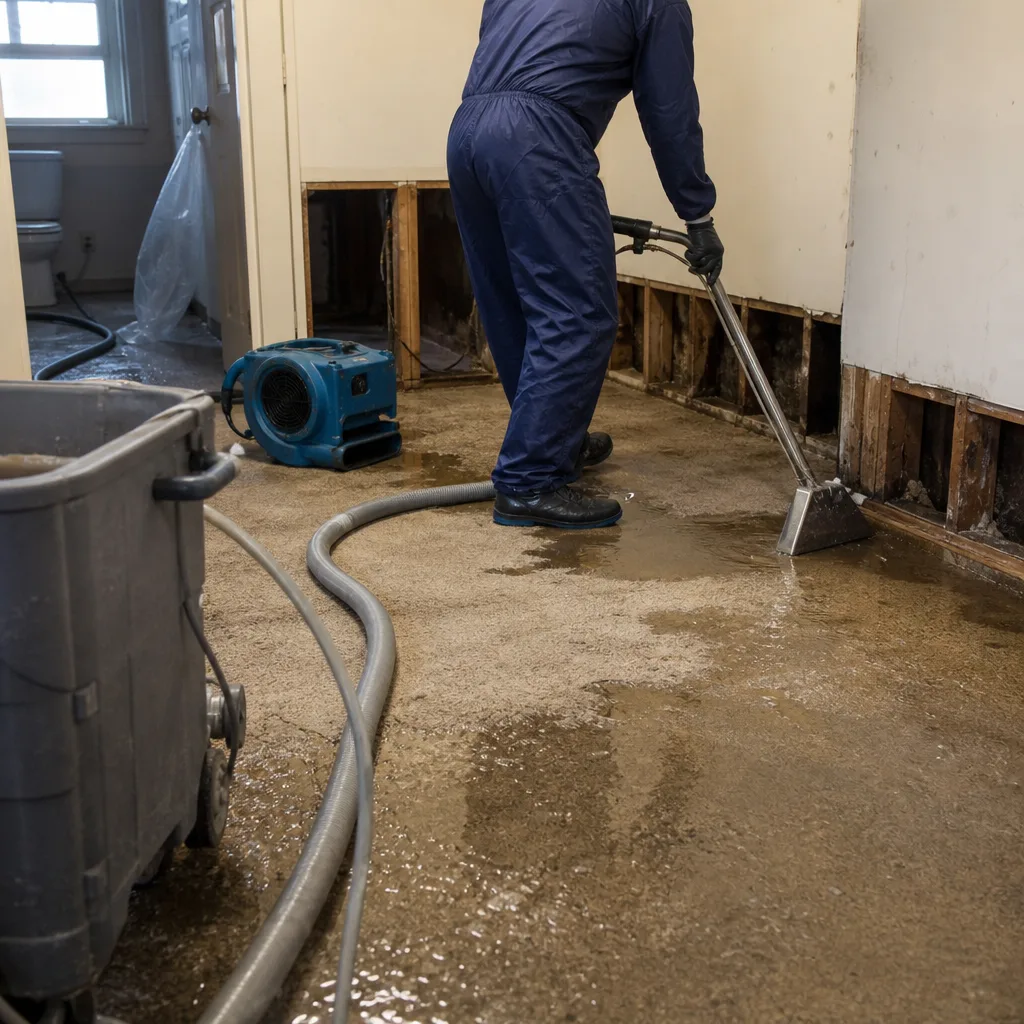
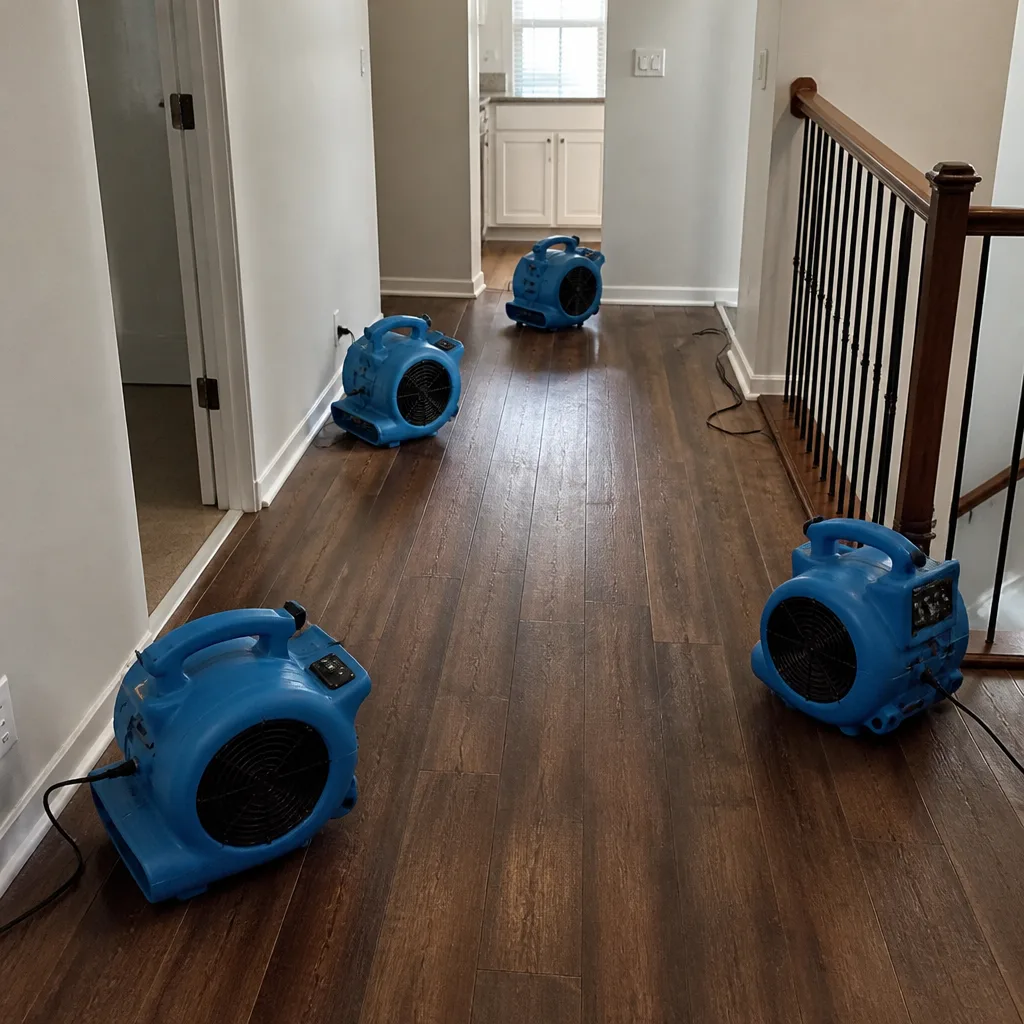
 Water damage drying
 Fire & smoke cleanup
 Mold remediation
 Storm response
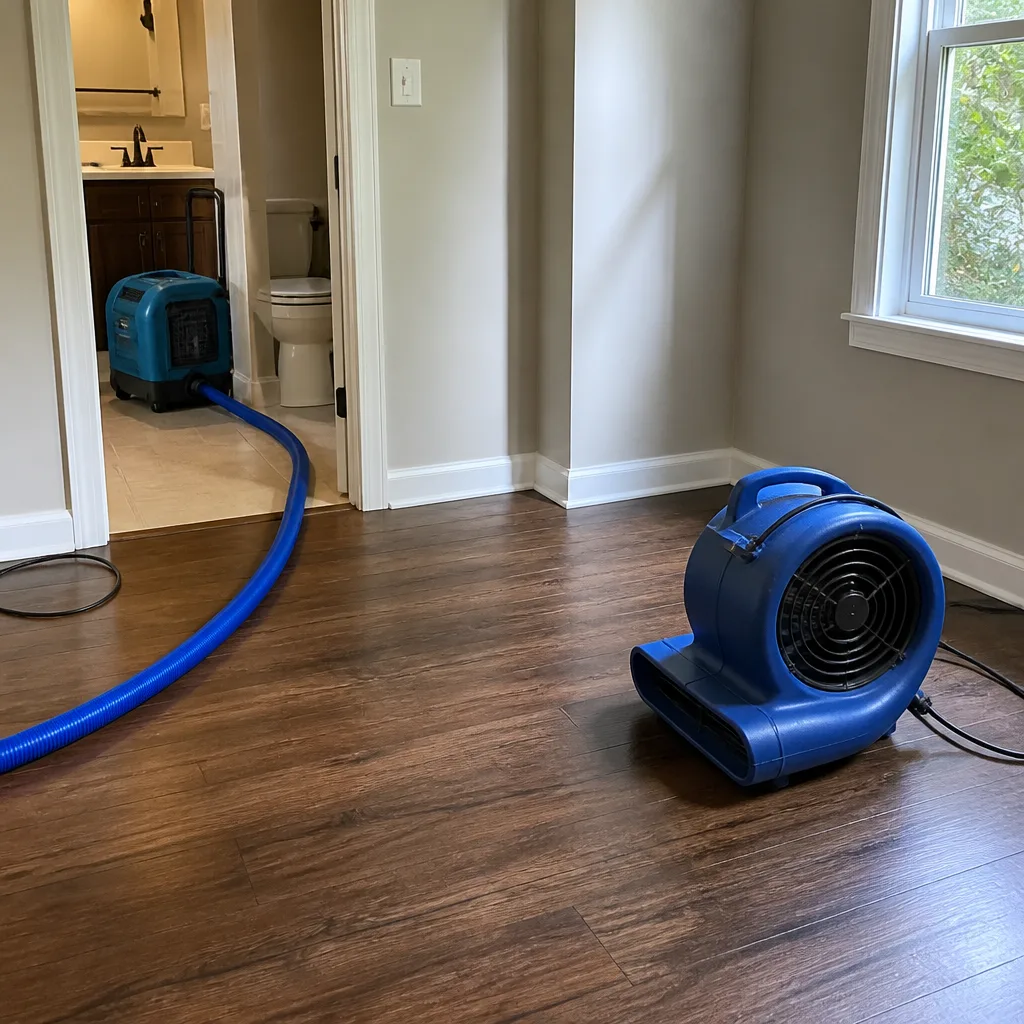 Sewage cleanup
 Reconstruction
Free visual inspection and a written scope of work before any mitigation begins - photos, moisture readings, and drying logs go in your claim file
The scope we write is the scope we bill. Anything new gets shown to you, in writing, before we touch it.
Get your free estimateRestoration work we handle
See the difference
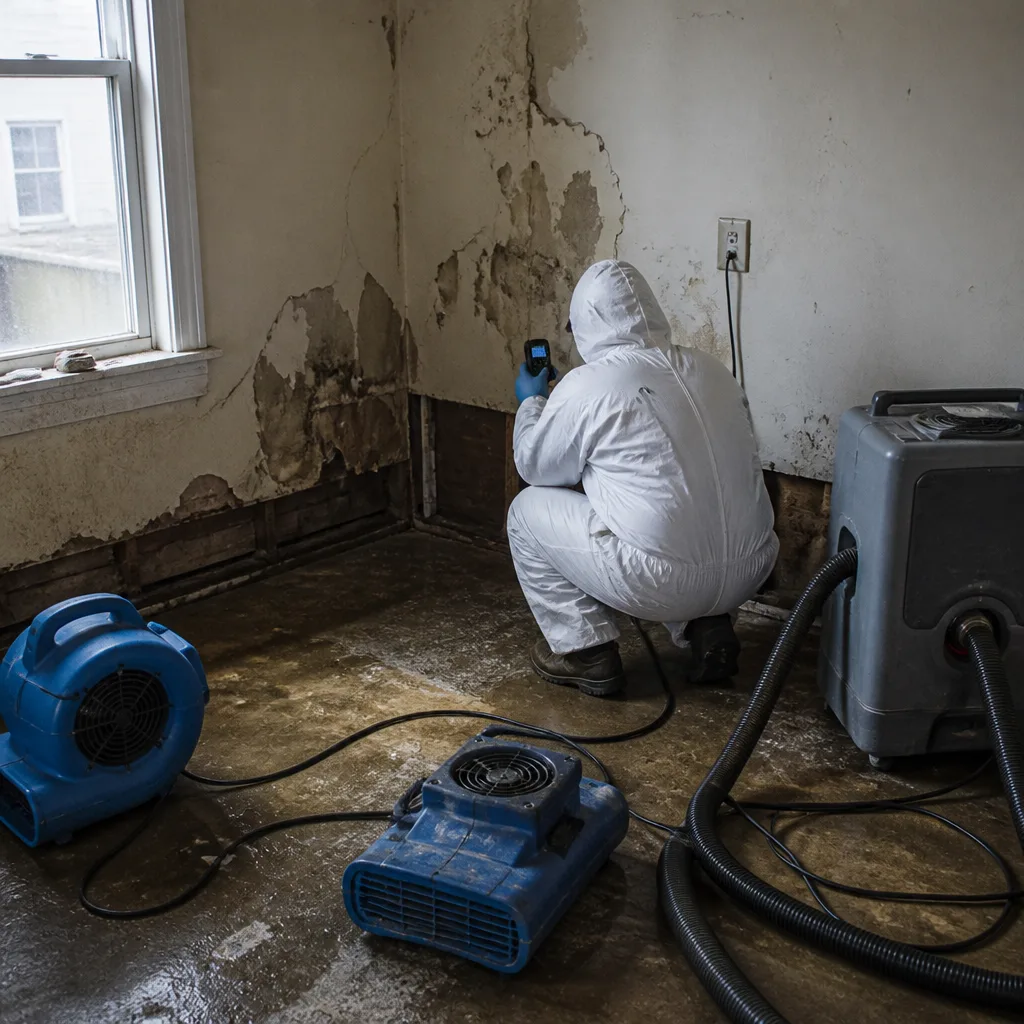 Before
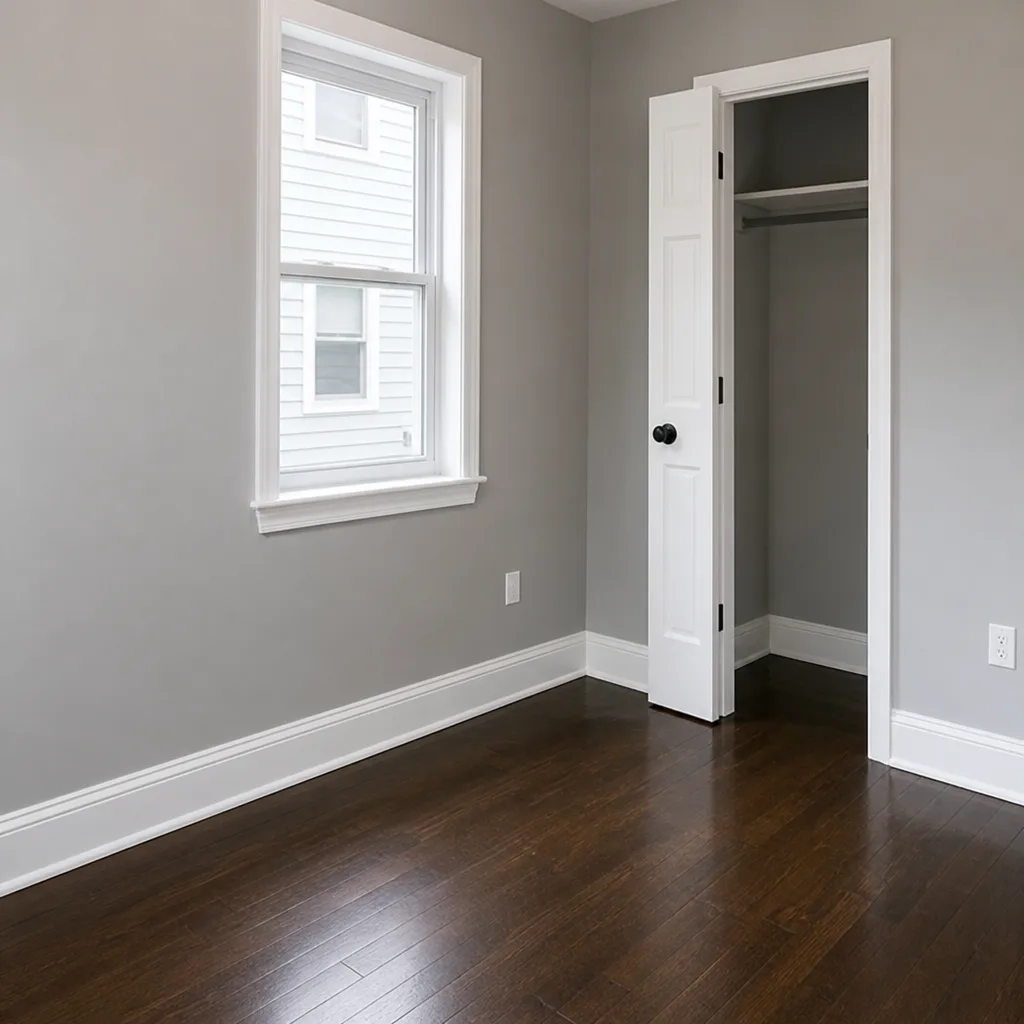 After
After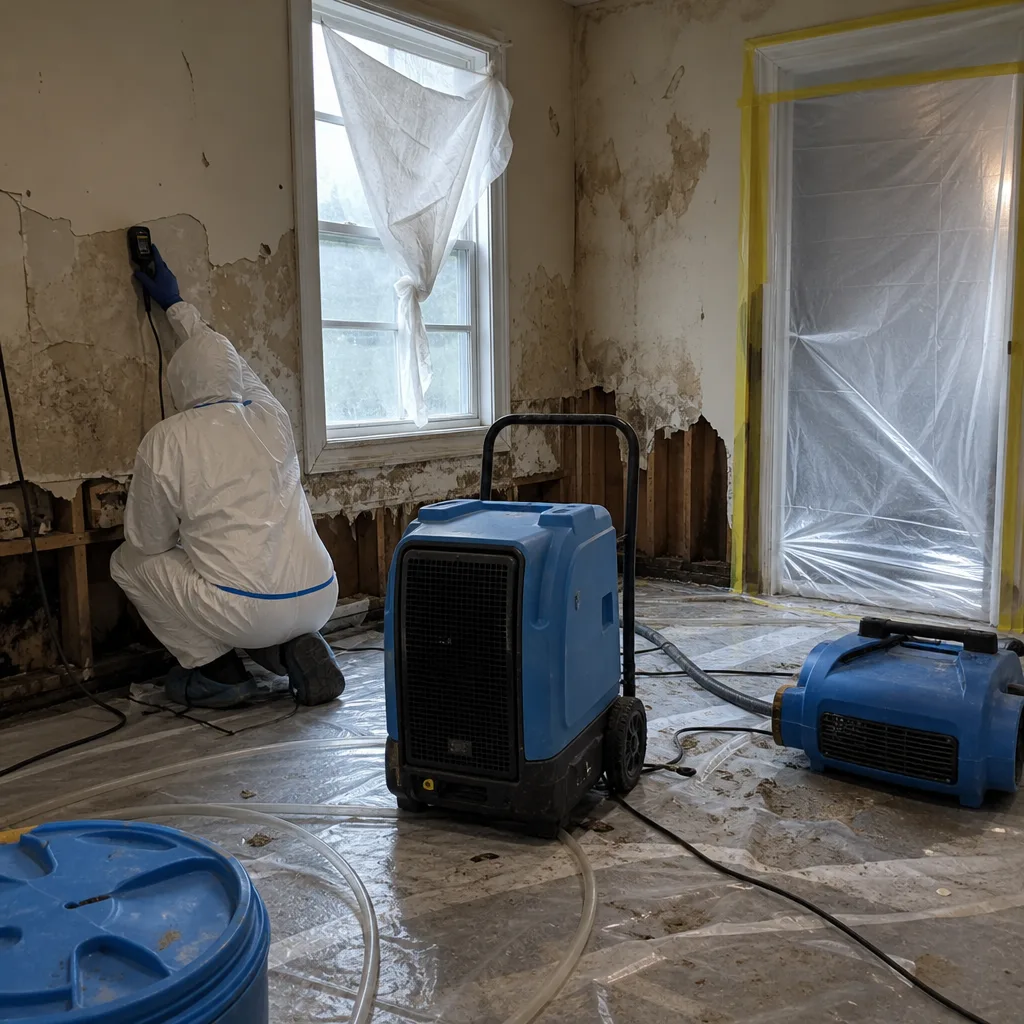 Before
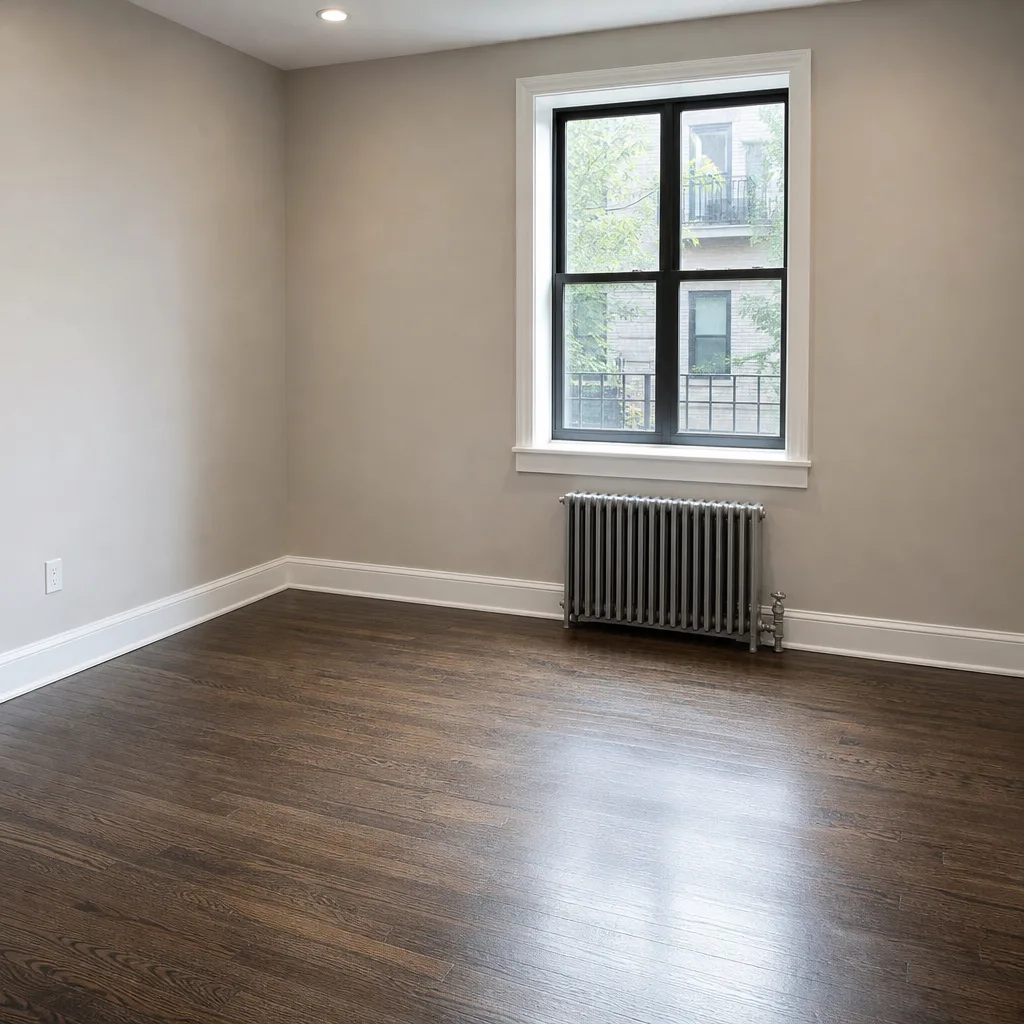 After
After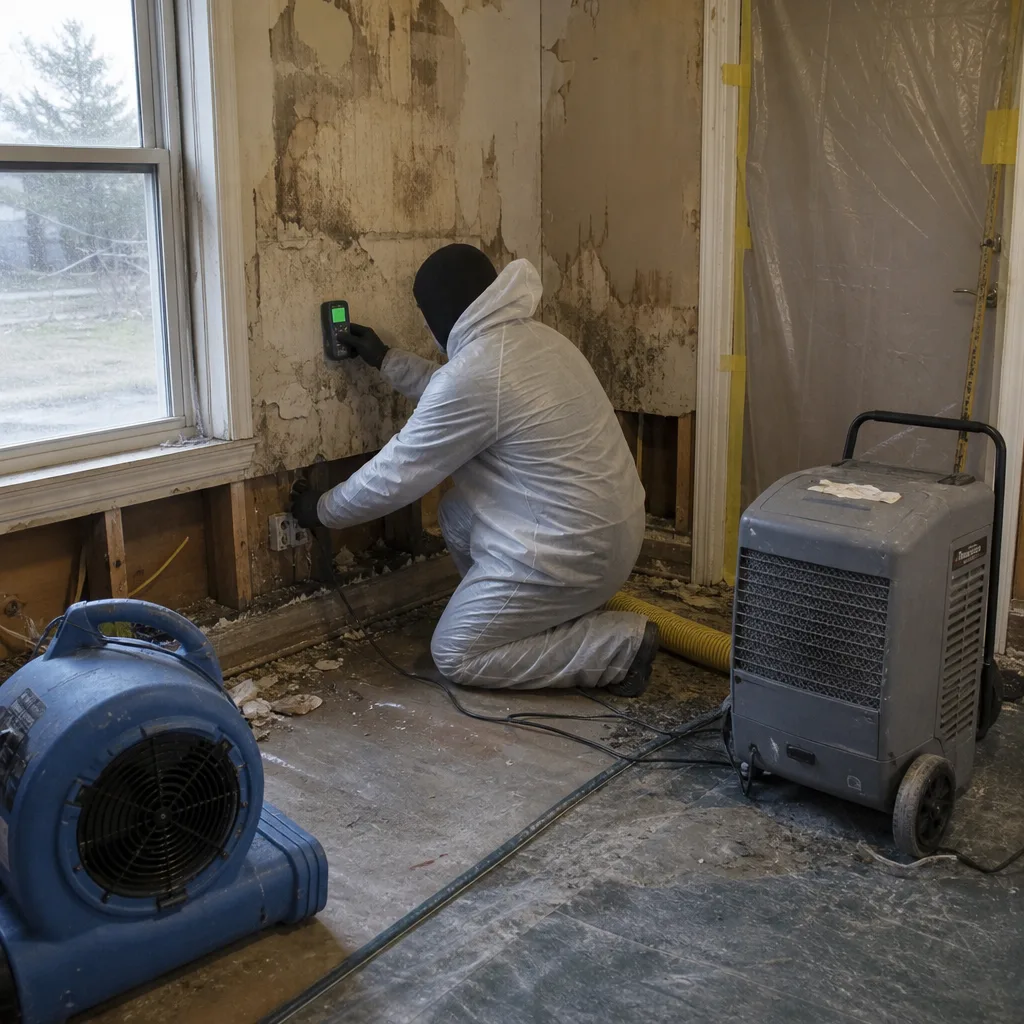 Before
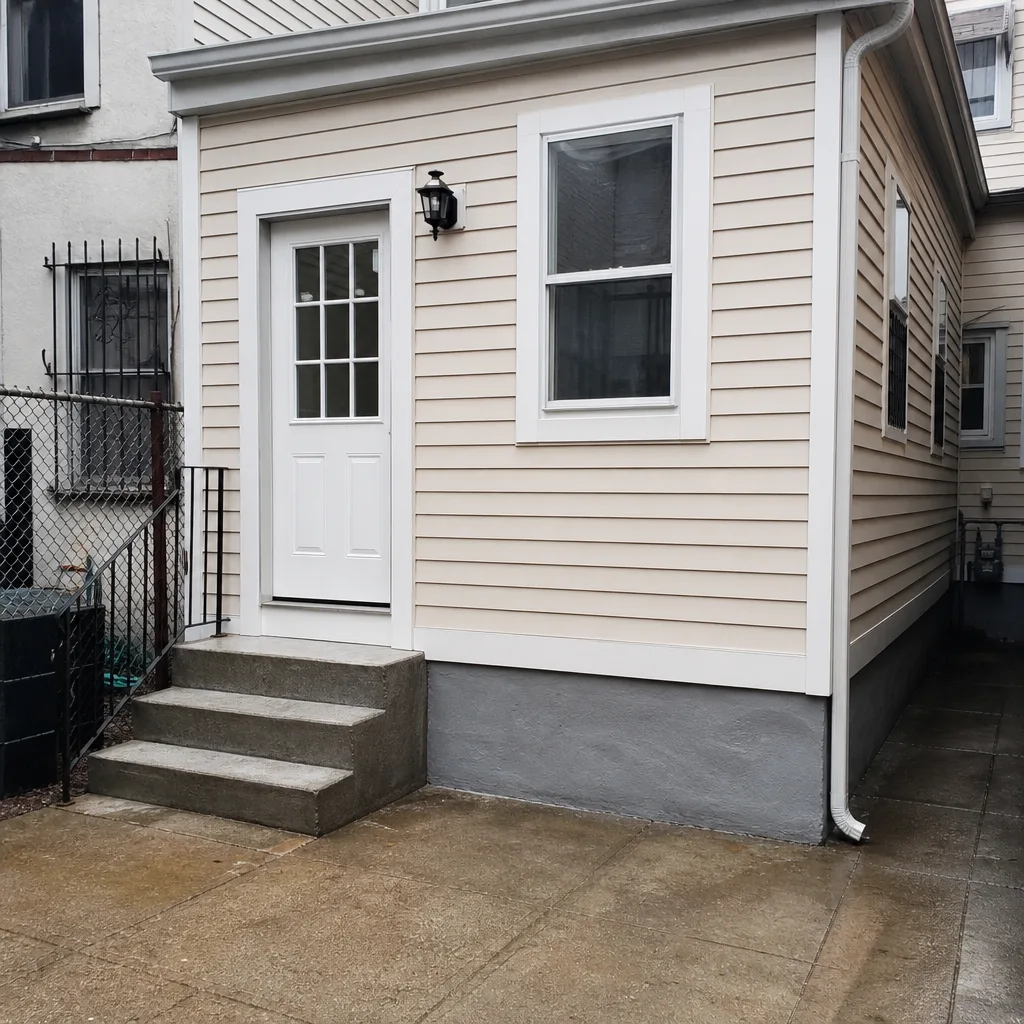 After
AfterHow Much Does Damage Restoration Cost in Brooklyn?
Most Brooklyn homeowners pay between $2,800 and $7,900 for water, fire, or mold damage restoration in 2026, with the typical job landing around $4,600. Small, contained water leaks can run as low as $900, while full fire rebuilds or large-scale mold remediation across multiple rooms can exceed $25,000. The spread is wide because Brooklyn’s housing stock ranges from prewar brownstones in Park Slope to new-construction condos in Downtown Brooklyn, and each building type presents different challenges for drying, demolition, and reconstruction.
We’re going to walk through the numbers line by line so you know exactly what you’re paying for before you sign anything. And if you want a precise quote for your situation, call (607) 399-3439 and speak with a live person, any hour, who can schedule a free on-site estimate.
Damage Restoration Cost Breakdown (2026)
Here’s what Brooklyn homeowners are paying in 2026, broken down by restoration type and severity. These ranges reflect our own jobs across neighborhoods like Bay Ridge, Flatbush, Williamsburg, Bed-Stuy, and Sheepshead Bay over the past 18 months.
| Restoration Type | Small / Contained | Moderate | Extensive |
|---|---|---|---|
| Water damage (clean water, e.g., supply line leak) | $900 – $2,500 | $3,000 – $7,500 | $8,000 – $20,000+ |
| Water damage (Category 3 / sewage backup) | $2,500 – $5,000 | $6,000 – $12,000 | $14,000 – $30,000+ |
| Mold remediation | $1,200 – $3,500 | $4,000 – $9,000 | $10,000 – $22,000+ |
| Fire damage (smoke & soot cleanup) | $2,000 – $5,000 | $6,000 – $15,000 | $18,000 – $45,000+ |
| Structural drying only (no rebuild) | $800 – $2,000 | $2,500 – $5,500 | $6,000 – $12,000 |
A note on “Category 3” water: that’s the restoration industry’s term for water containing sewage, bacteria, or other contaminants, and it’s unfortunately common in Brooklyn after heavy rain events push street water back through basement floor drains in neighborhoods like Gowanus, Red Hook, and parts of Bushwick with older combined sewer lines. Cleanup for Category 3 costs significantly more because it requires full removal of affected porous materials (drywall, carpet, insulation), antimicrobial treatment, and stricter personal protective equipment for the crew.
What drives the final number up or down:
- Scope of affected square footage. A 10-by-10 laundry room leak is a one-day drying job. A full basement in a Ditmas Park Victorian with lath-and-plaster walls? That’s a multi-day project with containment chambers.
- Water class. The IICRC classifies water damage by how much absorption has occurred. Class 1 (minimal absorption) might need 2 – 3 days of drying. Class 4 (fully saturated hardwood, masonry, or plaster) can need 5 – 7 days and specialty drying systems like the Injectidry panels we carry for getting moisture out of wall cavities without tearing everything out.
- Rebuild scope. Dry-out is one thing. Replacing flooring, drywall, trim, and paint is another line item entirely. Many Brooklyn homeowners are surprised to learn their insurance covers dry-out but not full rebuild of pre-existing finishes.
- Access constraints. Stairs, basements with narrow doorways, buildings without freight elevators – all of it affects how long the crew spends moving equipment in and out. A fourth-floor walk-up in Fort Greene costs more to service than a ground-floor unit.
- Asbestos or lead considerations. Pre-1978 buildings are common across Brooklyn. If demolition reveals materials that test positive for asbestos or lead, abatement is a separate permit-and-license process that adds real cost. We’re honest about this up front because it’s a variable we can’t always see until walls are opened.
What Affects Damage Restoration Pricing in Brooklyn
- Building age and construction type. Brooklyn has a huge share of prewar housing stock. Brownstone and brick row houses absorb water differently than steel-frame condos. Lath-and-plaster walls soak up moisture and are slower to dry than modern drywall, which means longer equipment run times and higher electrical costs.
- Proximity to salt water. In waterfront areas like Brighton Beach, Sheepshead Bay, and Red Hook, elevated ambient humidity (RH, or relative humidity, which measures how much moisture the air is holding) means drying equipment has to work harder. Our psychrometric calculations, the math that determines how many dehumidifiers and air movers a space needs, account for Brooklyn’s coastal microclimate separately from inland areas like Crown Heights.
- Parking and equipment staging. Narrow streets, alternate-side parking rules, and brownstone stoops all complicate moving a truckload of B-Air drying fans and Phoenix dehumidifiers into a job site. It’s a logistics step that adds labor hours most homeowners never think about until they see the bill.
- Insurance involvement. If you’re filing a claim, the adjuster’s scope of work will dictate which line items get covered. We work directly with adjusters and can document everything in the format they expect, which often saves homeowners from paying out of pocket for things that should be covered.
- Time of year. Summer in Brooklyn means high outdoor RH, which slows evaporation. Winter means frozen pipes and burst supply lines, but the cold, dry outdoor air actually speeds structural drying once the space is heated. Pricing reflects these seasonal realities.
- After-hours response. A pipe burst at 3 a.m. needs a faster response than a slow leak discovered on a Saturday afternoon. We answer live at all hours, and emergency dispatch costs reflect the crew’s overtime, but it’s almost always cheaper than waiting 12 hours while water wicks up your drywall.
How Much Does Water Damage Restoration Cost in Brooklyn?
Water damage is the most common restoration call we get in Brooklyn, and most homeowners spend $1,800 to $8,000 depending on the source and extent. A burst supply line under a kitchen sink that’s caught within an hour might run $1,200 to $2,800. A washing machine overflow that sat overnight and soaked into hardwood and the ceiling below can hit $5,000 to $9,000.
Here’s a closer look at common water damage scenarios in Brooklyn:
- Ceiling leak from an upstairs unit. In co-ops and condos, this is a frequent headache. Water travels along joists and electrical conduits, so the visible stain is often smaller than the actual wet area. Expect $1,500 to $5,000 for dry-out and ceiling repair, depending on whether the leak was clean supply water or drainage from a shower pan.
- Basement flooding after heavy rain. Neighborhoods with combined sewer systems – Gowanus, Red Hook, parts of Canarsie – see more of this. If the water is clear groundwater seepage, costs run $800 to $2,500 for extraction and drying. If it’s sewage backup, you’re looking at $3,000 to $10,000 for full decontamination and material removal.
- Burst pipe during a cold snap. January and February are our busiest months. A burst pipe in an exterior wall of a Park Slope brownstone might cost $3,000 to $12,000 because the wall cavity often needs to be opened, insulated, and rebuilt after drying.
How Much Does Mold Remediation Cost in Brooklyn?
Mold remediation in Brooklyn runs $1,500 to $9,000 for most residential jobs. A single bathroom wall with surface mold might cost $1,200 to $3,000. A basement with mold behind finished drywall, requiring containment and removal across 300+ square feet, can reach $8,000 to $15,000.
Why the range? The IICRC’s S520 standard, which guides professional mold remediation, requires negative-air containment for anything beyond a small isolated area. That means plastic sheeting, HEPA-filtered air scrubbers, and careful disposal protocols. In a city where neighboring units are often 10 feet away, doing this right matters.
Brooklyn-specific note: many older buildings have damp basements due to fieldstone foundations that wick groundwater. If mold comes back after remediation because the moisture source was never addressed, the work was wasted. That’s part of why we document moisture readings and RH levels before and after every mold job, and why our 365-Day Done Right Promise includes a free return visit if the mold returns within a year.
How Much Does Fire Damage Restoration Cost in Brooklyn?
Fire damage restoration costs $3,000 to $30,000+ in Brooklyn, with most structural fires landing between $8,000 and $25,000. A small kitchen grease fire contained to the range and wall behind it might run $4,000 to $9,000 for soot cleanup, odor removal, and repainting. A multi-room fire requiring structural repairs, content cleaning, and full reconstruction can easily pass $40,000.
Fire jobs break down into three cost categories:
- Soot and smoke cleanup. This is the fastest-growing line item. Soot is acidic and etches surfaces within 72 hours if not treated. Expect $2,000 to $6,000 for professional cleaning of walls, ceilings, and contents.
- Odor removal. Smoke odor lives in drywall, insulation, and even HVAC ductwork. Thermal fogging and ozone treatment add $500 to $2,000 depending on square footage.
- Reconstruction. Once the cleanup is done, the rebuild begins – framing, drywall, electrical, paint. This is usually $50 to $150 per square foot in Brooklyn’s current contractor market.
The Dryden Restoration Brooklyn Pricing Model
We don’t bid by the hour and then surprise you at the end. Every job gets a written price before any work starts, and that number doesn’t change at the door. That’s not a marketing line; it’s how the Kingswell companies have operated since 2005.
Here’s how our process works, step by step:
- You call (607) 399-3439. A live person answers, even at 3 a.m. on a holiday. We ask about what happened, where the water or damage is, and whether you’ve already contacted your insurer.
- We schedule a visit. You get a named arrival window. Not “sometime between 8 and 5.” We tell you who’s coming and when they’ll be there.
- The technician assesses on-site. Using moisture meters, thermal imaging, and RH readings, they map the full extent of the damage. They explain what they’re seeing in plain English.
- You receive a written scope and price. Line by line: what gets dried, what gets removed, what gets rebuilt, and what it costs. You sign only if you agree with the number.
- Work proceeds. Uniformed, background-checked technicians handle everything from extraction to final paint. We leave the job site cleaner than we found it.
- You get the 365-Day Done Right Promise in writing. If any covered repair fails within a year, we come back and make it right at no charge. No phone-tag with a warranty department, no “we’ll see what we can do.”
Carl Brandt, our founder, put it simply when he started Dryden as part of the Kingswell family of independently owned restoration businesses: “Say the price before the work. Show up in the window we gave. Leave the place cleaner than we found it. Put the guarantee in writing. Come back if it fails.” We’ve followed that order every day since.
How to Save on Damage Restoration in Brooklyn
Restoration is rarely a planned expense, which makes smart spending important. Here’s what actually reduces your total bill:
- Call fast. Water moves quickly. A leak caught in the first hour might need $1,200 in drying. The same leak left overnight could be a $6,000 tear-out and rebuild. The single biggest money-saver in restoration is response time.
- Shut off the source before calling. If you know where the main water shutoff is and can reach it safely, turning it off stops the damage from growing. Don’t touch electrical panels or water with live current nearby.
- Document everything for insurance. Photographs before anyone moves anything. A shot of the affected area, the source, and any damaged contents. This speeds up your claim and prevents disputes over what was wet versus dry.
- Don’t throw anything away. Save damaged materials for the adjuster to inspect. If a contractor carts away evidence before the adjuster arrives, you may lose coverage for that item.
- Ask about drying versus replacing. Professional-grade equipment like the Dri-Eaz dehumidifiers and Injectidry systems we run can often save hardwood floors, trim, and drywall that a less-equipped company would tear out and replace. Removing materials is fast; saving them sometimes costs less and preserves your home’s original character.
- Get a written scope, not just a number. A contractor who writes “dry and repair bathroom – $5,000” has given you nothing. A contractor who lists extraction, dehumidification days, drywall removal square footage, and rebuild materials has given you something you can compare. The written scope is your protection against price creep.
We offer free estimates. Call (607) 399-3439, and we’ll assess the damage and give you a clear written price. No obligation, no pressure.
What Does the 365-Day Done Right Promise Actually Cover?
This is the question we get most from Brooklyn homeowners who’ve been burned before by a contractor who walked away after the check cleared. Here’s how our guarantee works.
The 365-Day Done Right Promise covers any repair work we performed that fails within 12 months of completion. If drywall we patched cracks, if paint we applied separates, if a dehumidifier setup fails to dry as specified and mold returns in an area we remediated, we come back and correct it at zero additional cost. The promise is written into every job agreement. It’s not a handshake.
What triggers the free return visit:
- A repaired surface visibly failing (cracks, peeling, separation).
- Mold returning to an area we remediated within the warranty period.
- A drying job that left moisture we should have caught, resulting in secondary damage.
- Any installed repair material that fails under normal use.
What it doesn’t cover: new damage from a new event, homeowner neglect, or pre-existing conditions unrelated to our scope of work. We walk through exactly what’s covered and what isn’t before you sign, so there’s no ambiguity later.
Is Damage Restoration Covered by Homeowners Insurance in Brooklyn?
Most Brooklyn homeowners policies do cover water damage from sudden and accidental events, like a burst pipe or an overflowing washing machine. They typically do not cover gradual leaks, groundwater seepage through foundation walls, or mold that developed because of long-term humidity issues.
Typical coverage patterns we see from Brooklyn insurers:
- Sudden pipe bursts: Usually covered, including dry-out and rebuild.
- Appliance overflow: Usually covered if the failure was sudden, not maintenance neglect.
- Sewage backup: Often requires a specific endorsement. Standard policies in NYC frequently exclude it.
- Groundwater flooding: Excluded from standard homeowners policies. Requires separate flood insurance, typically through the National Flood Insurance Program.
- Fire damage: Covered by standard policies, including smoke cleanup and rebuild.
- Mold remediation: Often capped. Many Brooklyn-area policies limit mold coverage to $5,000 – $10,000 even if the underlying water event was covered.
We work directly with insurance adjusters and can provide the documentation they request: moisture readings, photographic evidence, drying logs, and itemized scopes. If you’re not sure whether to file a claim, we can help you think through the math. Sometimes the out-of-pocket cost is close enough to your deductible that filing raises your premium for no real benefit.
Why Brooklyn Homeowners Choose Dryden Restoration Brooklyn
We’re not the biggest restoration company in Brooklyn, and we don’t want to be. We’re the one that answers the phone. The one whose technicians arrive in uniform with their names on their shirts. The one that hands you a written price before a tool is touched and a written guarantee before the first day of work ends.
Here’s what that looks like on a real job:
A homeowner in Bay Ridge calls at 11 p.m. on a Tuesday. The live person who answers is a dispatcher in our Brooklyn office, not an answering service across the country. An hour later, a Dryden truck is parked on their street. The technician, background-checked and in uniform, finds a failed supply line behind the washing machine. Water has run through the laundry room wall into the finished basement below.
By 1 a.m., the water is extracted, the affected drywall is marked for removal, and the drying equipment is running: a Dri-Eaz dehumidifier, a Phoenix air mover, an XPOWER fan for air circulation. The homeowner gets a written scope and a dollar number before any demolition starts. Four days later, the RH readings confirm the structure is dry. Rebuild happens the following week. The homeowner gets a written 365-Day Done Right Promise.
That’s the whole model. No surprises, no ghosting, no vague hand-wave about “industry standards.” We tell you what we’re doing, what it costs, and we back it up.
FAQs – Damage Restoration Cost in Brooklyn
Is it cheaper to repair water damage or replace everything?
Repairing is almost always cheaper, typically $1,500 to $6,000 versus $8,000 to $20,000+ for full replacement, as long as you act within the first 48 to 72 hours. After that window, saturated drywall, baseboards, and flooring often can’t be saved, and the price shifts toward replacement. Call (607) 399-3439 and we’ll assess what’s salvageable before you spend a dollar.
How much does emergency water extraction cost in Brooklyn on a weekend?
Expect $1,200 to $3,500 for emergency water extraction and start of drying with same-day response on weekends or after hours. The number depends on square footage, water category, and equipment needs. Our dispatcher can give you a rough range over the phone before we arrive.
Does homeowners insurance cover mold removal in Brooklyn?
Most Brooklyn policies cover mold remediation only when it stems from a covered water event, and even then often capped at $5,000 to $10,000. Mold from humidity or gradual leaks is typically excluded. We document the water source and moisture history in a format adjusters accept, which helps maximize your covered amount.
How long does damage restoration take in Brooklyn?
Water extraction and setup of drying equipment takes 2 to 6 hours. Structural drying typically runs 3 to 7 days depending on water class and Brooklyn’s ambient humidity. Rebuild after drying adds 2 to 8 weeks depending on scope and permit requirements. We’ll give you a timeline at the same time we give you the written price.
Can you come today if I have a burst pipe?
Yes. We answer live 24/7 and dispatch same-day for water emergencies anywhere in Brooklyn, including Bay Ridge, Flatbush, Williamsburg, Crown Heights, and Sheepshead Bay. Call (607) 399-3439 and a real person will take your information and get a truck moving.
What’s the most expensive part of damage restoration?
Rebuild labor and materials are typically the most expensive line item, running $50 to $150 per square foot in Brooklyn in 2026. The dry-out portion of a job is usually $1,500 to $5,000; the rebuild is where costs climb. That’s why a fast response matters: every hour of water exposure increases the amount of material that must be removed and then rebuilt.
Contact Dryden Restoration Brooklyn
If you’re dealing with water, mold, or fire damage in Brooklyn, you don’t have to figure it out alone. Call (607) 399-3439 for a free, no-obligation estimate. You’ll speak with a live person who can answer your questions, schedule a visit with a named arrival window, and get you a written price before any work begins.
We serve all of Brooklyn, from the brownstones of Park Slope to the high-rises of Downtown Brooklyn, the row houses of Bushwick to the co-ops of Brighton Beach. Our home page has more detail on our full range of services, and we’re happy to talk through your specific situation whenever you’re ready. The number works 24 hours a day, 7 days a week, 365 days a year.
Pricing reflects the Brooklyn market as of 2026. Dryden Restoration Brooklyn offers free estimates – call (607) 399-3439.
Written by Carl Brandt, Owner at Dryden Restoration Brooklyn, serving Brooklyn since 2005.
What Our Customers Say
"Honest crew. They could have told me the whole floor needed to come up. Instead they dried it properly, monitored it for a few days, and saved most of the hardwood. Checked their own work before closing it out."
- Andre Washington"Good work drying out the basement. The fans were loud and ran for days, which they warned me about. Just be ready for that. The restoration itself was done right."
- Grant Whitmore"Small kitchen fire left smoke damage through half the house. Dryden handled the cleanup and the smell, start to finish, and kept me updated the whole way. Felt like they actually cared."
- Kim Petersen