
 Water damage drying
 Fire & smoke cleanup
 Mold remediation
 Storm response
 Sewage cleanup
 Reconstruction
Free visual inspection and a written scope of work before any mitigation begins - photos, moisture readings, and drying logs go in your claim file
The scope we write is the scope we bill. Anything new gets shown to you, in writing, before we touch it.
Get your free estimateFast, Reliable Fire Damage Restoration Across Williamsburg
A kitchen fire in a Williamsburg loft or brownstone doesn’t just damage one room. It pushes pressurized soot through shared brick party walls, into ductwork, behind baseboards, and into the units on either side of you. That’s the reality of fire damage in this neighborhood, where 19th-century masonry construction connects homes in ways modern drywall never does. Dryden Restoration Brooklyn responds to Williamsburg fire losses with the same urgency we’ve brought to the borough since 2005, as an independently owned and operated Kingswell company. Live dispatch is available 24 hours a day, 7 days a week. Call (607) 399-3439 right now and a real person answers, not a recording. We’ll give you a written price before any tool touches your home.
Why Dryden Restoration Brooklyn Is Williamsburg’s Preferred Fire Damage Restoration Company
We know Williamsburg’s buildings the way a local should. The converted warehouse lofts along Berry Street and Kent Avenue, the 19th-century brick row houses off Grand Street, the pre-war tenements near Bedford Avenue. Each one fails differently after a fire, and each one needs a restoration approach that respects its age and construction. Our techs walk into a Williamsburg job already knowing what to look for: original wood joists that hide char, plaster and lath channels that carry suppression water into neighboring units, and brick party walls that let smoke migrate laterally even when flames never cross the property line.
Williamsburg homeowners tell us the same things, job after job. The adjuster is slow to call back. A previous restoration company quoted one number over the phone and another after ripping out drywall. The crew that showed up had no uniforms, no written scope, and no clear timeline. We’ve built our reputation here by doing the opposite. Every Dryden technician is background-checked and arrives in uniform. You get a named arrival window, not a four-hour range. And the price we put in writing before work begins is the price you pay. That’s the Kingswell Way: say the price before the work, show up in the window we gave, leave the place cleaner than we found it, put the guarantee in writing, and come back if it fails.
Our Fire Damage Restoration team carries professional-grade equipment, including Dri-Eaz air scrubbers, Phoenix dehumidifiers, XPOWER air movers, and Injectidry drying systems. Work is performed to IICRC, RIA, and IFA standards. But more importantly, we explain what we’re doing in plain English as we go, so you always know why a step matters and what it costs.
Restoration work we handle
Soot Removal in Williamsburg
Soot Removal in Williamsburg is rarely a simple wipe-down job, because the borough’s converted industrial lofts and brownstones have surfaces that hold soot differently than modern drywall. Exposed brick, structural steel beams, original tin ceilings, and wide-plank wood floors all absorb soot at different rates. In a converted factory loft with exposed brick along the East River side, pressure-driven soot gets into mortar joints and brick pores, where a standard sponge wipe just smears it deeper. The right approach is dry-ice blasting or soda blasting for the masonry and steel, paired with HEPA-vacuumed surface cleaning for painted trim and drywall. A typical soot removal in Williamsburg runs $800 to $2,200 per room, depending on surface type and soot depth.
Odor Control After Soot Removal
Removing visible soot doesn’t remove the smell. Soot is made of microscopic carbon particles that lodge in porous materials and release odor for months. In Williamsburg’s converted factory buildings, concrete floors and brick walls act like sponges for smoke odor. We use thermal fogging and hydroxyl generators in enclosed spaces to neutralize odor at the particle level. Without that step, the smell comes back through party walls and floor channels in a matter of days.
When Soot Removal Isn’t Enough
Sometimes a Williamsburg homeowner calls us for “just soot cleanup” and we find char inside wall cavities or smoldering remnants in original wood joists. That’s the moment soot removal becomes structural fire repair. We cut back and sister the damaged joists, then refinish. The written scope we give you lists exactly what we found and what each step costs before we proceed.
Fire Damage Restoration Company in Williamsburg
Fire Damage Restoration Company work in Williamsburg means more than what most homeowners picture. It’s not just cleaning and repainting. In these older buildings, fire damage restoration means assessing structural wood that’s been charred, coordinating with Landmarks Preservation Commission restrictions on exterior work when a row house is in a historic district, and managing the cross-contamination that travels through shared brick walls into adjacent units. A full fire restoration for a kitchen fire in a Williamsburg brownstone typically runs $4,500 to $18,000, depending on the spread of smoke, the condition of the joists, and whether finishes are original or previously renovated. Converted loft spaces with exposed brick and steel often run higher because blasting and refinishing masonry is labor-intensive.
Containment Before Demolition
The single most common mistake we see in Williamsburg is restoration crews starting demolition before containment is set. Once you open a charred wall, soot and debris spread through the building’s shared air spaces and into the neighbor’s unit. We set containment with negative air pressure and HEPA filtration before any wall is opened. This is not optional. It’s the difference between a contained kitchen fire and a three-unit insurance claim.
Salvage Assessment in Pre-War Buildings
Original wide-plank floors, tin ceilings, and cast-iron details are often salvageable after a fire, but only if the assessment happens fast. Soot and suppression water damage these materials within hours. We document everything with photos, write a salvageability report for your adjuster, and coordinate directly with insurance. The goal is to save what’s restorable and replace only what’s truly gone.
Trusted Brands We Service in Williamsburg
We don’t believe in showing up with rental equipment that another crew used on a flood yesterday. Our Williamsburg jobs run on Dri-Eaz, Phoenix, and XPOWER machines that we own and maintain. For targeted structural drying in tight party-wall cavities, we use Injectidry systems, which push dry air into interstitial spaces that traditional equipment can’t reach. Whether your building is a brick row house near McCarren Park, a converted warehouse near the East River, or a pre-war walk-up off Graham Avenue, our equipment is sized and staged for your specific footprint. We maintain a local parts and supply stock for Williamsburg jobs, so we’re not waiting on cross-country shipments when a fire loss needs immediate attention.
See the difference
 Before
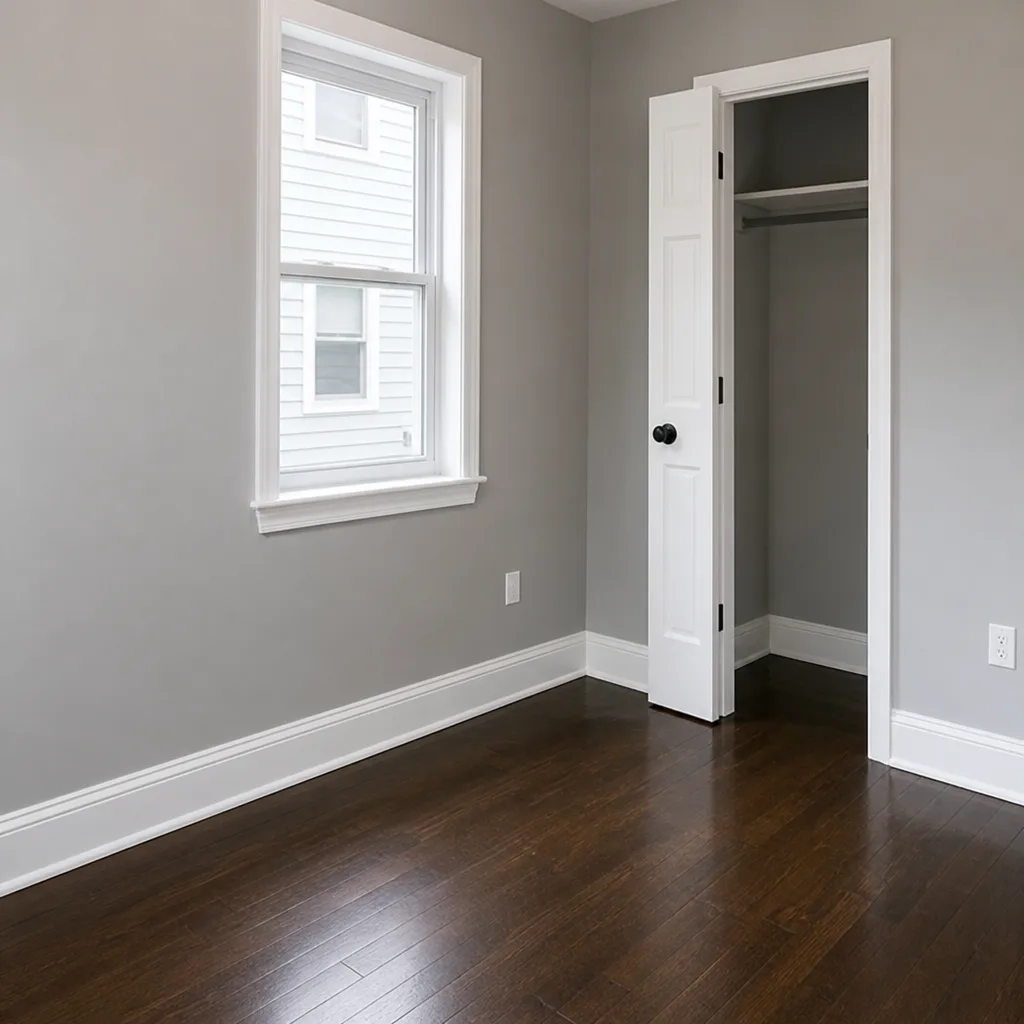 After
After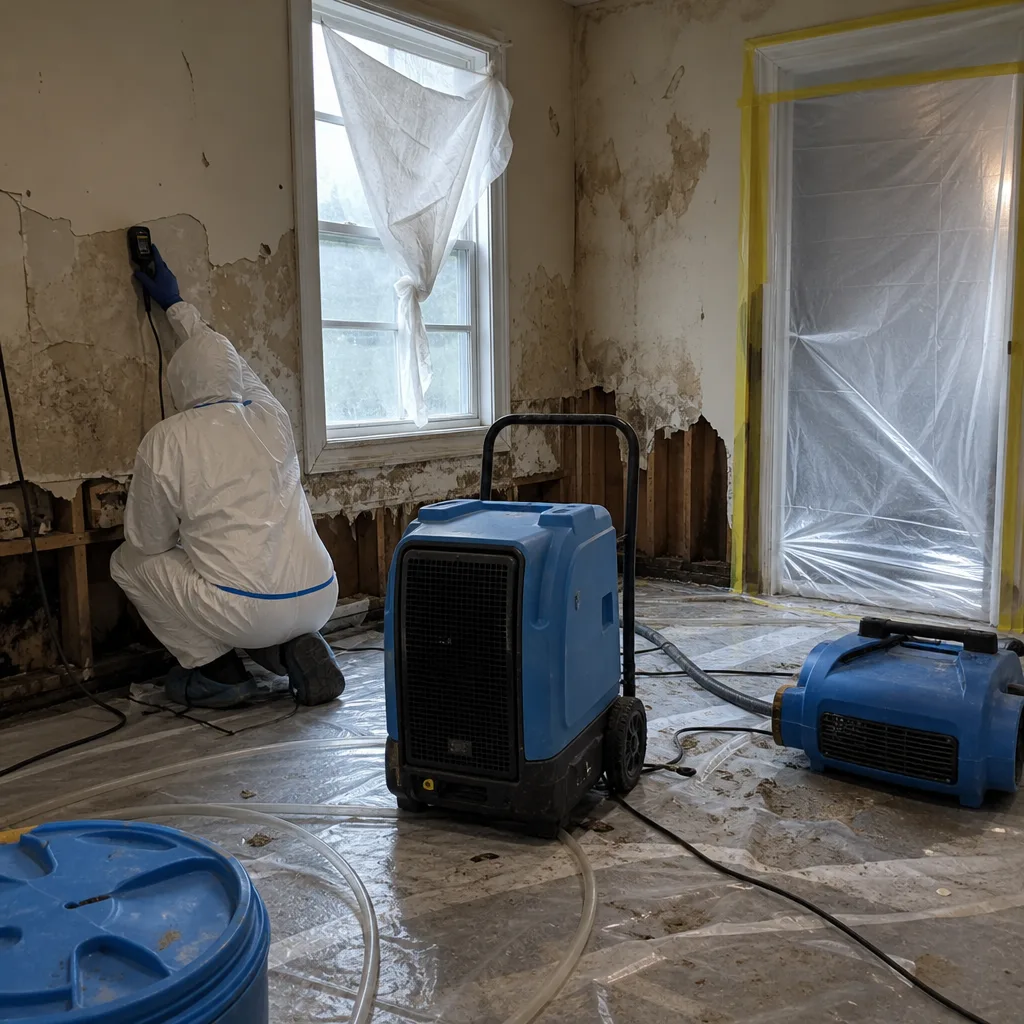 Before
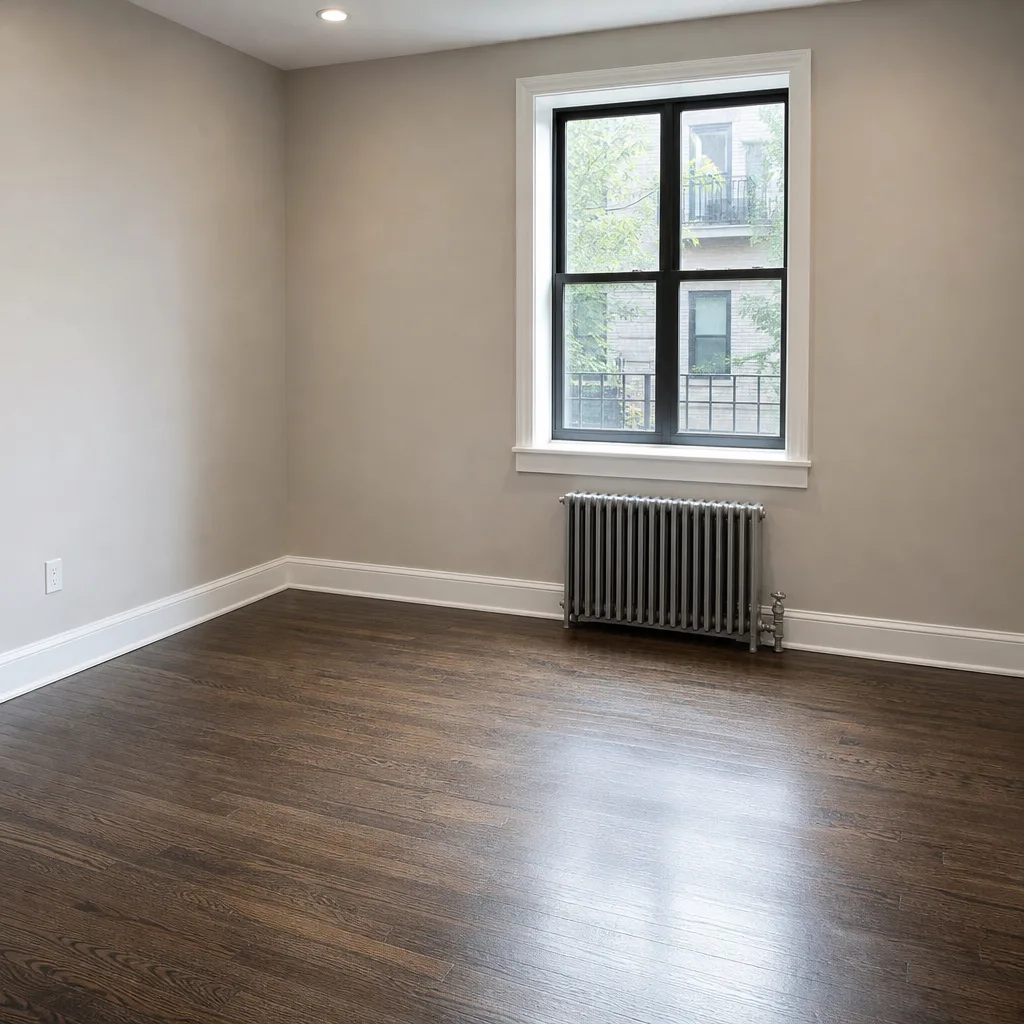 After
After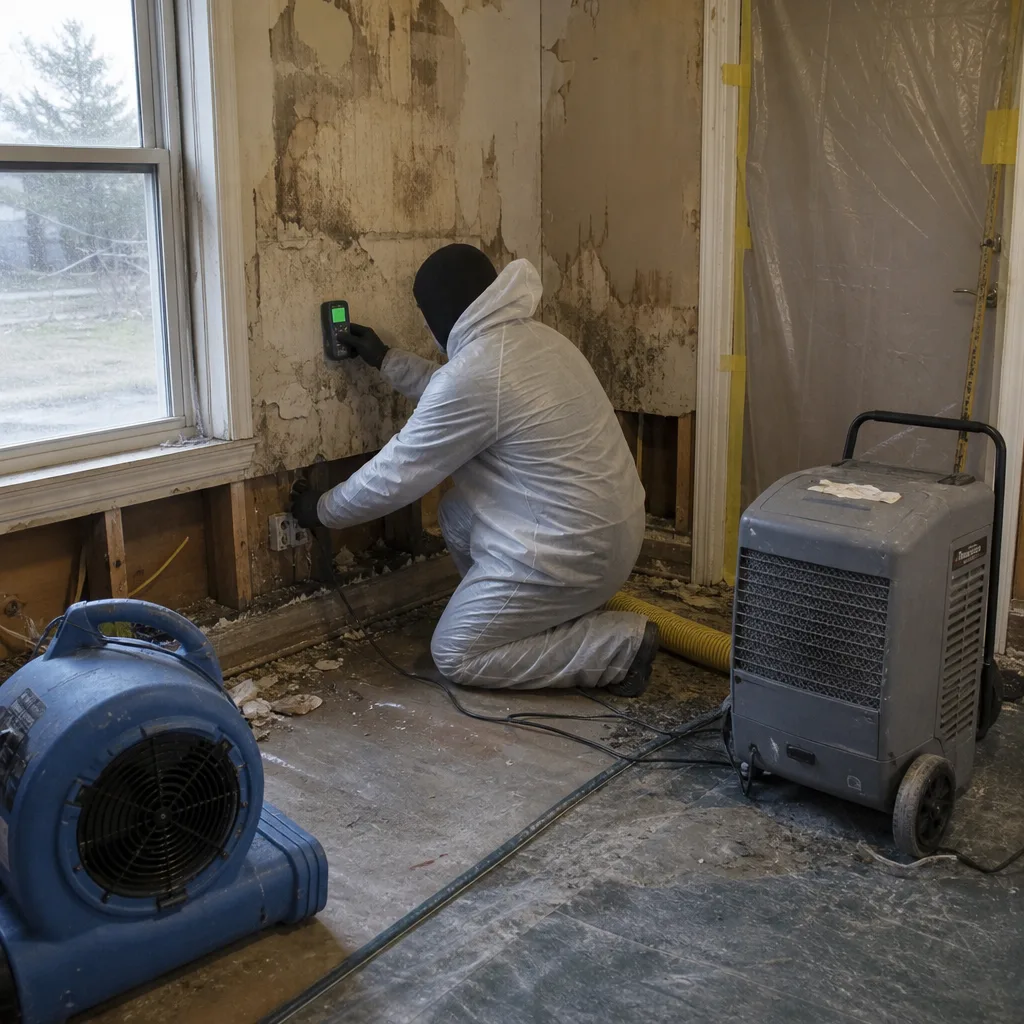 Before
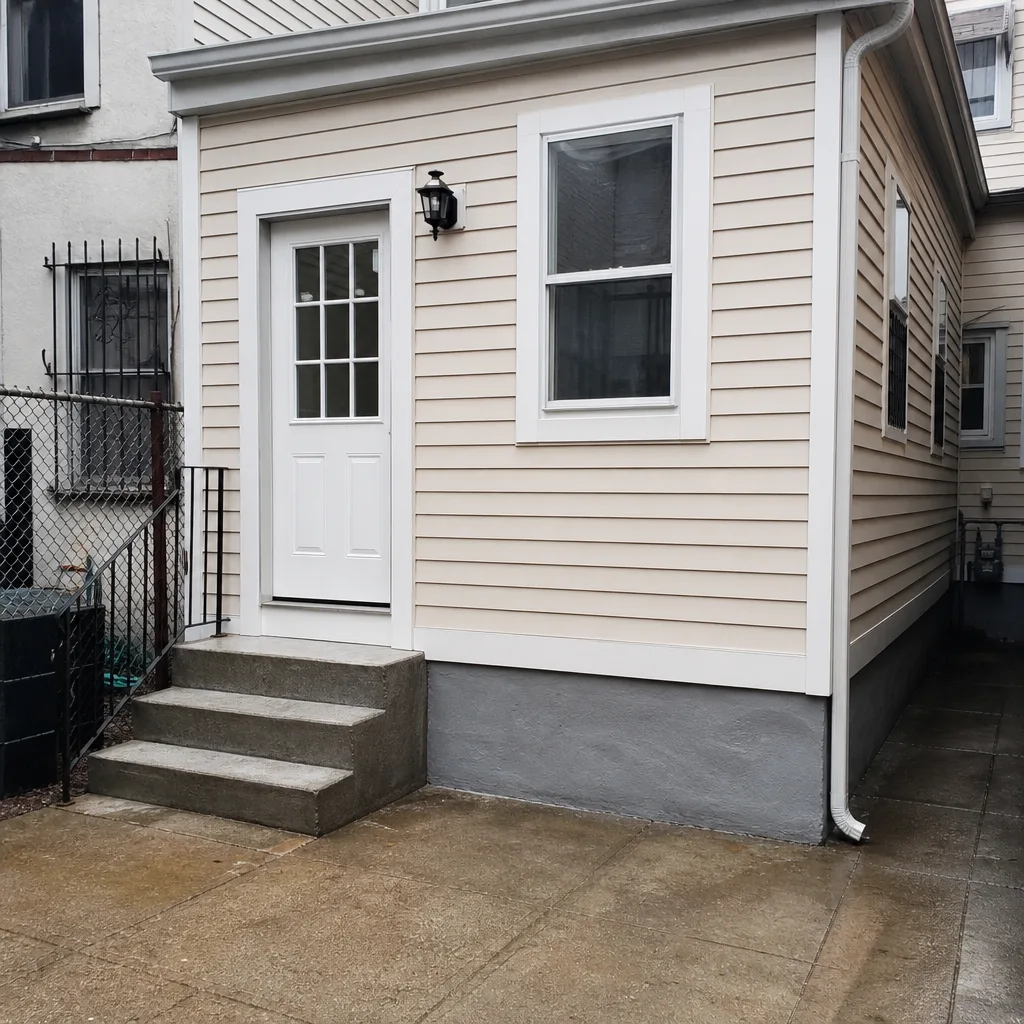 After
AfterCommon Fire Damage Restoration Problems We See in Williamsburg Homes
- Lateral smoke migration through brick party walls. In Williamsburg’s converted lofts and row houses, shared masonry walls let pressurized soot push into neighboring units even when the fire never crosses the property line. The neighbor’s space may need HEPA air scrubbing and surface cleaning even if there’s no visible damage behind the wall.
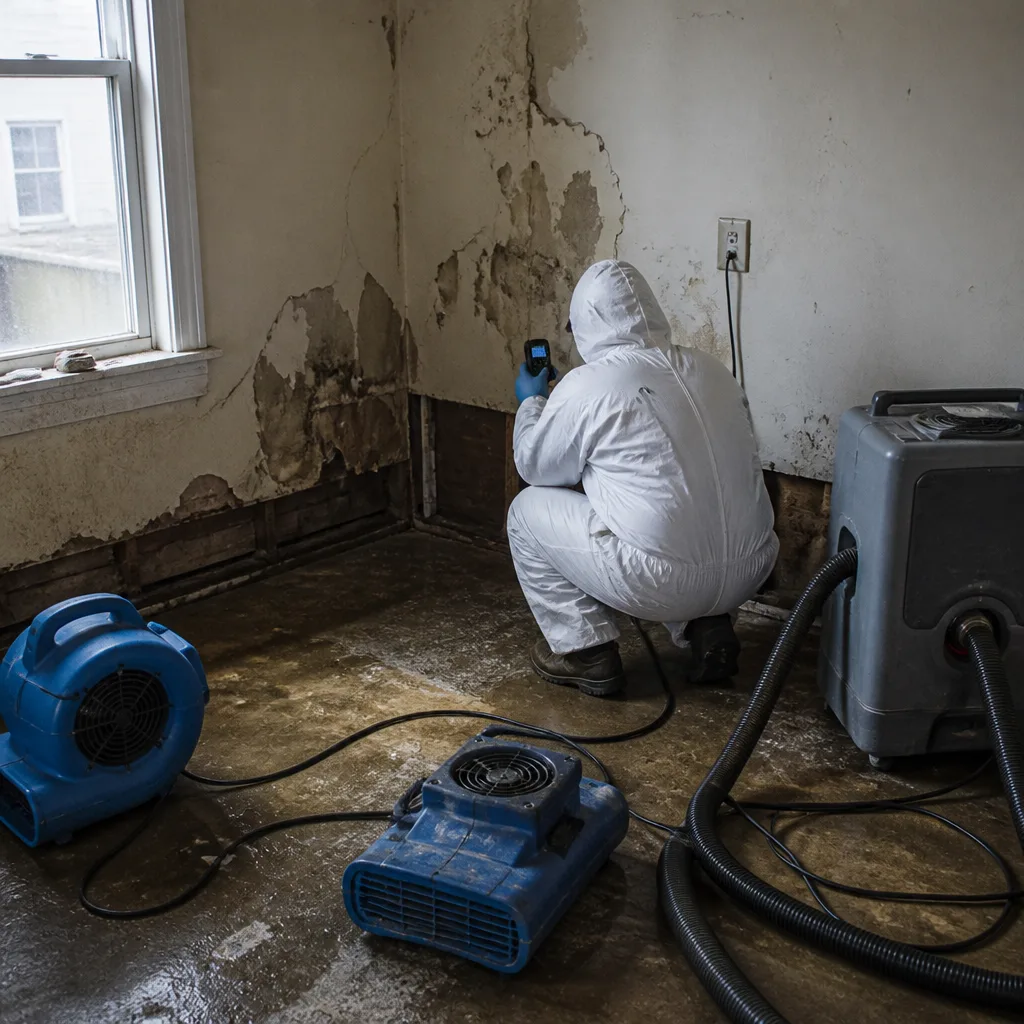
- Suppression water trapped in plaster and lath. Fire hoses pump hundreds of gallons into a structure. In pre-war Williamsburg buildings with original plaster and lath, that water travels through lath channels into adjacent units. We map moisture with meters and thermal imaging before any demolition starts, so we’re not chasing secondary damage weeks later.
- Charred joists hidden behind intact plaster. The plaster can look fine while the wood behind it is compromised. In 19th-century Williamsburg row houses with original timber framing, we always cut back and inspect the joists before refinishing. Sistering a joist costs far less than a floor collapse later.
- Odor returning through shared basement storage areas. Converted industrial buildings in Williamsburg often share basement storage rooms with concrete and brick surfaces that soak up smoke. Without thermal fogging in every adjacent cellar space, odor comes back through the party walls within days of the initial cleanup.
Pricing for Fire Damage Restoration in Williamsburg, NY
We Also Serve Cities Near Williamsburg
Our crews cover Williamsburg and the surrounding boroughs daily. We serve Brooklyn, New York, Midtown Manhattan, and Bedford-Stuyvesant with the same urgency and the same written guarantee. If your building sits near the edge of Williamsburg, call us. We’ll tell you honestly whether you’re in our service area and get the right crew dispatched.
Serving Williamsburg, NY - Our Local Coverage Area
We’re based in the Williamsburg area and know this community well. Use the map below to see our service coverage - if you’re nearby, we can almost certainly help.
FAQs About Fire Damage Restoration in Williamsburg
We set containment with negative air pressure and HEPA filtration before opening any wall, which prevents soot and smoke from being pushed through party-wall voids and into the adjacent unit. Then we clean the shared brick surface with dry-ice blasting and run air scrubbers in both spaces until air quality tests clear. Call (607) 399-3439 for an exact scope.
Yes, in most cases. Wide-plank floors in 19th-century brownstones are usually restorable if we get there before suppression water soaks into the wood and causes cupping. We document the salvageability with photos for your adjuster, then dry the flooring with controlled dehumidification and refinish where needed. Estimates are free.
Regular soot removal cleans surfaces. Fire restoration in a converted Williamsburg loft also addresses the brick and steel behind the soot, the structural framing, and the cross-contamination that traveled into adjacent units. A loft with exposed brick and steel requires blasting and refinishing that a standard drywall home never needs.
We inspect char depth on structural wood, test moisture content in walls and floors, and document original finishes with before-and-after photos for your insurance claim. The standard is simple: if we can clean it, dry it, and restore it to pre-loss condition, we do. If it’s structurally compromised or permanently smoke-damaged, we tell you in writing before we cut anything.
In humid months, mold can begin in 24 to 48 hours after suppression water soaks into plaster, lath, and wood framing. That’s why we dispatch to Williamsburg fire losses the same day you call, and why initial moisture mapping happens before any demolition. The faster the structure is dried, the less mold remediation you’ll need later.
If you’re dealing with fire damage in Williamsburg, call Dryden Restoration Brooklyn at (607) 399-3439. We’re available 24 hours a day, 7 days a week, and the person who answers is a real human being who can dispatch a crew to your building. Every job comes with a written price before work begins and our 365-Day Done Right Promise in writing: if a covered repair fails within a year, we return and make it right at no charge.
Written by Carl Brandt, Owner at Dryden Restoration Brooklyn, serving Williamsburg since 2005.