
 Water damage drying
 Fire & smoke cleanup
 Mold remediation
 Storm response
 Sewage cleanup
 Reconstruction
Free visual inspection and a written scope of work before any mitigation begins - photos, moisture readings, and drying logs go in your claim file
The scope we write is the scope we bill. Anything new gets shown to you, in writing, before we touch it.
Get your free estimateRestoration work we handle
See the difference
 Before
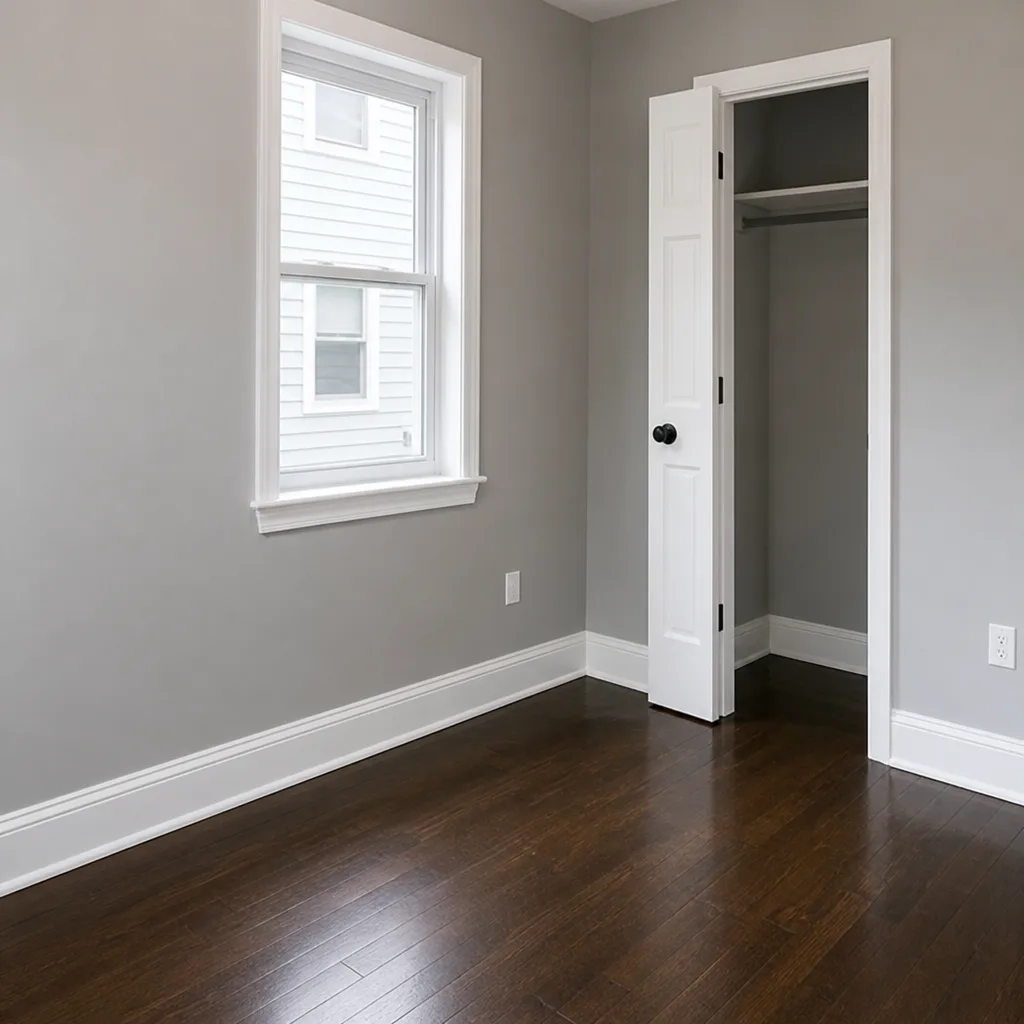 After
After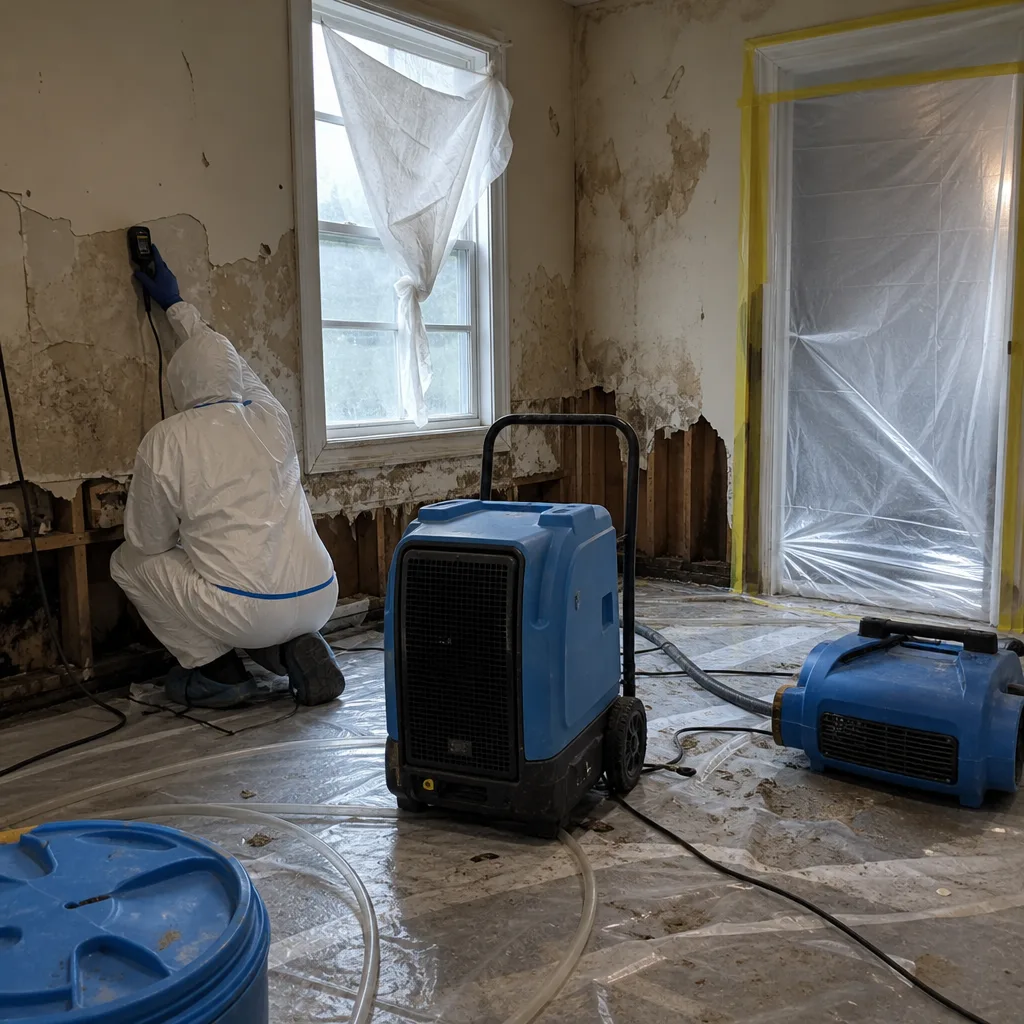 Before
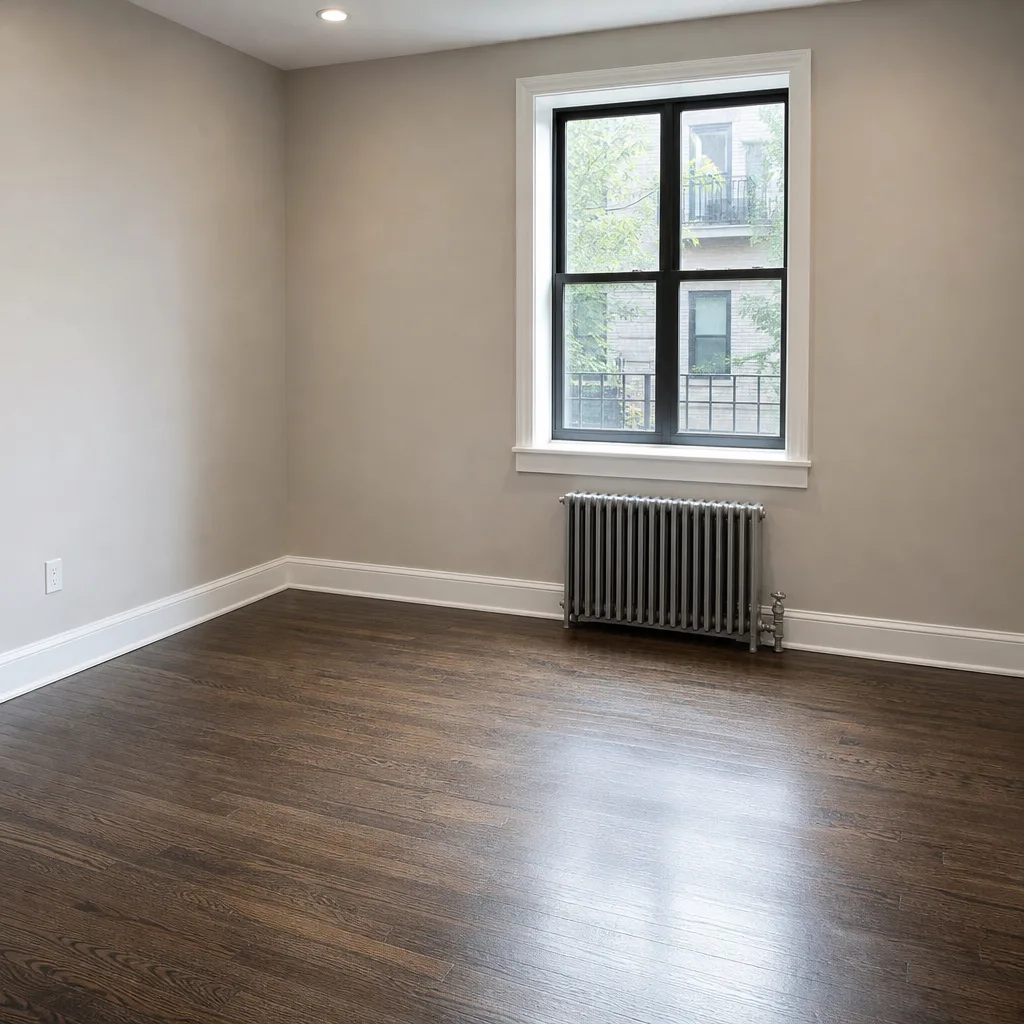 After
After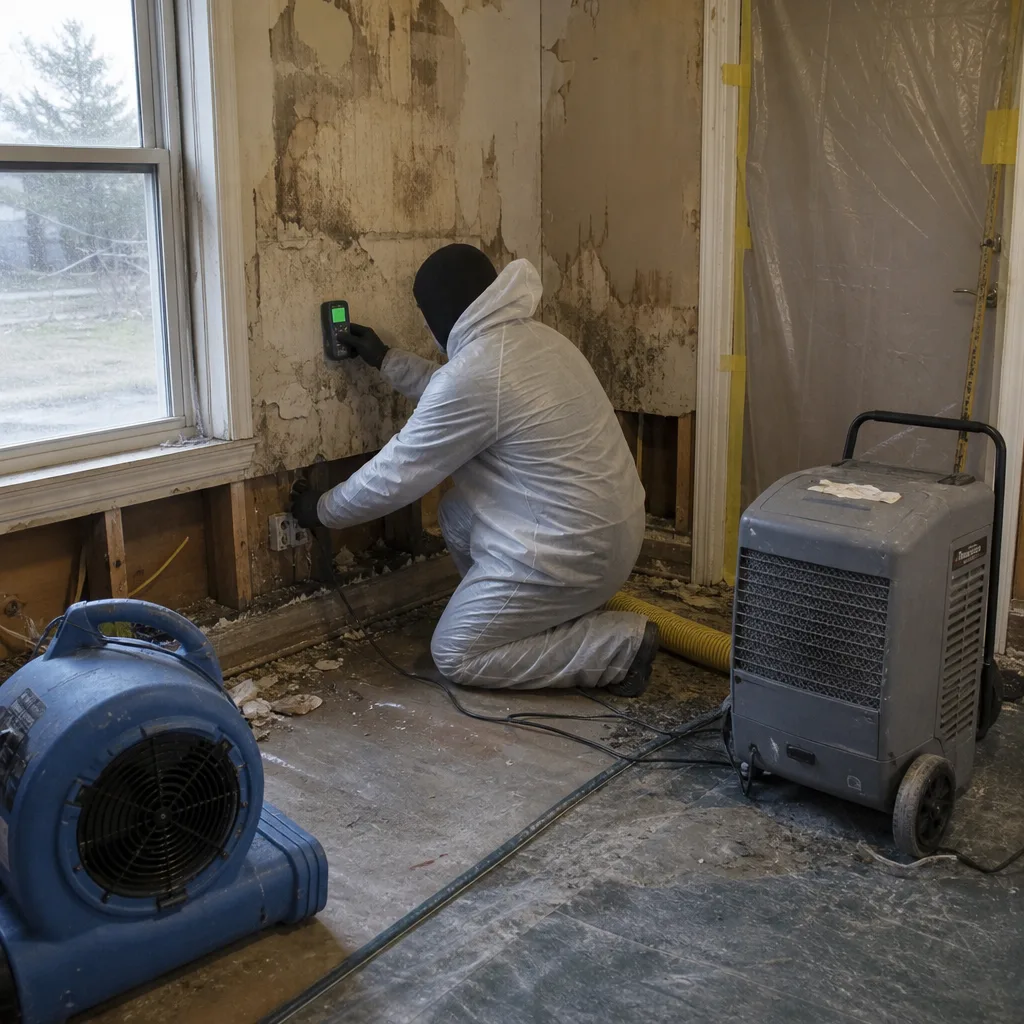 Before
 After
AfterStructural Drying & Dehumidification in Brooklyn, NY
Structural drying costs most Brooklyn homeowners between $1,800 and $4,500, depending on how far water has traveled into walls, floors, and framing. The work typically takes three to five days with professional-grade equipment running around the clock. At Dryden Restoration Brooklyn, we bring commercial dehumidifiers and high-velocity air movers into your home, monitor moisture levels daily, and don’t pack up until readings confirm the structure is actually dry, not just dry to the touch. If you’re dealing with water that’s sat for more than 24 hours or has soaked into drywall, subfloor, or joists, call us at (607) 399-3439 before mold gets a chance to set in. We’re the independent Kingswell company handling Water Damage Restoration in Brooklyn with written pricing and a 365-day guarantee on every job.
Key Takeaways
- Structural drying in Brooklyn runs $1,800 – $4,500 on average, with severe cases reaching $7,000+
- Professional drying takes 3 – 5 days, not the 24 hours most homeowners expect
- Drying must reach wall cavities and subfloor, not just visible surfaces
- Dryden Restoration Brooklyn provides a written price before any equipment enters your home
- Every structural drying job carries our 365-Day Done Right Promise in writing
When You Need Structural Drying & Dehumidification
Not every spill needs a full drying crew. A towel handles a tipped glass. Water damage restoration is for water that has penetrated building materials and can’t evaporate on its own. Here’s what that looks like in Brooklyn homes:
- Water sat for more than 24 hours. In brownstone basements in Park Slope and Boerum Hill, a slow leak from a water heater or supply line often goes unnoticed until the floor buckles. By then, water has wicked up drywall and into baseboards.
- Baseboards are swelling or separating from the wall. MDF and wood baseboard act like a sponge. Once swollen, the moisture behind them is almost certainly inside the wall cavity.
- Floors feel spongy or cupped. Hardwood in Carroll Gardens and Brooklyn Heights homes absorbs water fast and cups within 48 hours. Subfloor below holds moisture even after the surface feels dry.
- Musty smell that gets worse at night. That’s the sign relative humidity, or RH, is too high inside wall cavities and under floors. High sustained RH is the leading cause of hidden mold growth in Brooklyn’s older housing stock.
- Water event from an appliance, roof, or sewage line. A washing machine overflow in Williamsburg, a roof leak in Bay Ridge, or a sewer backup in Flatbush can all send water into places you’ll never see without moisture meters.
- Painted walls that feel cold or damp in spots. Lathe-and-plaster walls common in prewar Brooklyn buildings hold water longer than modern drywall and need aggressive dehumidification, not just air movement.
Our Structural Drying & Dehumidification Process
Drying a structure properly is called psychrometric drying. The plain-English version: we measure moisture, temperature, and relative humidity in each affected room, then match equipment and airflow to what those numbers tell us. It’s a science, and it’s the difference between a home that’s actually dry and one that smells fine for two weeks before the mold shows up. Here’s how we work:
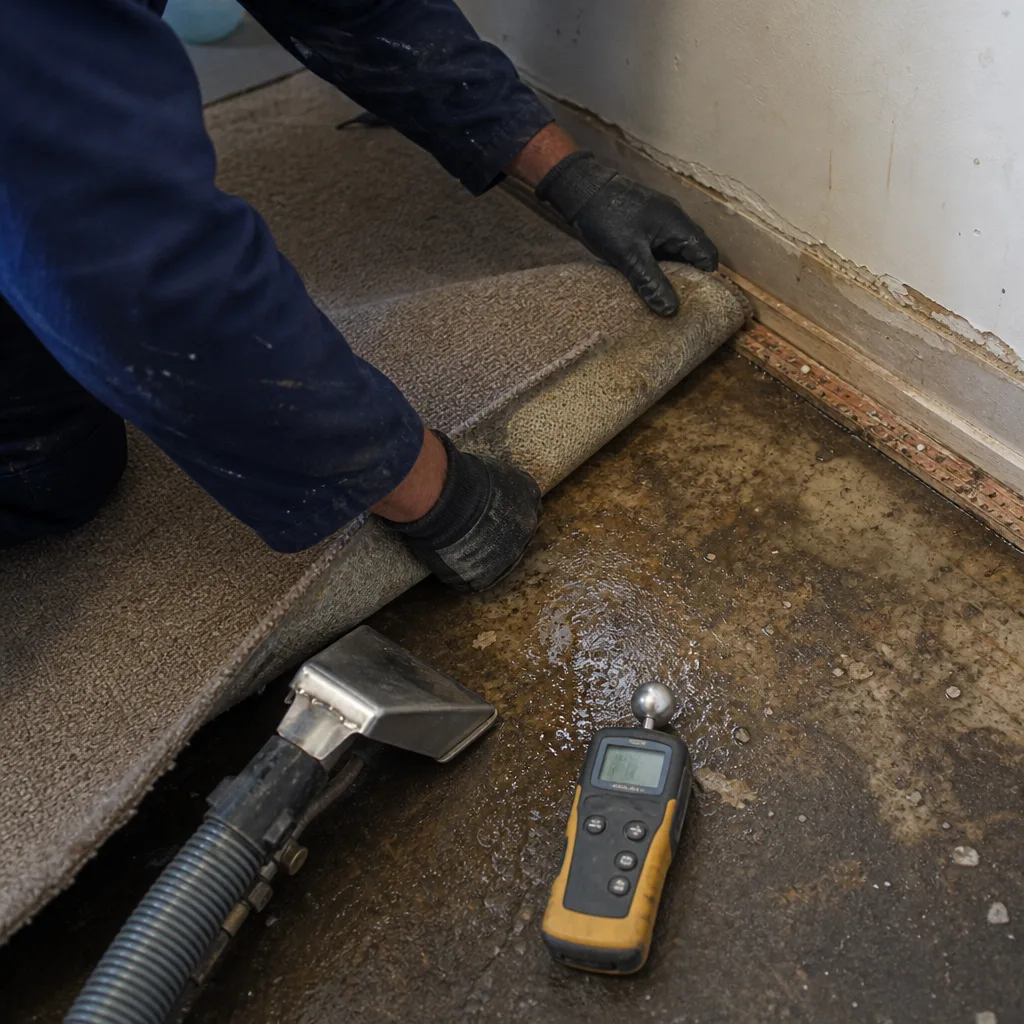
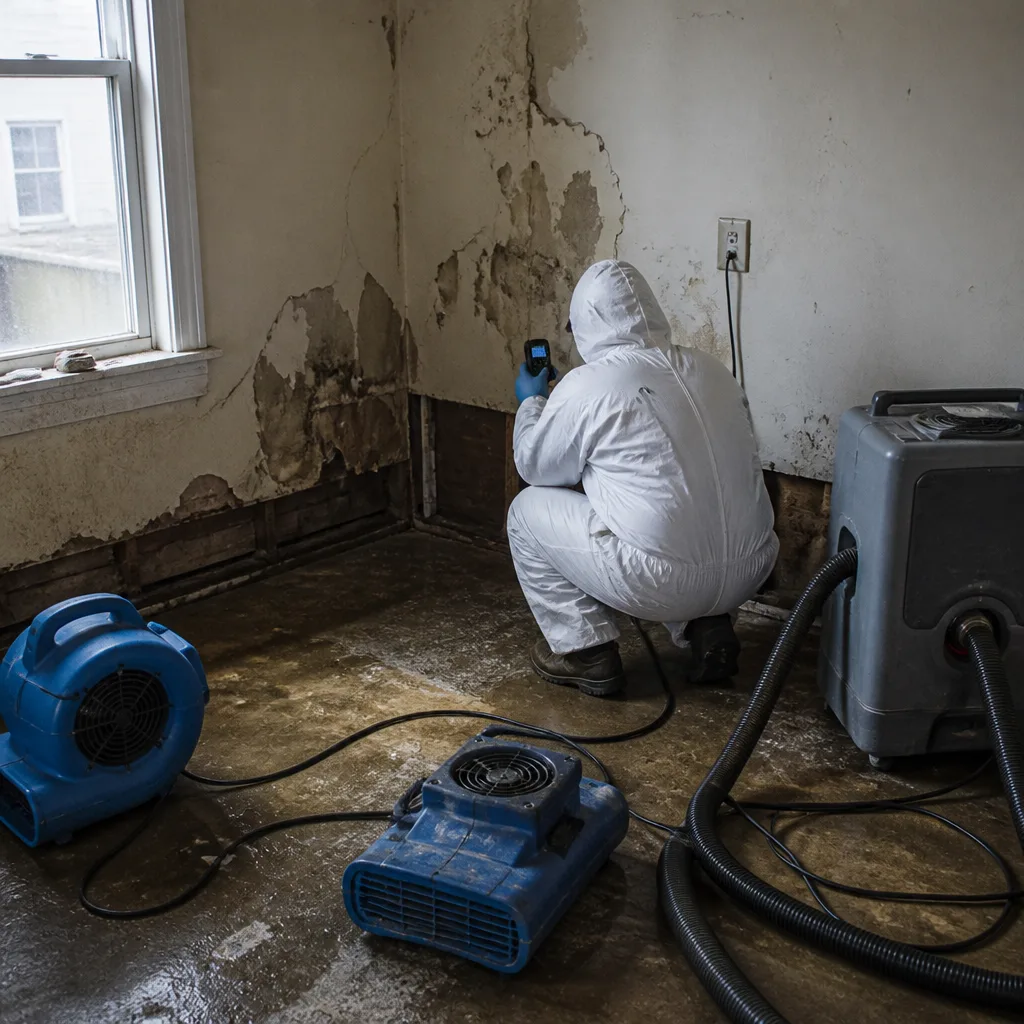
- Assessment and moisture mapping. A technician uses moisture meters and thermal imaging to trace exactly how far water has traveled. We check wall cavities, subfloor, joists, and trim. You get a written scope of the affected area and a written price before any equipment comes off the truck.
- Water extraction. If standing water remains, we pull it with truck-mounted or portable extraction units. The less water we leave behind, the faster the drying phase works.
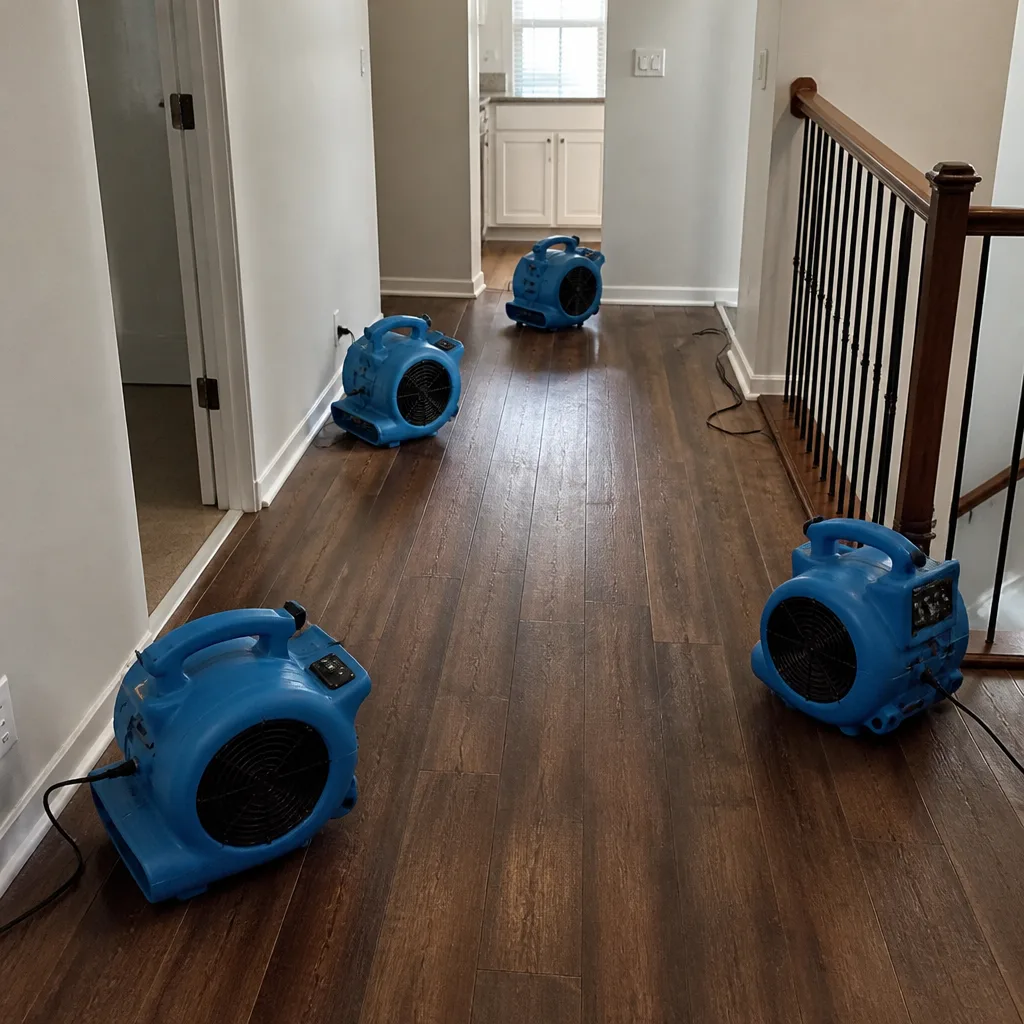
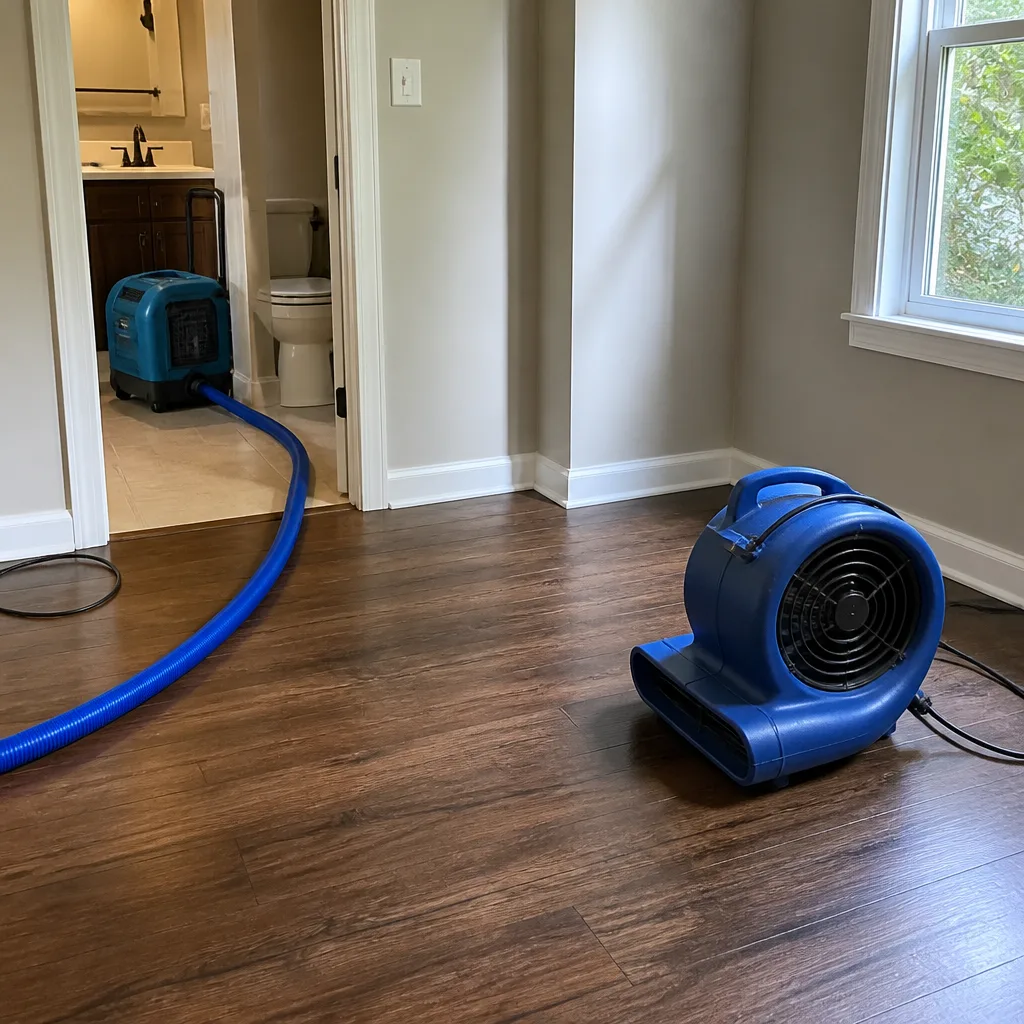
- Equipment placement. We set professional-grade dehumidifiers like the Phoenix or XPOWER units and high-velocity air movers, including B-Air models, positioned to create airflow across wet surfaces and inside wall cavities. In tight spaces, we use Injectidry systems that push dry air directly into wall and ceiling voids.
- Daily monitoring. Every day, our techs return to take new moisture readings. We track drying progress against the initial baseline and adjust equipment as needed. You don’t chase us for updates. We show up and do the work.
- Final verification and equipment removal. When moisture readings in all affected materials return to normal levels, we document it, pull the equipment, and walk you through the results. Then we apply our 365-Day Done Right Promise in writing, right there on the job summary.
Structural Drying & Dehumidification Pricing in Brooklyn
Here’s the honest math. Water damage restoration cost depends on three things: how many rooms are affected, how long the water sat, and what building materials absorbed it. Here’s what we typically see across Brooklyn:
| Scope of Work | Typical Brooklyn Price Range |
|---|---|
| Single room, clean water, caught within 24 hours | $1,800 – $2,600 |
| Two to three rooms with moderate saturation | $2,800 – $4,500 |
| Whole-floor or basement saturation, multiple days | $4,500 – $7,000+ |
| Add-on: Antimicrobial application | $175 – $400 per room |
| Add-on: Content drying or pack-out | $350 – $1,200 depending on volume |
Every price includes equipment, daily monitoring, labor, and final documentation for your insurance claim. Some Brooklyn townhouses and brownstones have tight stairways and angled walls that make equipment placement slower, which can add to labor time. We don’t surprise you at the door. The written price is the price, and estimates are always free. Call (607) 399-3439 and we’ll send someone to measure and quote, not to sell.
Why Brooklyn Homes Need Aggressive Drying
Brooklyn building stock fights against you when water gets inside. Most of Park Slope, Fort Greene, Clinton Hill, and Bed-Stuy is prewar construction with plaster walls, dimensional lumber, and decades of layered renovations. Plaster holds water differently than modern drywall. Old-growth framing is dense and slow to release moisture. And basements in Gowanus, Red Hook, and parts of Flatbush sit near high water tables, so subfloor and foundation walls often carry persistent ambient moisture even before a leak. When you add a water event to that, drying requires more than a few box fans from a hardware store. Our crews work to IICRC and RIA standards, the benchmarks for professional restoration, and we use the same XPOWER, B-Air, and Injectidry equipment that commercial crews run on large losses. That matters when the goal is making sure water is gone from places you can’t see.
What Happens If You Skip Proper Drying
Skipping structural drying is how small water damage becomes a mold remediation project. Within 48 to 72 hours, damp drywall, insulation, and wood framing in a Brooklyn home can support mold growth. Here’s the sequence we see all too often: a homeowner runs a fan for a few days, the surface feels dry, the drywall gets painted over, and six weeks later there’s a musty smell, peeling paint, or a family member with new allergy symptoms. By then, the repair is bigger and more expensive than the original drying job. Professional structural drying exists to interrupt that sequence. We measure moisture inside the wall cavity, not on the surface. When our meters say the framing is at normal moisture content, we document it. That documentation also helps with insurance claims that require proof of professional mitigation.
Equipment We Use and Why It Matters
Not all drying equipment is the same. The XPOWER and B-Air air movers we deploy move enough cubic feet per minute to create real evaporation across wet materials. Phoenix dehumidifiers pull moisture from the air at rates that consumer units can’t match. And Injectidry systems let us dry the inside of wall and ceiling cavities without ripping out every piece of drywall, which in a Brooklyn brownstone means less demolition, lower repair costs, and a faster return to normal. We explain every piece of equipment in plain language before it runs. You’ll know what each machine is doing and why it’s placed where it is.
FAQs – Structural Drying & Dehumidification
How much does structural drying cost in Brooklyn?
Structural drying in Brooklyn typically costs between $1,800 and $4,500 for most residential water damage, with larger or long-standing jobs running higher. What you actually pay depends on affected square footage, how long the water sat, and whether wall cavities or subfloors were saturated. Call (607) 399-3439 for an exact quote. Estimates are free and we put every price in writing before any work starts.
How long does structural drying take in a Brooklyn home?
Most structural drying jobs in Brooklyn take three to five days, though deeper saturation in plaster walls or old-growth framing can extend that. We monitor moisture daily and only remove equipment when readings confirm the structure is dry. If you’re filing an insurance claim, we provide daily drying logs your adjuster can review.
Can you come today?
Yes. We keep crews available for same-day response across Brooklyn, and a live person answers our phone 24 hours a day at (607) 399-3439. We’ll give you a named arrival window and show up in Dryden uniform with identification you can verify at the door.
Is structural drying covered by homeowner’s insurance?
Most Brooklyn homeowner policies cover structural drying when the water damage is sudden and accidental, such as a burst pipe or a supply line failure. Damage from long-term leaks or lack of maintenance may not be covered. We document every drying job to IICRC and RIA standards, which helps when you’re submitting a claim, and we’ll walk you through the claim paperwork if you need help.
Will I need to tear out drywall or flooring?
Not always. With Injectidry systems and professional dehumidification, we can often dry wall cavities and subfloor without full demolition. If removal is necessary, it’s because the material has been compromised and would fail later. We only recommend removal when leaving it in place would risk mold or structural damage, and we explain the reasoning before anything gets cut.
Call Dryden Restoration Brooklyn for Structural Drying
When water gets into the bones of your Brooklyn home, drying it properly is the difference between a repair that lasts and one that fails quietly behind the drywall. We’re the Kingswell company that writes the price down before a tool is touched, sends background-checked uniformed technicians who show up in the window we gave you, and puts a 365-Day Done Right Promise on every job in writing. If the repair fails inside that year, we come back and fix it at no charge. That’s the deal. Call (607) 399-3439 now for a free estimate. A live person answers, day or night.
Written by Carl Brandt, Owner at Dryden Restoration Brooklyn, serving Brooklyn.