
Last updated October 16, 2026
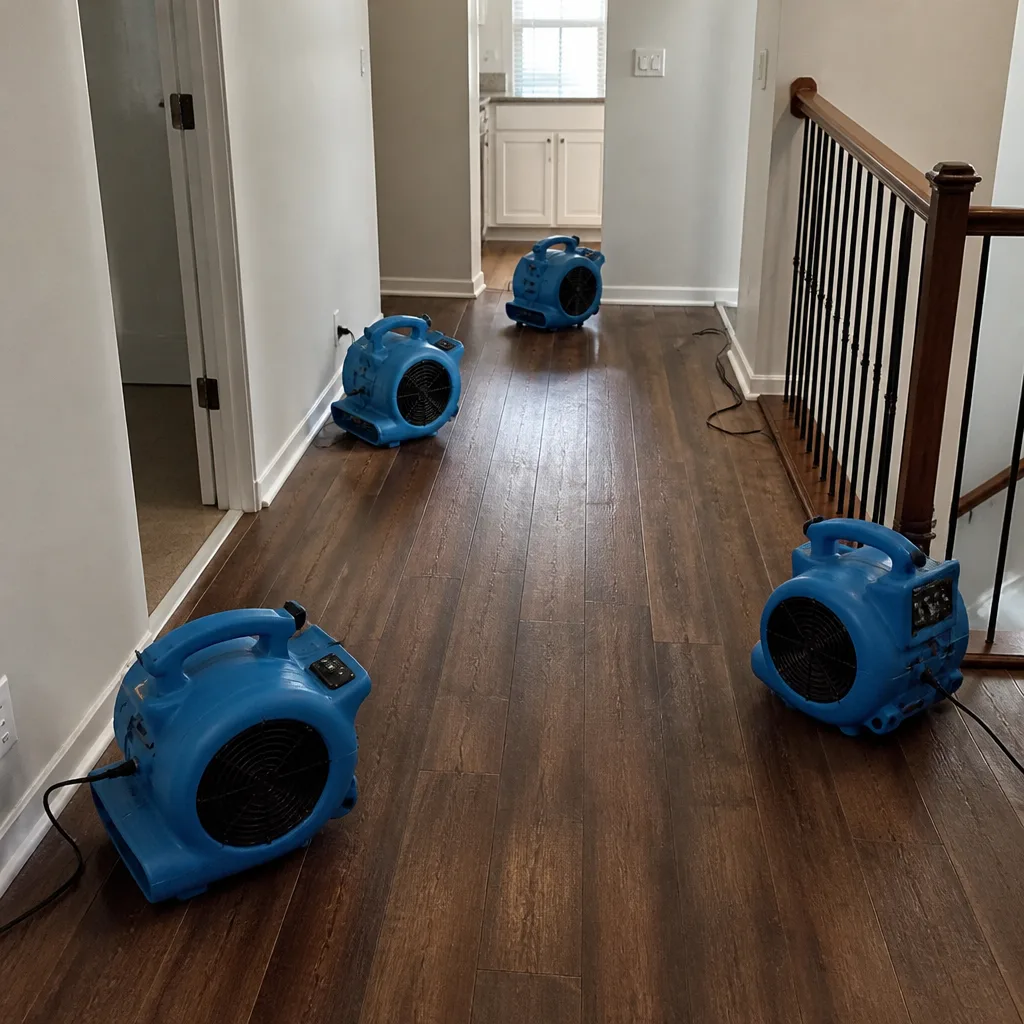 Water damage drying
 Fire & smoke cleanup
 Mold remediation
 Storm response
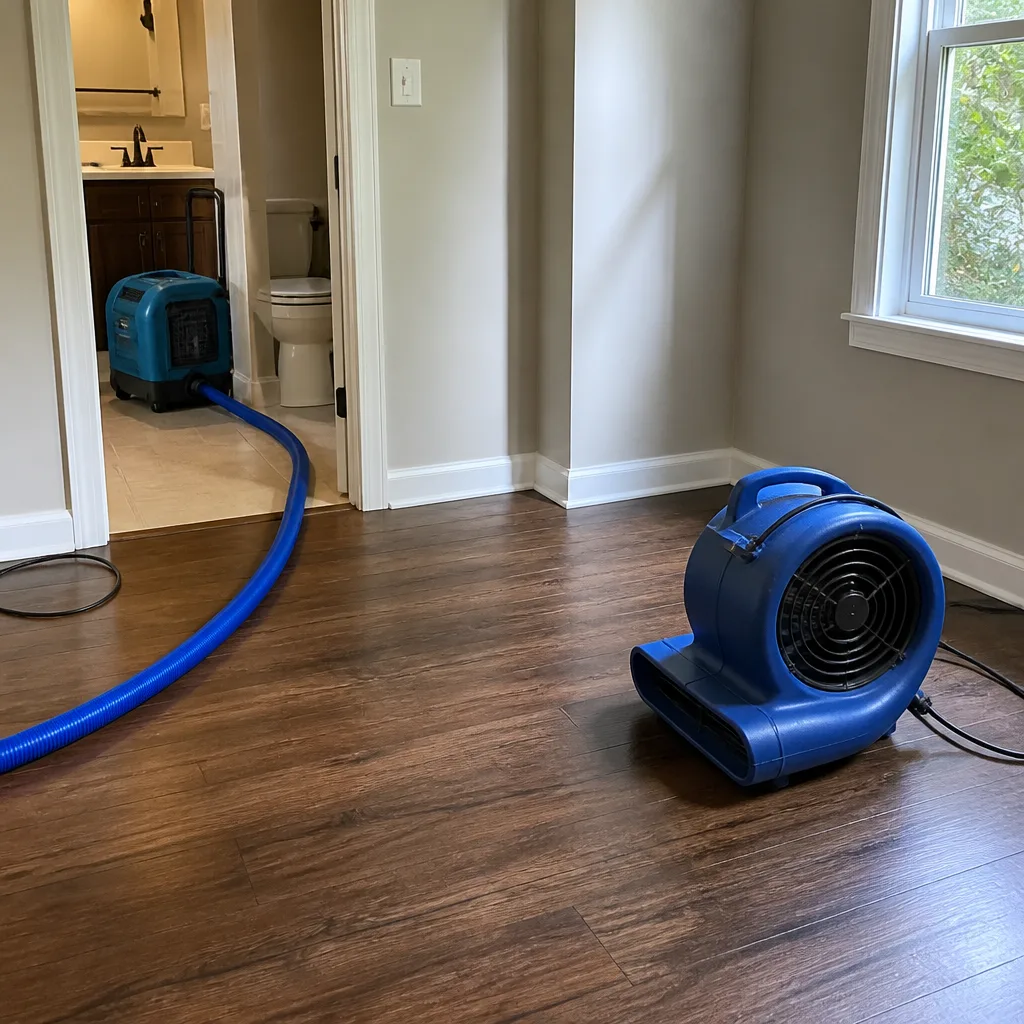 Sewage cleanup
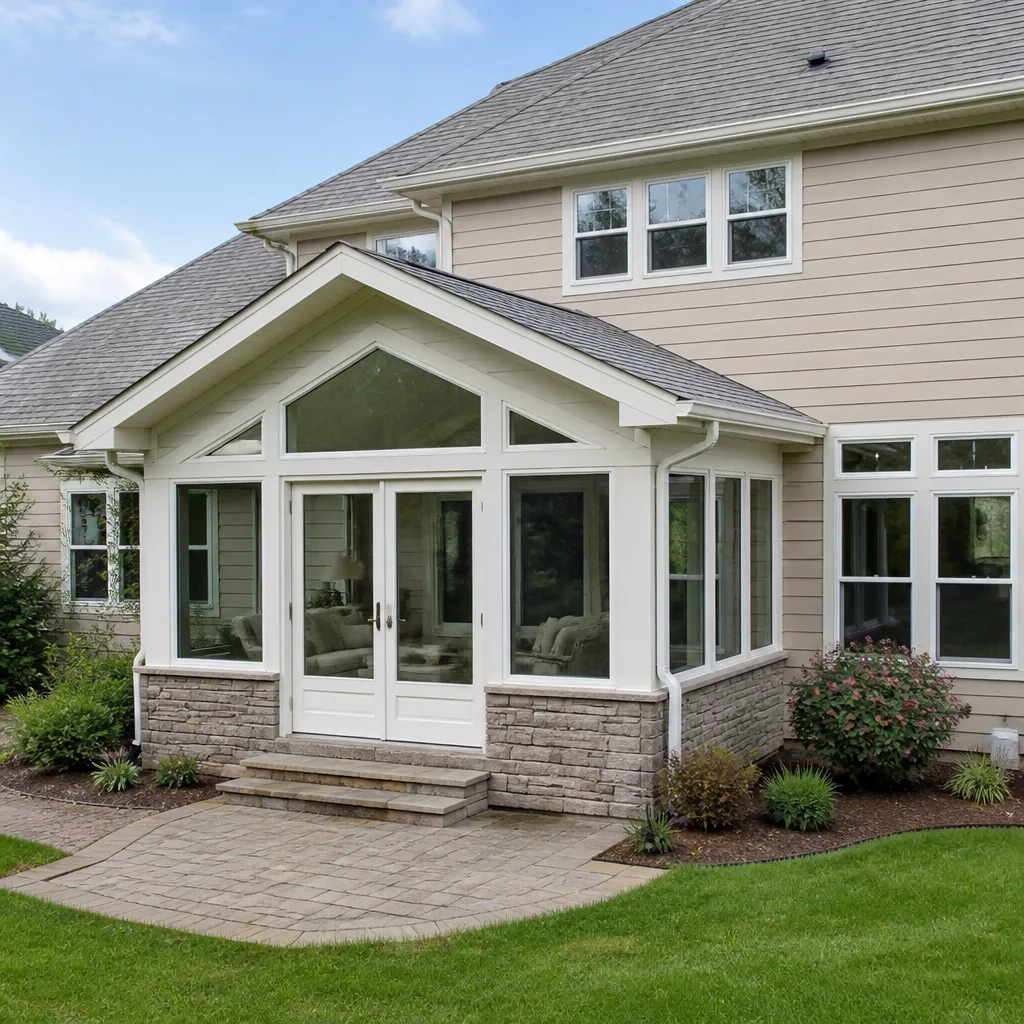 Reconstruction
Free visual inspection and a written scope of work before any mitigation begins - photos, moisture readings, and drying logs go in your claim file
The scope we write is the scope we bill. Anything new gets shown to you, in writing, before we touch it.
Get your free estimateDIY vs Professional Damage Restoration: The Brooklyn Homeowner’s Decision Guide
In January 2024, a Greenpoint homeowner on Java Street pumped out a flooded basement with a rented sump pump, set up four box fans from Home Depot, and called it done. The $800 he saved on mitigation evaporated six months later when his insurer denied a $14,000 mold remediation claim. The adjuster’s report cited incomplete drying documented by moisture readings the homeowner never took. In Brooklyn, where prewar rowhouses meet hundred-year-old plumbing and groundwater that never quits, the DIY question is rarely about effort. It is about category of water, age of the building, and what your insurance carrier will accept as proof. This guide walks through the real decision points, the ones Brooklyn homeowners actually face, and where the line between reasonable self-help and expensive liability sits. For more guides & resources, visit our blog.
Quick Answer
DIY damage restoration is reasonable only for small, clean-water spills under 10 square feet in modern construction where the water source is known and stopped. For Category 2 or 3 water, any event involving a pre-1978 building that may disturb paint or insulation, water from outside or from sewage backups, or any loss you intend to file on insurance, professional restoration is cheaper in real terms. In Brooklyn, most basement flooding falls into the professional category on day one.
Restoration work we handle
Table of Contents
- The Water Category Framework: Why Brooklyn Basements Are Almost Never Category 1
- Lead Paint and Asbestos: The Pre-1978 Brooklyn Reality
- How Insurance Documentation Actually Works: What a Claim Needs
- What Is Reasonable to DIY
- What Creates Bigger Problems: The DIY Traps
- Using a Professional Assessment as a Scoping Tool
- Real Cost Comparison: DIY vs Professional in Brooklyn
- Common Mistakes to Avoid
- When to Call a Professional
- Frequently Asked Questions
The Water Category Framework: Why Brooklyn Basements Are Almost Never Category 1
Restoration professionals classify water damage into three categories, per the IICRC S500 standard. Category 1 is clean water: a supply line break, an overflowing sink with no contaminants, a bathtub that spilled onto a tile floor. Category 2 is significantly contaminated water, also called gray water: washing machine discharge, dishwasher overflow, sump pump failure where the water sat, any water that has begun to support microbial growth. Category 3 is grossly contaminated, or black water: sewage, canal overflow, street flooding that entered the home, anything carrying pathogens.
The category determines what can be dried in place and what must be removed. Category 1 in a modern building with non-porous surfaces may be safely dried with household equipment. Category 2 or 3 involves materials that cannot be salvaged: carpet pad, drywall that has wicked water, insulation. No amount of fan time converts Category 3 drywall back to Category 1.
Brooklyn’s geography pushes most basement events into Category 2 without anyone noticing. The water table in neighborhoods like Gowanus, Red Hook, and parts of Williamsburg sits high enough that groundwater intrusion is constant. Sump pump failures happen during the same storms that overload the combined sewer system, meaning the water in the basement often includes municipal backflow. Even a clean water supply line break becomes Category 2 if the water pooled for more than 24 hours before discovery, which is common in the garden-level apartments and unfinished cellars that make up much of Brooklyn’s housing stock.
The practical takeaway: if you can see the water source, it is inside the house, it was clean when it started, it covers less than 10 square feet, and you found it within a few hours, you may be in Category 1 territory. If any of those conditions fails, treat it as professional-grade.
This is where the Greenpoint example matters. The homeowner assumed a flooded basement from a backed-up floor drain was “just water.” It was Category 2 by the time he finished pumping, with 18 hours elapsed and organic debris in the water. In our experience at Dryden Restoration Brooklyn, most calls that start with “we tried to dry it ourselves” involve Category 2 water that was treated as if it were Category 1.
Lead Paint and Asbestos: The Pre-1978 Brooklyn Reality
Roughly 70 percent of Brooklyn’s residential buildings predate 1978. That is the year residential lead paint was banned in the United States. Most brownstones, rowhouses, and prewar apartment buildings in neighborhoods like Park Slope, Bed-Stuy, Crown Heights, Flatbush, and Bay Ridge contain lead paint under newer layers. Many also contain asbestos in pipe insulation, floor tiles, and even plaster.
Here is the part most DIY damage restoration tutorials skip: federal and New York City regulations govern what you can disturb, and how. Under both EPA Renovation, Repair, and Painting (RRP) rules and New York City Local Law 31, any demolition or renovation work in a pre-1978 building that disturbs more than two square feet of painted surface in a room, or more than 20 square feet on an exterior, requires a certified renovator and specific containment. Water damage restoration often involves cutting out drywall, removing baseboards, pulling up flooring. All of that can breach the two-square-foot threshold quickly.
The health risk is real, but the resale and legal risk is often what surprises people. Brooklyn residential transactions in older neighborhoods routinely include lead disclosure documents. A seller who performed unpermitted, uncertified demolition during a DIY water damage repair has created a liability that must be disclosed or risk a lawsuit after closing. We have seen homeowners spend more on retroactive lead abatement and legal counsel than the original restoration would have cost.
Asbestos compounds the problem. Pre-1980 pipe insulation and vinyl floor tiles frequently contain asbestos. Flooding soaks these materials. When you rip them out and bag them yourself, you may be generating regulated asbestos-containing waste without knowing it. New York City has specific disposal requirements. A contractor’s standard waste removal does not cover it. This is not a corner worth cutting.
The professional path handles this as part of the scope. A proper restoration crew performs material testing before demolition begins, and any licensed abatement is scheduled as part of the job. That is not an upsell; it is a legal requirement built into the work.
How Insurance Documentation Actually Works: What a Claim Needs
Insurance claims for water damage in Brooklyn come down to documentation. The carrier’s adjuster was not in your basement when the pipe broke. Everything they know comes from what you produce. Their job is to determine: (1) what damage resulted from the covered loss, (2) whether you took reasonable steps to prevent further damage, and (3) whether the cost to repair is accurate.
Photographs are the baseline. Not one photo of a wet floor. You need the water at its worst, the water line on drywall, the affected room from multiple angles, the source of water if visible, any damage to contents, and serial numbers of damaged appliances. The documentation must show progression: the loss event, the mitigation effort, the drying process, and the final condition. Gaps in the timeline are where claims get denied or reduced.
Beyond photos, insurers increasingly expect moisture readings. A professional mitigation company uses psychrometric equipment to measure moisture content in materials and relative humidity, or RH, in the air. Those readings establish that the property was actually dry at the end of the process, not just dry to the touch. The Greenpoint homeowner had no moisture logs. When the mold appeared months later, the adjuster could not determine whether the mold was a continuation of the original loss or a new event caused by incomplete drying. The claim was denied as a result of maintenance failure, not the original water event.
Professional mitigation companies generate this documentation as part of the work: photo logs, moisture readings before and after, equipment placement records, and a written drying plan. That is the paper trail your carrier expects. DIY efforts almost always leave it out. You are not paying for just the drying; you are paying for the evidence the insurer uses to approve the claim.
What Is Reasonable to DIY
We do not tell Brooklyn homeowners that every water event requires a professional crew. There are specific scenarios where self-help is entirely sensible, though you should first consult our How to Hire a Damage Restoration Contractor in Brooklyn: A Step-by-Step Guide if you’re unsure.
Clean-water supply line spill, less than 10 square feet, on non-porous flooring. A kitchen sink line that sprays a tile floor for a few minutes before you shut the valve. A toilet supply line that leaks onto a porcelain floor. Soak up the water with towels, run a dehumidifier for 24 to 48 hours, and inspect the affected area for staining or warping. This is Category 1, limited scope, and a homeowner with basic competence can manage it.
A crawl space with routine condensation that stays dry in summer. Brooklyn homes with shallow crawl spaces sometimes get seasonal dampness that is not an active leak. Installing a dehumidifier, grading soil away from the foundation, and ensuring vents are clear are all reasonable homeowner tasks. If the moisture is persistent enough to produce water stains on joists, that crosses into professional territory because the issue is often drainage, an undersized vapor barrier, or a plumbing leak hidden behind the dampness.
Documenting damage before anyone arrives. If you are going to file a claim, photograph everything before you move anything. Even if a professional crew is coming, the photos you take in the first minutes are evidence. Do that yourself. It costs nothing and protects your position.
Containing the source temporarily. If a pipe is actively leaking and you can reach the shut-off valve safely, turn it off. If water is coming through a ceiling, catch it in buckets and move contents out of the path. These are stopgap measures to reduce damage, not the restoration itself.
IICRC-aligned guidance draws the line where the water origin is uncertain or any materials beyond non-porous flooring are saturated. Drywall, hardwood, cabinets, trim, and any insulation absorb water and create hidden cavities where mold can establish within 48 to 72 hours. Once those materials are wet, the job is no longer a DIY-scale task.
What Creates Bigger Problems: The DIY Traps
Some of the most common DIY responses to water damage in Brooklyn make the repair significantly more expensive when a professional finally gets involved. The damages compound.
Painting over water stains. This is the classic. A water stain on a plaster or drywall ceiling gets a coat of stain-blocking primer, and the homeowner considers the issue resolved. But the stain indicates moisture reached the surface. If the cavity behind it was never dried, mold develops invisibly. A year later, a small stain has become a remediation project requiring drywall removal, cavity drying, and insulation replacement.
Sealing a damp masonry wall from the inside. Brooklyn basements with stone or brick foundations often show efflorescence, the white powdery mineral deposits that form as water moves through masonry. Homeowners apply waterproof masonry sealer, Drylok or similar, over the interior face. That traps moisture in the wall. In freeze-thaw cycles, the trapped water can spall the masonry face. The proper solution addresses the water on the exterior side: grading, drainage, a functioning sump, maybe a French drain. Interior sealing makes the problem invisible while the wall degrades.
Drying with household fans and hoping. A box fan moves air across the surface. It does not remove moisture from structural materials. Without controlling the humidity in the enclosed space, you are recirculating damp air. The air warms, the relative humidity stays high, and mold has exactly the environment it needs. This is the single most frequent failure mode we see: the homeowner did the observable parts of drying without understanding the psychrometric requirements.
Ignoring a musty smell as “old basement.” A persistent musty odor in a Brooklyn cellar is nearly always microbial activity somewhere. Not always a major mold problem, but a signal worth investigating. If the smell returns after cleaning, there is a moisture source that has not been addressed. Waiting converts a drying job into a mold remediation job.
Using a Professional Assessment as a Scoping Tool
You do not have to hire a full restoration crew to benefit from professional expertise. In Brooklyn, a paid inspection from an IICRC-certified water damage professional typically costs $150 to $400, depending on travel and scope. What does that hour buy you?
A written category determination. The inspector identifies whether the water is Category 1, 2, or 3, based on source and condition. You walk away knowing whether materials need removal or can be dried in place. That single piece of information determines whether you can handle the job yourself at all.
Moisture readings with professional equipment. We run a moisture meter over walls, floors, and hidden cavities, and measure the ambient RH. You now know the actual scope of wet materials, not the visible scope. Moisture travels sideways through wicking; a wet area in one corner can have fed moisture under the flooring into an adjacent room.
A written scope of work and price. If you decide to hire the professional, the assessment becomes the basis of the written estimate. At Dryden Restoration Brooklyn, every job gets a written price before any work starts. That number does not change at the door. Since 2005, that has been standard practice, not an exception.
A list of materials and tasks you can do yourself. A straightforward inspector will be honest about what is reasonable for a homeowner. If the recommendation is that you can manage the structural drying but need a professional for drywall replacement, you now know that. The inspection pays for itself in avoidance of unnecessary work.
This approach also buys you peace of mind: you spend a couple hundred dollars, get a definitive assessment, and make an informed decision. If you do the work yourself and it fails, you have no fallback. If a professional does the work and it fails, you have a guarantee to enforce.
Real Cost Comparison: DIY vs Professional in Brooklyn
The numbers matter. Here is what homeowners in Brooklyn actually pay, based on the calls we take and the jobs we scope.
| Scenario | DIY Cost (Approx.) | Professional Cost (Approx.) |
|---|---|---|
| Clean water spill, under 10 sq ft, non-porous floor | $0 – $100 (towels, fan, dehumidifier rental) | $150 – $350 for an assessment and surface drying |
| Sump pump failure, finished basement, 200 sq ft wet carpet and drywall | $500 – $900 (rented extractor, fans, dehumidifier, carpet pad disposal) | $2,500 – $5,000 (extraction, containment, structural drying, drywall repair) |
| Category 2 water, basement with drywall and insulation saturated | Not recommended; hidden moisture risk | $4,000 – $8,500, depending on finish level and liner replacement |
| Mold remediation after incomplete DIY drying | N/A | $8,000 – $20,000+ depending on square footage and material removal |
| Pre-1978 rowhouse, water damaged, lead paint disturbed | Legal liability; abatement fines from EPA start at $5,000 | Included in professional scope with certified handling |
The pattern is consistent. DIY savings are real in the smallest, cleanest scenarios. The savings disappear once structural materials are involved because the failure state is expensive. What the table cannot show is the insurance claim risk. A professional mitigation job includes documentation your adjuster accepts. A DIY job leaves you proving the negative: that you dried the space completely and the later problem was not your fault.
Common Mistakes to Avoid
- Using a household fan instead of controlling humidity. Air movement without dehumidification recirculates moist air. It makes the basement feel drier while materials stay wet, especially in Brooklyn’s humid summers.
- Treating all flooding as clean water. Brooklyn basements with floor drains connect to combined sewers. When the drain backs up, the water is at least Category 2. The source determines the response.
- Skipping lead testing before demolition in a pre-1978 building. Cutting open a wall in a Park Slope brownstone without testing is a regulatory violation with health consequences. Test before you disturb.
- Not documenting the damage before starting cleanup. Photos taken after you have already moved wet contents and cut out drywall are not the same evidence. Photograph at the worst point.
- Accepting an estimate without a written scope. Any contractor who will not put the scope, the price, and the drying plan in writing before starting should not be in your home. Dryden Restoration Brooklyn operates under The Kingswell Guarantee: a written price before work begins, a committed arrival window, and a written 365-Day Done Right Promise on every job.
- Using paint as a mold solution. Paint covers the stain. It does not address the moisture that caused it. The mold keeps growing behind the paint until the cavity is properly dried.
- Waiting to address a musty smell. That smell is evidence of a moisture source. Every month of delay expands the affected area and raises the remediation cost.
When to Call a Professional
Call a professional if the water is Category 2 or 3, if structural materials like drywall or flooring are saturated, if the building was built before 1978 and demolition is needed, if you intend to file an insurance claim, or if you have any doubt about the water source. A professional crew addresses the full problem: extraction, structural drying with equipment like Dri-Eaz dehumidifiers and Phoenix air movers, contaminated material removal, and documentation your insurance carrier will accept. Dryden Restoration Brooklyn offers free estimates in Brooklyn. Call (607) 399-3439 and a live person answers, twenty-four hours a day, seven days a week.
Frequently Asked Questions
Category 1 water comes from a clean source, like a supply line or an overflowing bathtub, and has not been sitting long. If the water came from outside, from a drain or sewage line, had debris in it, or sat for more than 24 hours, treat it as Category 2 or higher. In Brooklyn basements, floor drains tie into combined sewers, so backups frequently qualify as Category 2 even when the water looks clear. When in doubt, call a professional for a category determination.
Most basement water damage jobs in Brooklyn fall between $2,500 and $8,500, depending on the water category, square footage, and finish level. A small clean-water spill might cost as little as $150 to $350 for an assessment and surface drying. Mold remediation after delayed or incomplete drying can exceed $20,000. Dryden Restoration Brooklyn provides a written price before any work starts, so you always know the number upfront.
Most homeowner policies cover sudden and accidental water damage from internal sources, like a burst pipe or a failed water heater. Flooding from external water, including groundwater and most sewer backups, typically requires separate flood or sewer backup coverage. The key is documentation: your carrier needs photographic evidence of the loss and moisture readings showing complete drying. Use our Water Damage Restoration Maintenance Checklist for Brooklyn Homeowners to stay prepared. Professional restoration companies generate this paperwork as part of the job.
Only for small, clean-water spills on non-porous surfaces. Structural materials, like drywall, insulation, hardwood, and carpet pad, absorb water into hidden cavities where household equipment cannot effectively dry them. Improper drying leaves moisture that supports mold within 48 to 72 hours. If the water category is uncertain or structural materials are wet, hire a professional using commercial-grade equipment like Dri-Eaz and Phoenix systems.
First, stop the water source if you can do so safely. Second, photograph everything before moving anything. Third, remove valuables from the wet area. Fourth, call your insurance company to open a claim if the damage is significant. Fifth, call a local restoration company like Dryden Restoration Brooklyn at (607) 399-3439 for a professional assessment, and ask about a one-hour inspection for a written category determination and scope of work.
Mold can begin growing within 48 to 72 hours in warm, damp conditions. Brooklyn summers with high ambient humidity accelerate this timeline. The critical window for drying is the first 48 hours. After that, the risk of mold colonization increases substantially, and any materials that remain saturated may require removal rather than drying in place.
The Bottom Line
The DIY-versus-professional decision for damage restoration in Brooklyn is not fundamentally about effort. It is about the water category, the building’s age, and the insurance claim. Category 1 water in modern construction is manageable with household effort. Everything beyond that, or any pre-1978 building, or any insured loss, belongs with professionals. The homeowner who treats a Category 2 basement flood as a DIY project saves a few hundred dollars on mitigation and risks thousands on mold remediation and a denied claim. When in doubt, get the professional assessment. The inspection is inexpensive, the information is definitive, and the guaranteed work comes with something no DIY project can: a written promise to come back if it fails. Water Damage Restoration in Brooklyn starts with a free estimate. Mold Remediation in Brooklyn is what you want to avoid needing. And Fire Damage Restoration in Brooklyn is another service we provide, but the same principle applies: get the professional on it early, before the problem compounds.
Written by Carl Brandt, Owner at Dryden Restoration Brooklyn, serving Brooklyn since 2005.
See the difference
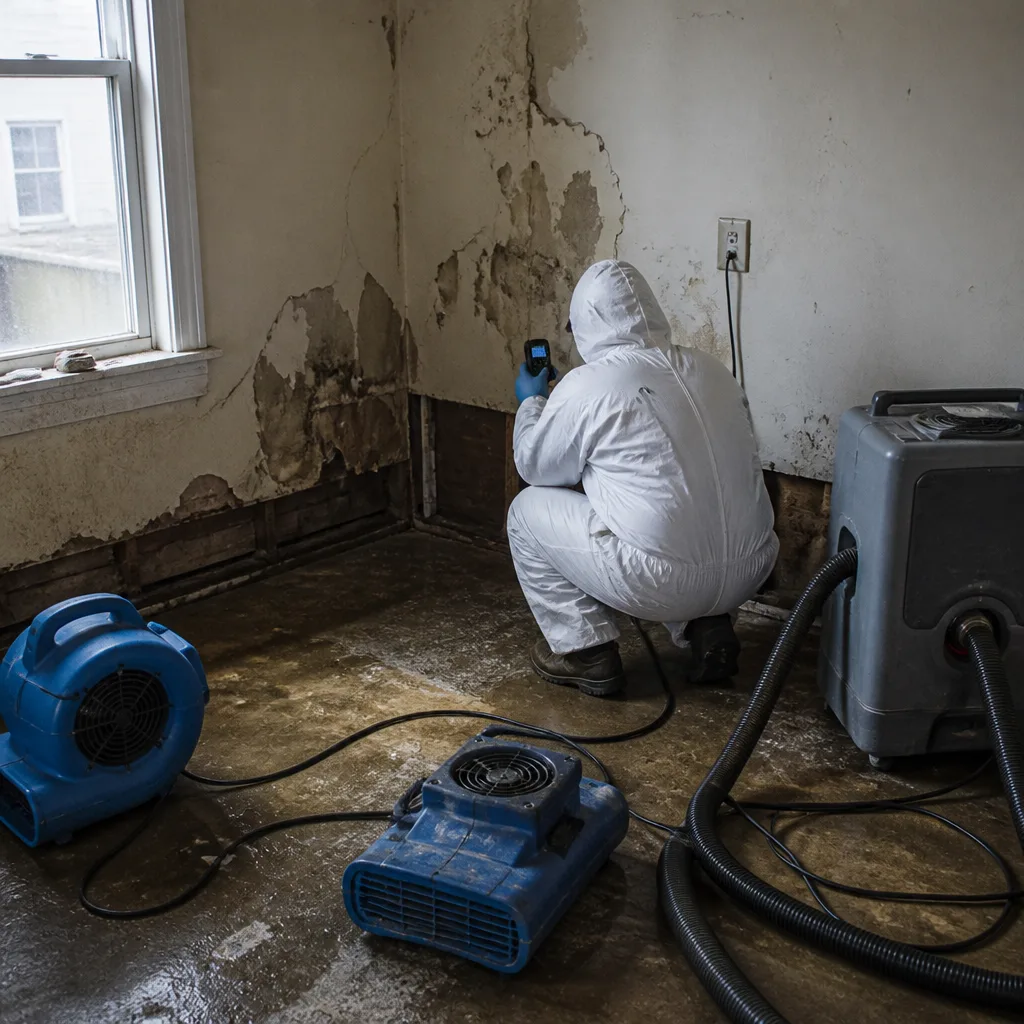 Before
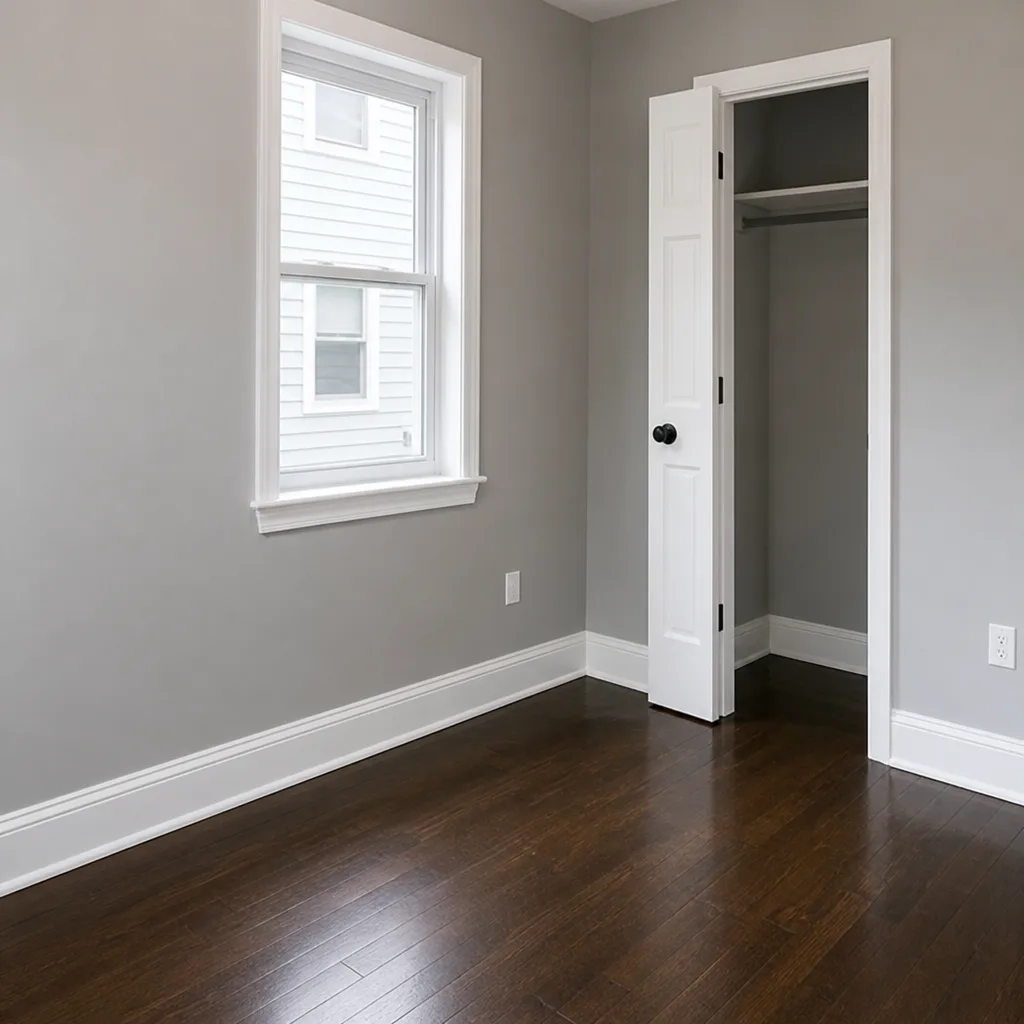 After
After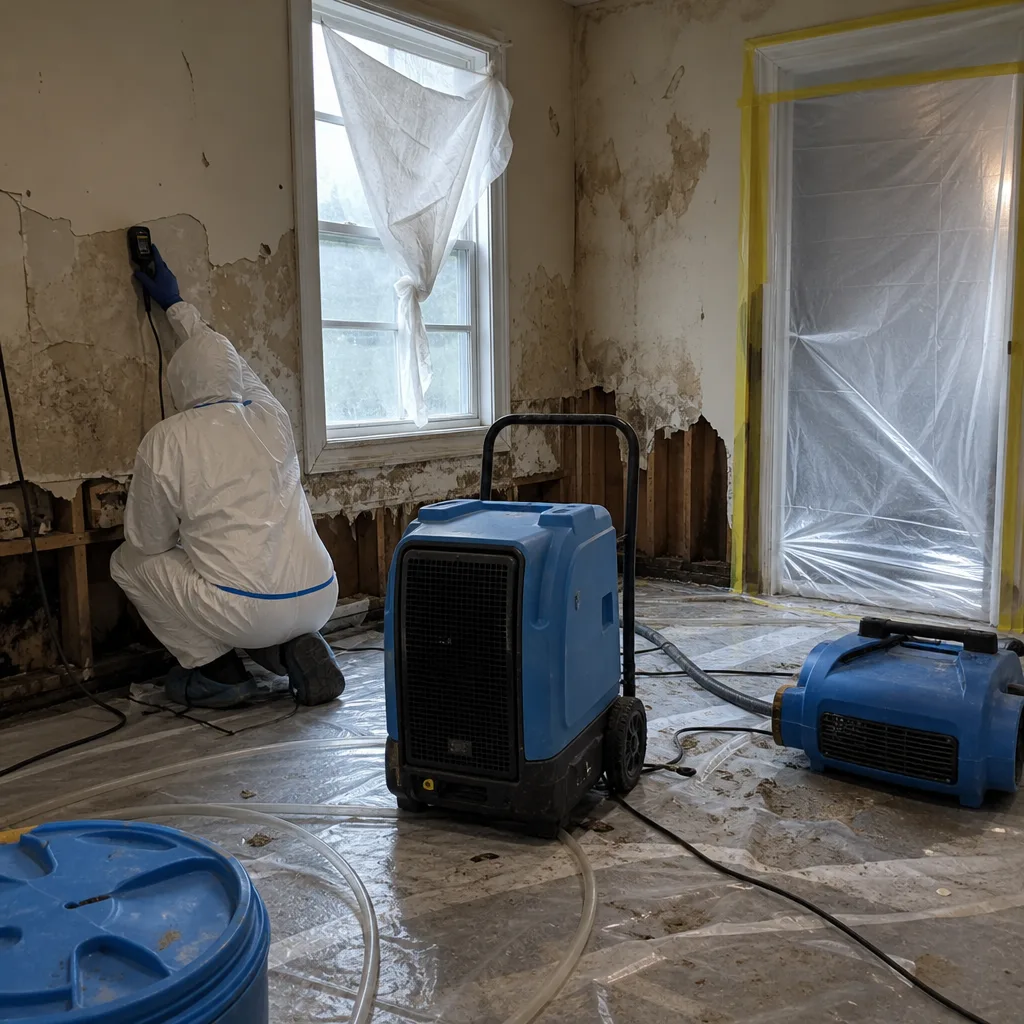 Before
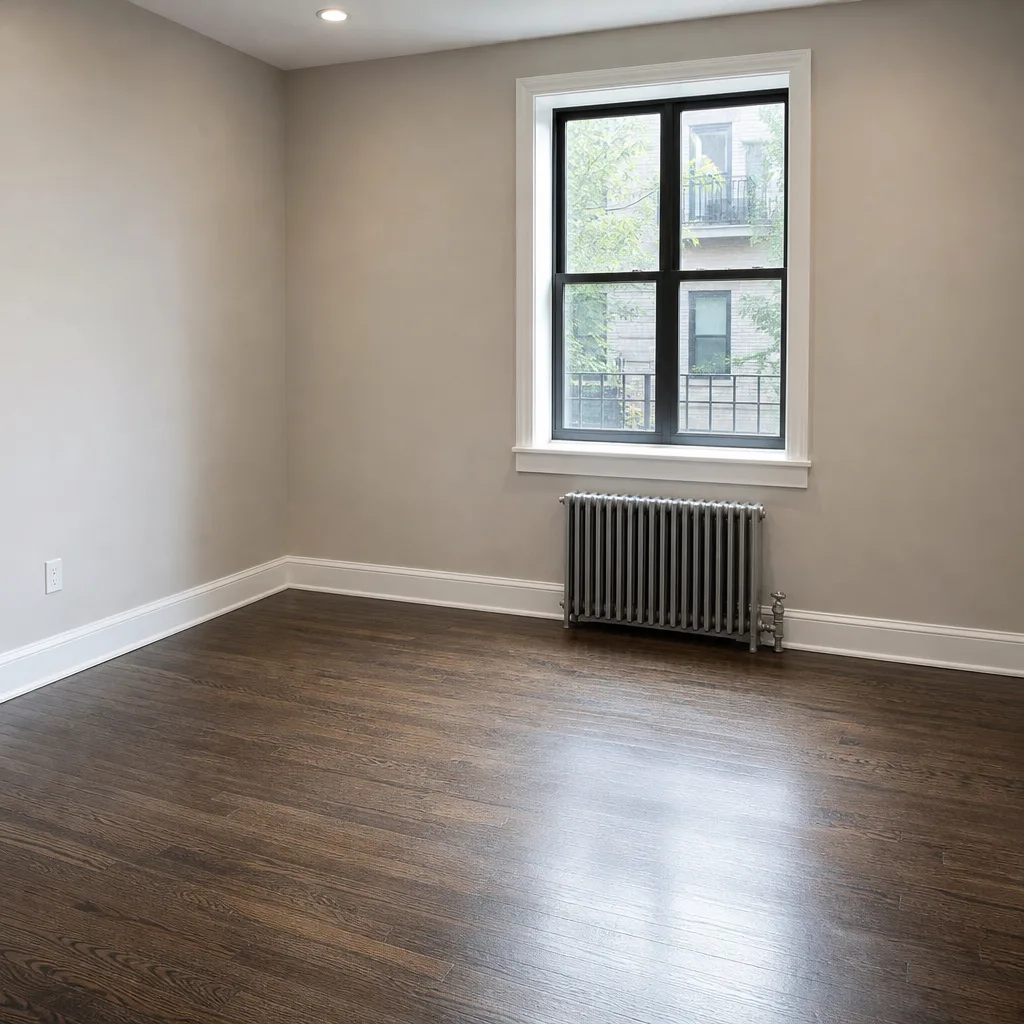 After
After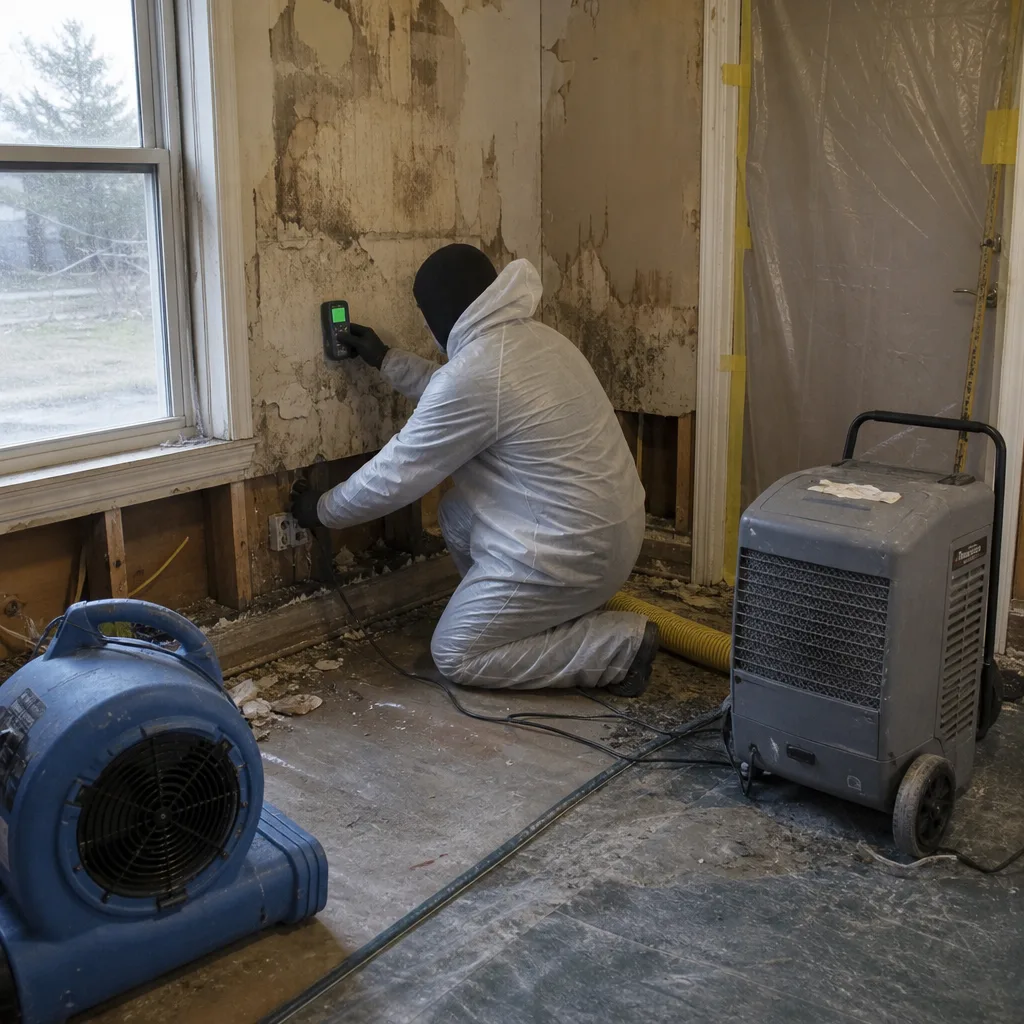 Before
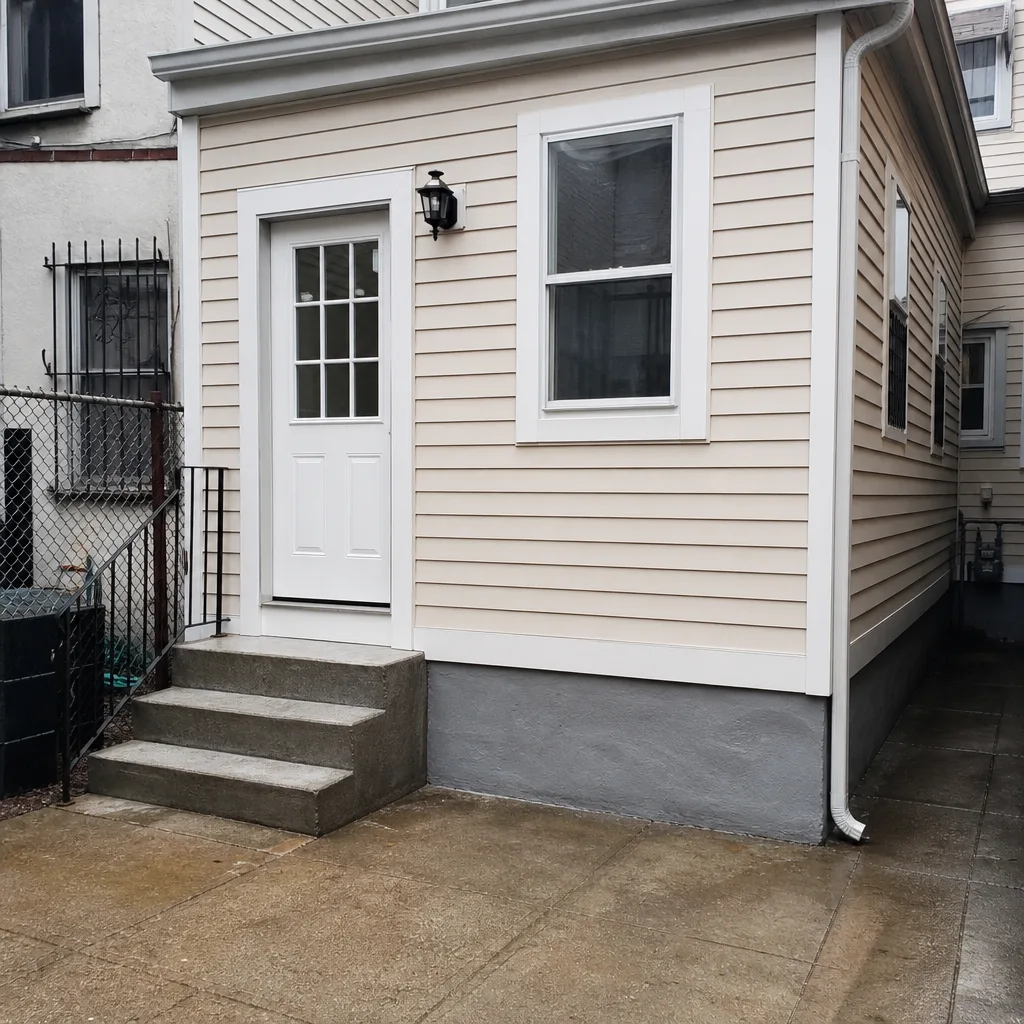 After
After