
Last updated October 16, 2026
 Water damage drying
 Fire & smoke cleanup
 Mold remediation
 Storm response
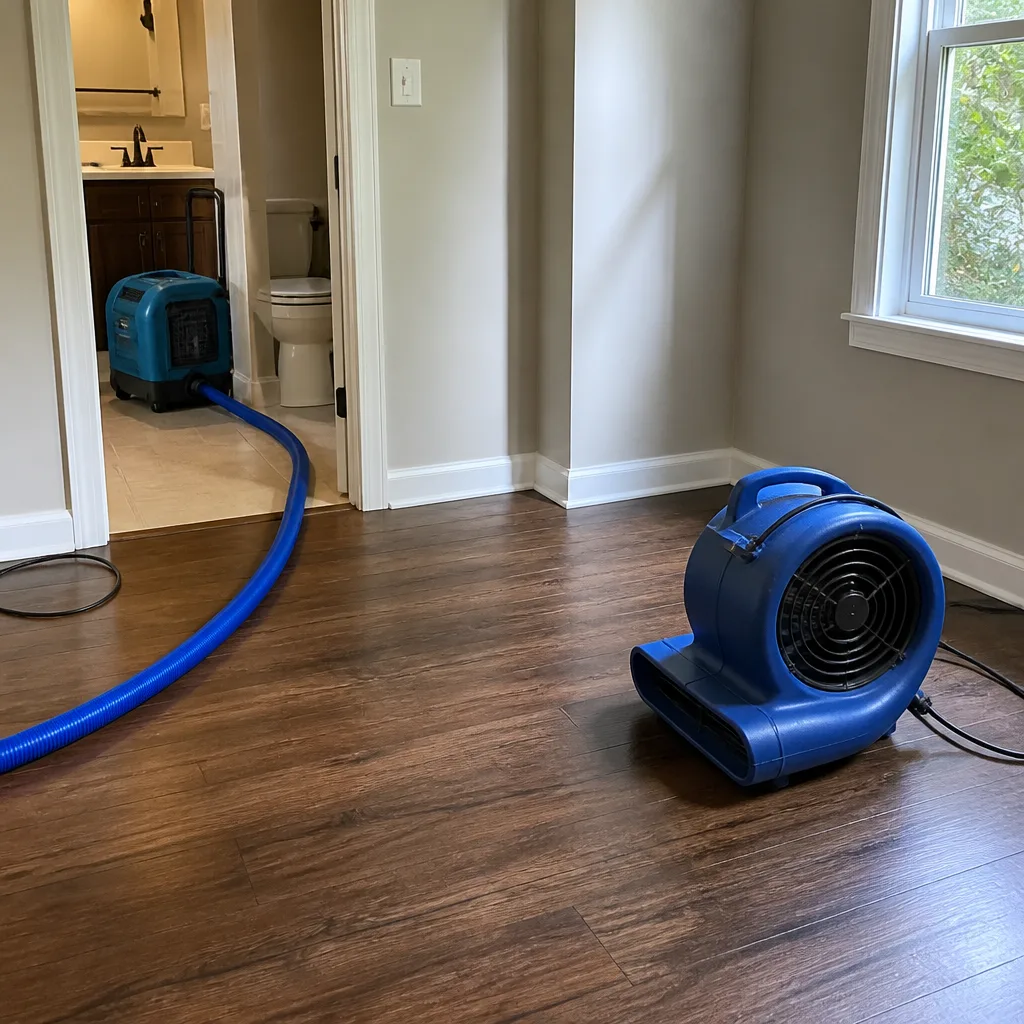 Sewage cleanup
 Reconstruction
Free visual inspection and a written scope of work before any mitigation begins - photos, moisture readings, and drying logs go in your claim file
The scope we write is the scope we bill. Anything new gets shown to you, in writing, before we touch it.
Get your free estimateDamage Restoration Cost Breakdown: The Brooklyn Homeowner’s Reference for 2026
Most restoration cost guides pull their numbers from national databases that average together rural Mississippi, suburban Phoenix, and a dozen other markets that share nothing with Kings County. Those figures are not wrong. They’re just not Brooklyn, where labor rates, parking constraints, and access challenges in a prewar rowhouse can add 20 to 35 percent before the first dehumidifier gets plugged in. This guide gives you real numbers for Brooklyn jobs in 2026: what water, fire, and mold damage actually cost here, parsed by square footage and housing type, explained in plain English, and structured so you can build a working budget before you ever pick up the phone. For more guides & resources, see our blog.
Quick Answer
Water damage restoration in Brooklyn typically costs $3.50 to $7.50 per square foot for extraction, drying, and basic demolition, which puts a 500-square-foot basement job between $1,750 and $3,750. Fire damage restoration runs $8 to $22 per square foot depending on whether you’re dealing with smoke cleanup or full rebuild. Mold remediation averages $2,500 to $7,500 for a contained 100-square-foot area. The range is genuinely wide because the final number hinges on three things: water category, how long the water sat, and whether your building was constructed before 1978.
Restoration work we handle
Table of Contents
- Water Damage Restoration Costs by Category
- Brooklyn-Specific Cost Factors National Guides Miss
- What Insurance Covers in a Brooklyn Water Claim
- How to Read a Line-Item Restoration Estimate
- The Cost of Waiting: A Real Dollar Timeline
- Fire Damage Restoration Costs
- Mold Remediation Costs
- Common Mistakes to Avoid
- When to Call a Professional
- Frequently Asked Questions
Water Damage Restoration Costs by Category
The restoration industry uses a three-category system to classify water damage, and that classification drives the entire cost structure. Insurers use the same system. If you learn nothing else from this guide, learn these three categories, because they determine whether your claim gets paid and how much a contractor can reasonably charge.
Category 1 is clean water: a supply line break, an overflowing bathtub without contaminants, rainwater that entered through an open window. This is the least expensive to handle because the water itself didn’t introduce anything hazardous. Extraction, drying, and repairs for a Category 1 loss in Brooklyn run $3.50 to $5.50 per square foot. A 300-square-foot bedroom with a burst radiator line: roughly $1,050 to $1,650.
Category 2 is gray water: water that carries some contamination but no solid waste. Think washing machine overflows, dishwasher discharge, or water that sat in a Category 1 state for more than 48 hours and began growing bacteria. Brooklyn jobs in this category run $4.50 to $6.50 per square foot. The extra cost covers antimicrobial treatment on every affected surface and more aggressive drying. A 400-square-foot finished basement with a washing machine overflow: $1,800 to $2,600.
Category 3 is the serious one: black water, which includes sewage backups, street water entering through a sewer line, or floodwater from the Gowanus Canal area after a major storm. This carries pathogens, and the remediation required is substantially more involved. Expect $6.50 to $8.50 per square foot in Brooklyn. But the per-square-foot number is misleading here, because Category 3 work almost always includes demolition of porous materials like drywall, carpet, and insulation. A 500-square-foot basement with a sewage backup can easily reach $4,000 to $6,000 when you add disposal, containment, and post-remediation testing.
What Those Per-Square-Foot Numbers Include
- Extraction: removing standing water with truck-mounted or portable extraction units. $0.50 to $1.00 per square foot.
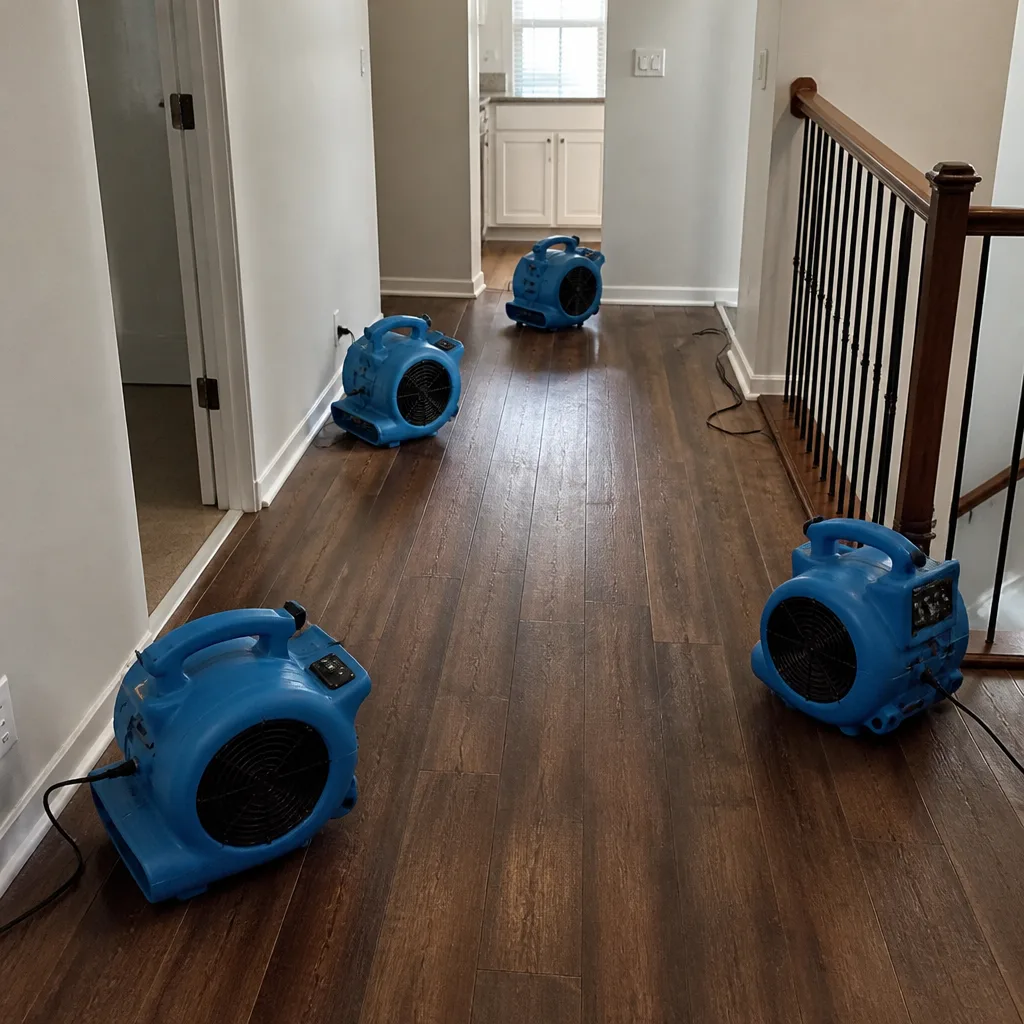
- Structural drying: industrial dehumidifiers and air movers running for 3 to 7 days. $2.00 to $4.00 per square foot including monitoring.
- Demolition: cutting drywall, pulling carpet, removing baseboard. $0.75 to $1.50 per square foot when needed.
- Antimicrobial treatment: applying EPA-registered products to prevent mold growth. $0.25 to $0.60 per square foot.
- Contents handling: moving and drying furniture and personal items. $300 to $800 per room depending on volume.
We tell Brooklyn homeowners the same thing on every Water Damage Restoration in Brooklyn job: the drying equipment line item is where you’ll see the biggest variation between honest contractors and the other kind. If a quote shows three days of drying for a Category 3 loss, that’s a red flag. In our experience, Category 3 jobs in Brooklyn basements need five to seven days of drying, minimum, because our climate keeps relative humidity stubbornly high from May through October.
Brooklyn-Specific Cost Factors National Guides Miss
Here’s what the national cost databases don’t capture: Brooklyn is one of the most logistically difficult markets in the country for restoration work. These factors are real, they’re measurable, and they add to every job we quote.
Parking alone changes the economics. A 40-foot trailer of drying equipment can’t park legally on a Carroll Gardens side street during alternate-side parking hours. Our technicians often park two or three blocks away and wheel equipment in on carts, which adds time and labor. On a mid-rise building in Park Slope or Brooklyn Heights, there’s no freight elevator, and the passenger elevator won’t fit a Dri-Eaz 1200 dehumidifier without removing the machine head and hand-carrying pieces. These are real costs, and they hit the labor line.
Pre-1978 construction adds another layer. Brooklyn’s housing stock is old. Very old. Any demolition in a pre-1978 building legally requires lead paint testing, and any insulation or pipe wrap disturbed during drying may require asbestos testing. A lead test costs $250 to $450. Asbestos abatement, if triggered, runs $1,500 to $3,000 for a small area. These are not optional add-ons a contractor invented to inflate the bill. They’re legal requirements, and any contractor who skips them is putting you at risk. For a deeper look at what’s required, see our guide to Damage Restoration Permits, Codes & Inspections in NY: What You Need to Know.
Stair access matters. A garden-level apartment in Bed-Stuy with a narrow interior staircase can’t accommodate large equipment through the front door. Crews must route hoses through windows or break down equipment at the sidewalk. Every trip down an interior staircase with a 100-pound dehumidifier costs time, and time is labor.
Finally, there’s the neighbor factor. In a rowhouse, your wall is your neighbor’s wall. We’ve worked on water losses in Williamsburg where drying one unit required coordinating access with the adjacent owner, because the moisture had wicked through the shared party wall. That coordination is billable time, and it’s a Brooklyn reality you won’t find in a national pricing guide.
What Insurance Covers in a Brooklyn Water Claim
This is the section where Brooklyn homeowners learn the hard truth about their policies: most standard homeowner’s policies cover sudden and accidental water damage, but they exclude damage that could have been prevented through maintenance. That exclusion is called the maintenance exclusion, and it denies more claims than any other single provision.
You’re covered if a pipe bursts in January, a water heater fails catastrophically, or an appliance supply line lets go without warning. You’re likely covered if a storm blows water through a window and into a finished room. You’re probably not covered if a slow leak behind a bathroom wall has been going for months and the adjuster determines you could have noticed it. That’s the maintenance exclusion, and adjusters apply it aggressively in Brooklyn because our housing stock is old and slow leaks are endemic.
How the Claim Process Actually Works
- Call your insurer immediately. Document everything with photos before mitigation begins. Your insurer will assign an adjuster, usually within 24 to 48 hours in Brooklyn.
- Get the water stopped. Mitigation must happen regardless of coverage. You have a duty to prevent further damage, and insurers expect you to act.
- Schedule a contractor. A restoration company that works directly with adjusters can help you document the loss in the insurer’s language. We provide photo documentation and moisture mapping reports that align with what adjusters look for.
- Review the estimate together. The adjuster and your contractor should agree on scope. If they don’t, that’s a negotiation, not a dead end.
- Know your deductible. Brooklyn policies commonly carry $1,000, $2,500, or $5,000 water deductibles. We’ve seen $10,000 deductibles on some newer condo policies.
One more Brooklyn-specific note: condo and co-op owners face a second layer of coverage questions. The building’s master policy may cover the affected area, or the unit owner’s policy may be primary. These cases require reading two policies side by side, which is slow and frustrating. We’ve walked dozens of Brooklyn co-op owners through this exact scenario.
How to Read a Line-Item Restoration Estimate
Restoration estimates look intimidating because they use industry-standard line items pulled from software like Xactimate or Symbility. The line items are standardized for good reason: insurance adjusters read them too, and the shared vocabulary keeps everyone on the same page. Here’s what the common ones mean and what a fair price looks like in Brooklyn.
- Contents manipulation: moving furniture and personal property out of the affected area so work can proceed. It does not mean packing your entire house. Reasonable price: $300 to $750 per room.
- Antimicrobial treatment: applying an EPA-registered product to killed mold and prevent regrowth. It’s not a substitute for removing moldy materials. Reasonable price: $0.25 to $0.60 per square foot.
- Structural drying: running dehumidifiers and air movers to dry building materials to their original moisture content. This line item should specify the number of days and the number of machines. Reasonable price: $2.00 to $4.00 per square foot.
- HEPA air scrubbing: filtering the air to remove mold spores and particulates during demolition. Reasonable price: $300 to $600 per day per unit.
- Demolition and disposal: cutting out damaged drywall, pulling flooring, bagging debris, and hauling it away. Brooklyn disposal costs run higher than surrounding areas because transfer station fees are steep. Reasonable price: $2.50 to $5.00 per square foot removed.
If you’re comparing two Brooklyn estimates and one lacks detail on structural drying days or doesn’t itemize disposal, that’s not a contractor being efficient. That’s a contractor leaving room to change the number at the door. At Dryden Restoration Brooklyn, every estimate includes a written price before work begins, with each line item spelled out in the same language your adjuster will use. That’s the Kingswell Way: say the price before the work.
The Cost of Waiting: A Real Dollar Timeline
Here’s the section homeowners wish they’d read before the problem started. For early warning signs to watch for, see our Damage Restoration Warning Signs: A Brooklyn Homeowner’s Reference Guide. Water damage is a compounding financial problem. Every hour the water sits, it wicks further into materials, and the cost to dry and repair goes up.
Day 1: Discovery. A supply line leaks onto a finished basement floor and you find it within hours. You extract the standing water, place fans, and run a dehumidifier. A small repair might run $800 to $1,500 if you’ve caught it early. The carpet dries, the baseboard survives, and no demolition is needed.
Hour 72: The window closes. By this point, water has wicked into the drywall, the carpet pad is saturated, and microbial growth has begun. Now you’re cutting drywall, pulling carpet, replacing pad, and treating the concrete slab. Budget $3,000 to $6,000 for the same space.
Two weeks later: Mold is visible. You now have a mold remediation job layered on top of the water damage restoration. The affected area doubles because mold spreads through the HVAC system and behind baseboards. Budget $8,000 to $15,000, and plan for containment, HEPA air scrubbing, and post-remediation testing.
Six months later: The floor joists have absorbed enough moisture to support active mold colonies in the subfloor. Now you’re looking at structural repairs, possible joist sistering, and a full rebuild of the affected space. Budget $20,000 to $40,000 or more, and recognize that your insurance company may deny the claim entirely because the damage evolved from an unreported event.
We’ve worked in Brooklyn long enough to see this timeline play out hundreds of times. The pattern is always the same: the homeowner who calls on day one spends a few hundred dollars and goes back to normal life. The homeowner who waits six months is looking at a construction project.
Fire Damage Restoration Costs
Fire restoration is a different animal because the damage is threefold: what burned, what got wet during firefighting, and what absorbed smoke odor throughout the home. The cost structure reflects that layered damage.
For smoke damage only, with minimal structural impact, expect $4 to $8 per square foot. A 1,200-square-foot apartment in a Bay Ridge co-op with smoke from a kitchen fire: $4,800 to $9,600. That covers HEPA air scrubbing, odor treatment, and deep cleaning of walls, ceilings, and contents.
When fire has actually burned materials, you’re in the $15 to $22 per square foot range for the affected rooms, plus smoke remediation in adjacent spaces. A kitchen fire that gutted 150 square feet of a Bed-Stuy rowhouse: $2,250 to $3,300 for the burned area, plus another $3,000 to $8,000 for smoke abatement in the rest of the floor.
Brooklyn’s fire restoration math includes a piece most national guides miss: the co-op and condo factor. In multi-unit buildings, the smoke travels through shared walls, common hallways, and sometimes the building’s central ventilation. One unit’s kitchen fire can mean smoke odor in four adjacent apartments, and the remediation scope expands accordingly. We always recommend a full-particle cleaning and ozone or hydroxyl treatment for smoke, and that work should be priced per affected room, not per square foot of the original fire.
For homeowners dealing with fire damage, we’ve written a separate Fire Damage Restoration in Brooklyn guide that covers the smoke odor removal process in detail.
Mold Remediation Costs
Mold remediation in Brooklyn is priced by the square foot of affected area, with a few fixed costs layered on top. A contained, isolated 100-square-foot mold problem, like a closet that’s been damp for a while, runs $2,500 to $4,500. That’s the low end.
A full basement with mold on two walls, the ceiling, and behind baseboard trim is a different job. Expect $7,500 to $15,000 for remediation when the affected area spans 300 to 500 square feet, especially if drywall removal is required. Brooklyn’s older homes often hide mold behind plaster walls and under layers of old flooring, and the containment and disposal costs in our transfer station system add up fast.
The Kingswell Way doesn’t skip steps on mold. If a contractor quotes you $800 for a “mold cleaning” without containment, HEPA air scrubbing, and written post-remediation verification, that’s not a bargain. That’s a mold problem that will return in six months. Our Mold Remediation in Brooklyn guide explains the full process and what a proper containment setup looks like.
One Brooklyn note on mold: the prewar buildings we love in neighborhoods like Ditmas Park and Sunset Park often have no vapor barrier under the basement slab. That means groundwater wicks up through the concrete all summer. Mold remediation without addressing the moisture source is wasted money. A proper scope includes identifying why the mold grew in the first place, and that answer in Brooklyn is often hydrostatic pressure under an old slab.
Common Mistakes to Avoid
- Getting one quote. Restoration pricing varies legitimately based on equipment choice and drying approach. Get two or three written estimates, read the line items, and compare apples to apples. The lowest bid is not the best. The highest is not the most honest.
- Signing without a written scope. If the contractor won’t put the work scope in writing before starting, walk away. The Kingswell Guarantee exists because too many Brooklyn homeowners have been burned by verbal promises.
- Ignoring the water category. A contractor who treats a sewage backup like clean water is costing you years of health problems. Ask directly: “What water category is this, and what does that change about the work?”
- Skipping the pre-1978 testing. In Brooklyn, most structures predate 1978. Demolition without lead testing is not just illegal, it’s a health hazard. Insist on documentation.
- Waiting to file the insurance claim. Most policies require prompt notice. Waiting weeks to report a water loss gives the insurer grounds to deny, and the maintenance exclusion gets stronger the longer you wait.
- Letting a contractor negotiate your claim without documentation. Photo documentation and moisture readings are your leverage. Demand a contractor who provides both on the first visit.
- Assuming the building’s policy covers you. In Brooklyn co-ops and condos, coverage often splits between the building’s master policy and your unit policy. Read both before committing to a remediation scope.
When to Call a Professional
Some water damage you can handle yourself with towels, a wet vac, and a fan. But if the water touched drywall, the water came from a drain or toilet, the affected area exceeds 100 square feet, or the water sat for more than 24 hours, call a professional. Not sure which camp you’re in? Our guide to DIY vs Professional Damage Restoration: The Brooklyn Homeowner’s Decision Guide can help you decide. Mold work should never be DIY, period. Disturbing mold sends spores through the entire home, and without containment you’ll spread the problem rather than fix it. Fire damage always needs professional equipment, because smoke odor embeds into porous surfaces and household cleaning products won’t touch it. If you’re in Brooklyn and you’re not sure, call us at (607) 399-3439. Dryden Restoration Brooklyn offers free estimates, and we’ll tell you honestly whether professional mitigation is warranted or whether you should save your money and handle it yourself.
Frequently Asked Questions
Water damage restoration in Brooklyn runs $3.50 to $8.50 per square foot in 2026, with the spread driven by water category (clean, gray, or sewage) and whether the building is pre-1978 construction requiring lead or asbestos testing. A typical 500-square-foot basement job lands between $1,750 and $4,250. Call (607) 399-3439 for a free estimate on your specific situation.
Homeowners insurance covers sudden and accidental water damage, like a burst pipe or a failed water heater, but it generally does not cover slow leaks or damage that could have been caught with regular maintenance, which is the maintenance exclusion. Brooklyn condo and co-op owners should also check whether their building’s master policy or their individual policy is primary. We’ve found that adjusters in our market scrutinize slow leaks aggressively, so document everything immediately.
A restoration company with 24-hour dispatch can typically arrive in Brooklyn within 60 to 90 minutes during off-peak hours, but response time stretches to 2 to 4 hours during rush hour and on days with multiple active water events, like after a heavy storm. At Dryden Restoration Brooklyn, a live person answers the phone 24 hours a day, 7 days a week, and we commit to a named arrival window before we send a team.
That depends on the water category and how long the water sat. Clean water caught within 24 hours might only need extraction and drying. Gray water needs antimicrobial treatment. Sewage requires full remediation including demolition, disposal, and post-remediation verification. A reputable contractor will tell you which scenario you’re in, in writing, before work starts. We’ve worked on too many Brooklyn homes where a cleaning was cosmetic and the mold returned within a year.
Your restoration contractor should document the loss, provide the line-item estimate in the same software language your adjuster uses, and coordinate directly with the insurance company. You don’t need to be the middleman. At Dryden Restoration Brooklyn, we document every job with photos and moisture readings, and we work directly with adjusters in Brooklyn to streamline the claim.
Mitigation is the emergency work: extraction, drying, and demolition. Restoration is putting the home back together: drywall, paint, flooring, trim. Brooklyn contractors commonly do both, but the cost breakdown is different. Mitigation is billed per square foot and per equipment day; restoration is billed like remodeling work. Ask for separate line items for mitigation and restoration so you can see exactly what you’re paying for each phase, and check out our Water Damage Restoration in Brooklyn page for a fuller explanation.
The Bottom Line
Brooklyn restoration costs are higher than national averages because Brooklyn is older, denser, and harder to work in than the markets those averages are built from. But the cost structure is not a mystery. Water category drives the price. Pre-1978 construction adds testing requirements. Waiting adds a compound interest effect that turns a $1,200 problem into a $30,000 problem. The financially smart move is fast action, written scopes, and a contractor who will tell you the truth in plain language and put the number in writing before touching a tool. That’s the way we’ve done it at Dryden Restoration Brooklyn home since 2005, and it’s the approach this guide is built to help you apply to your own situation.
Written by Carl Brandt, Owner at Dryden Restoration Brooklyn, serving Brooklyn since 2005.
See the difference
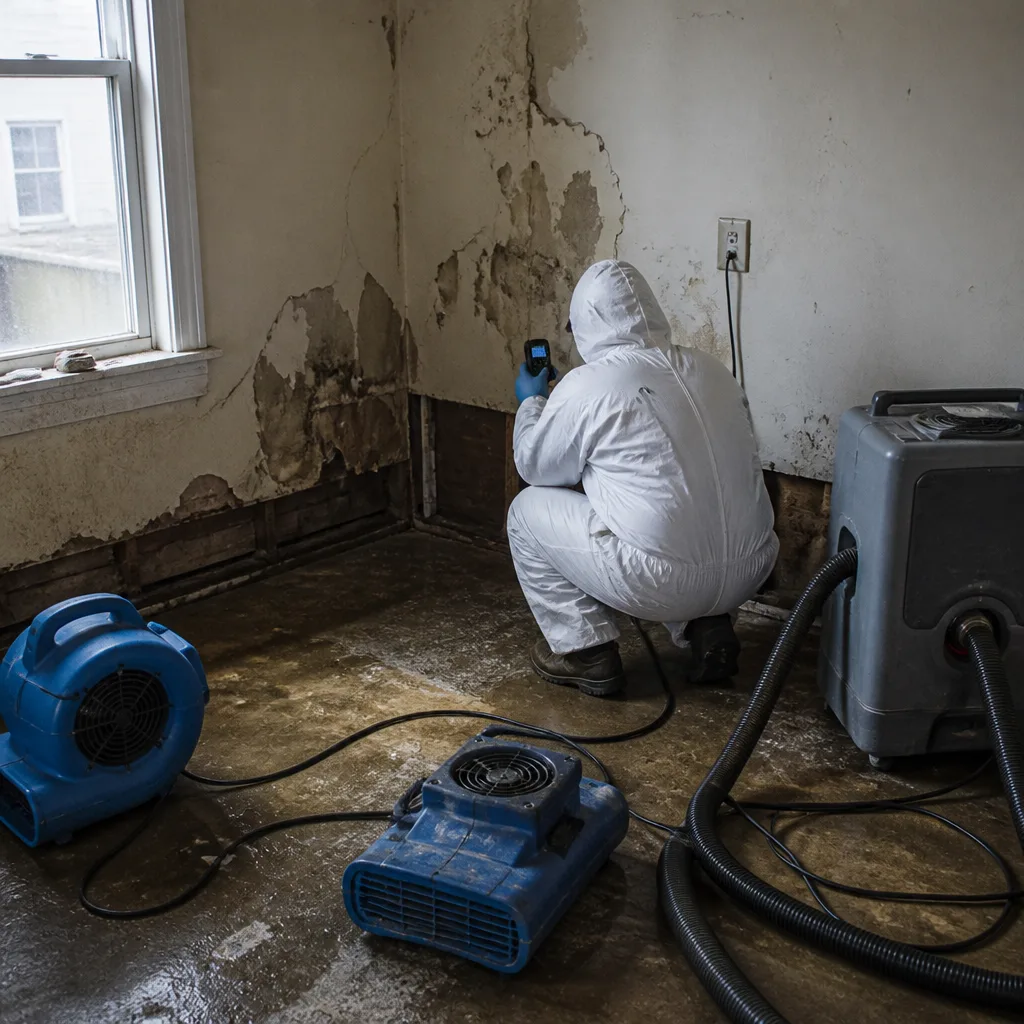 Before
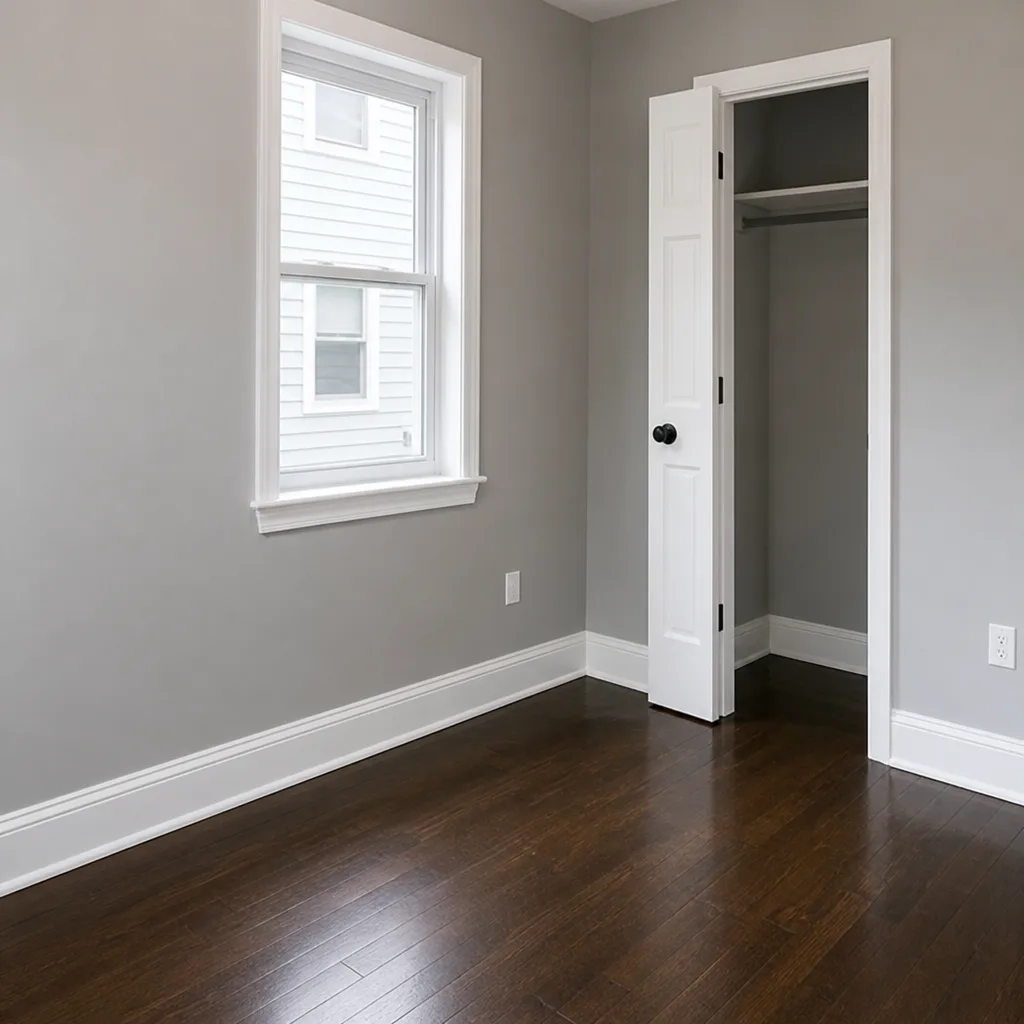 After
After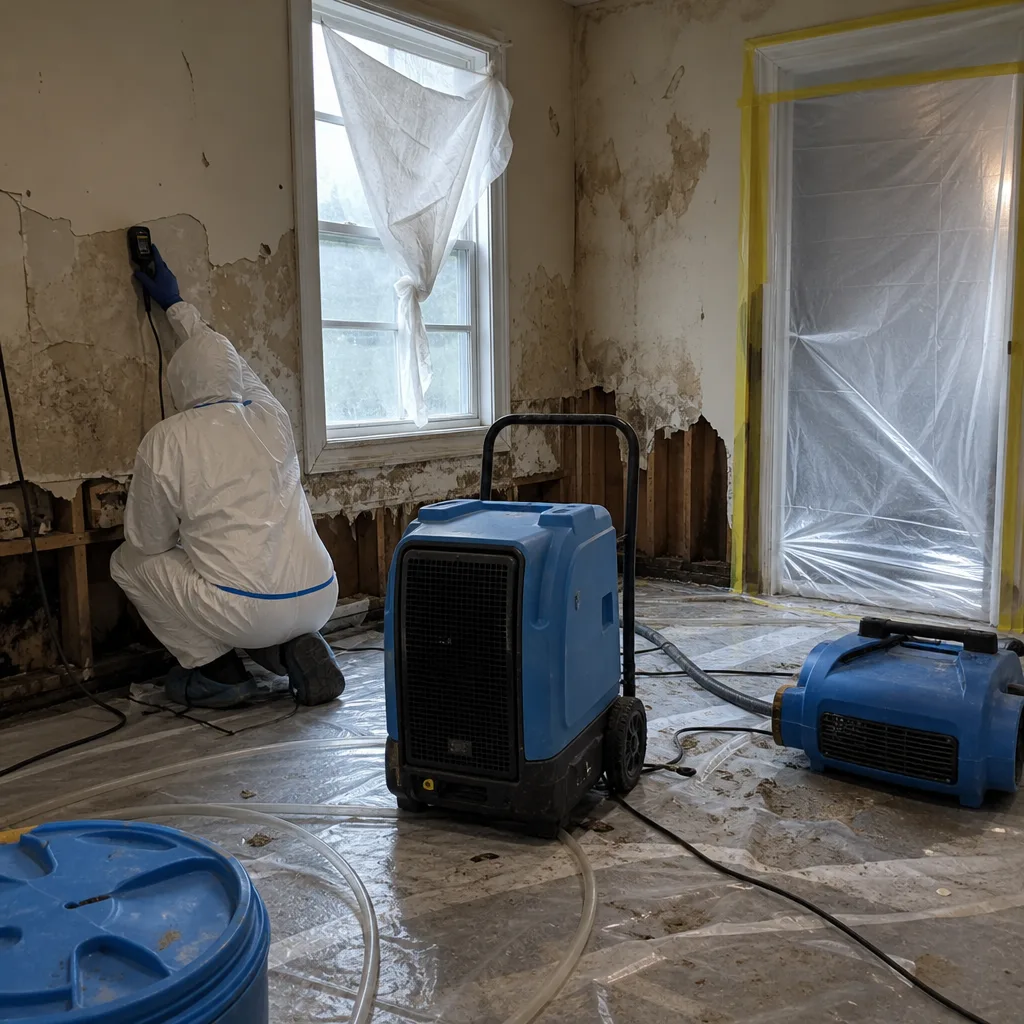 Before
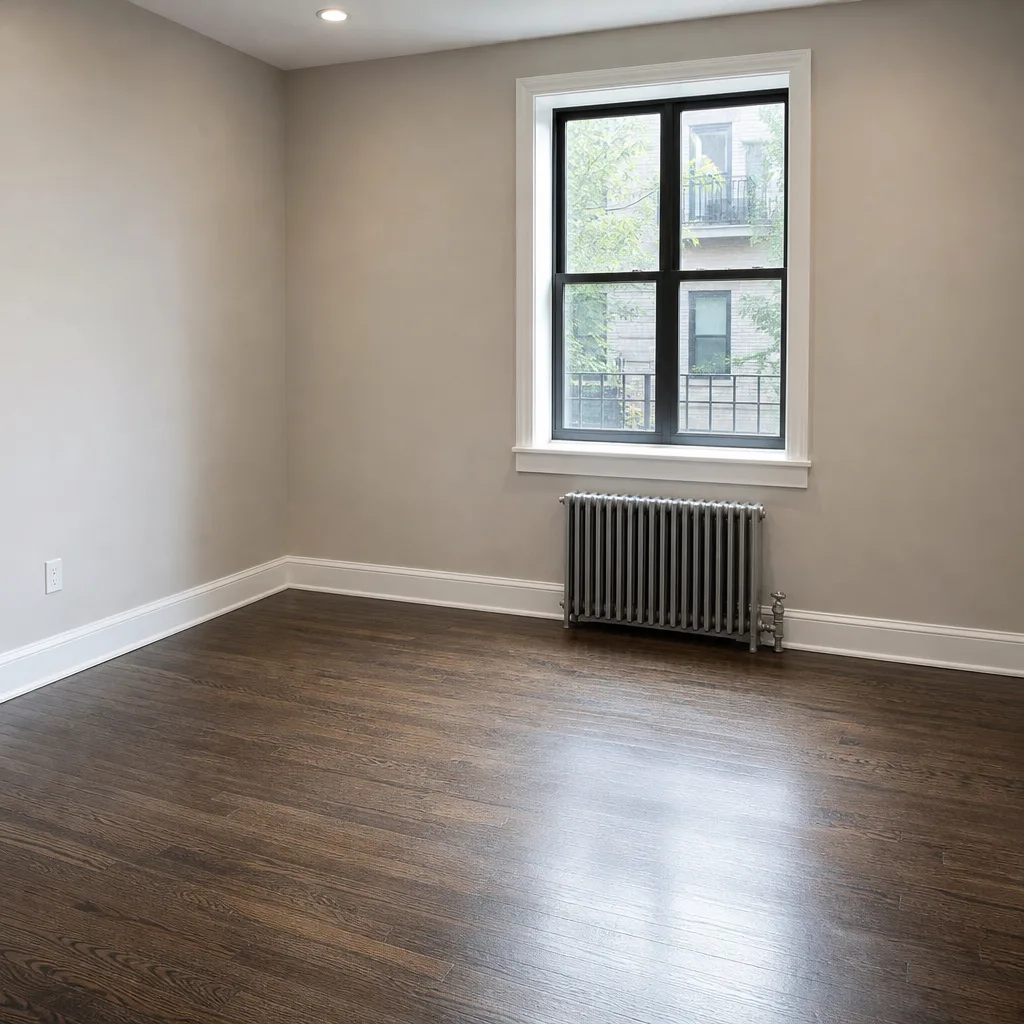 After
After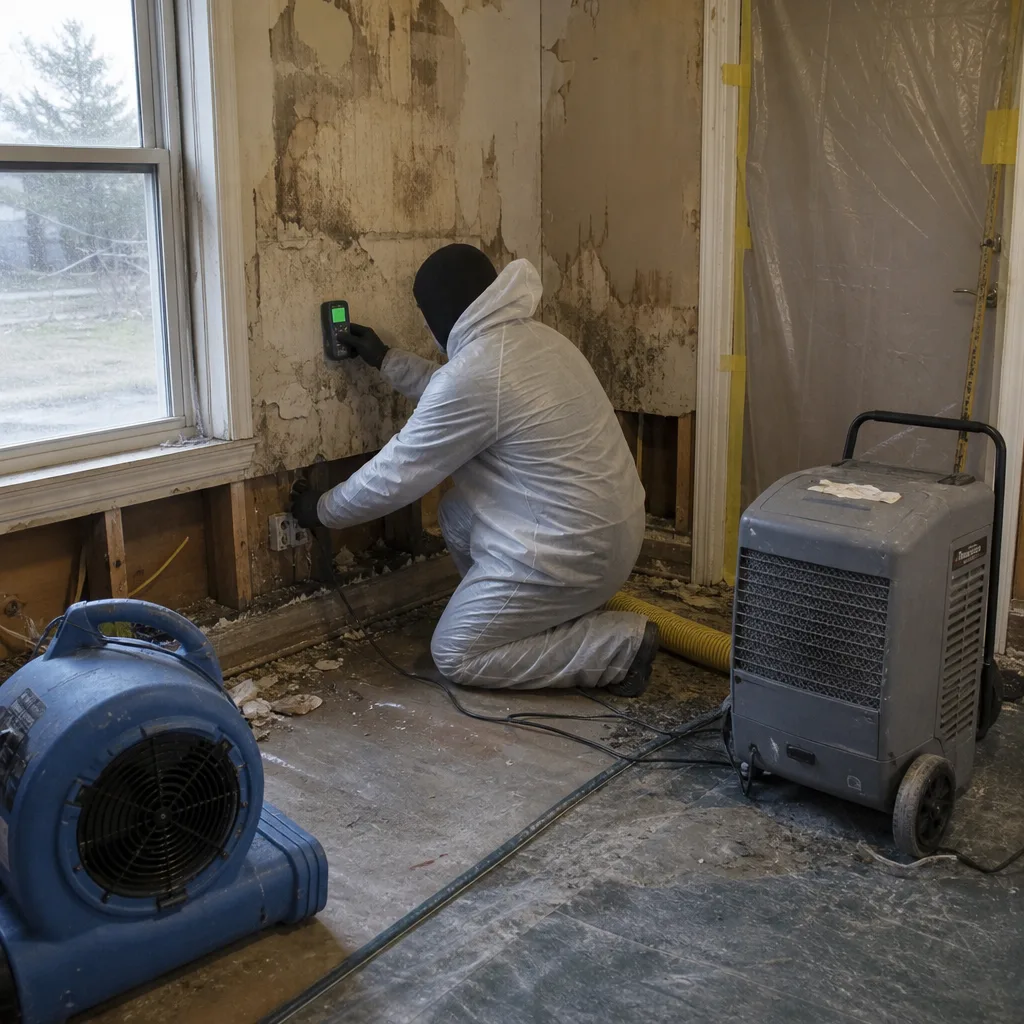 Before
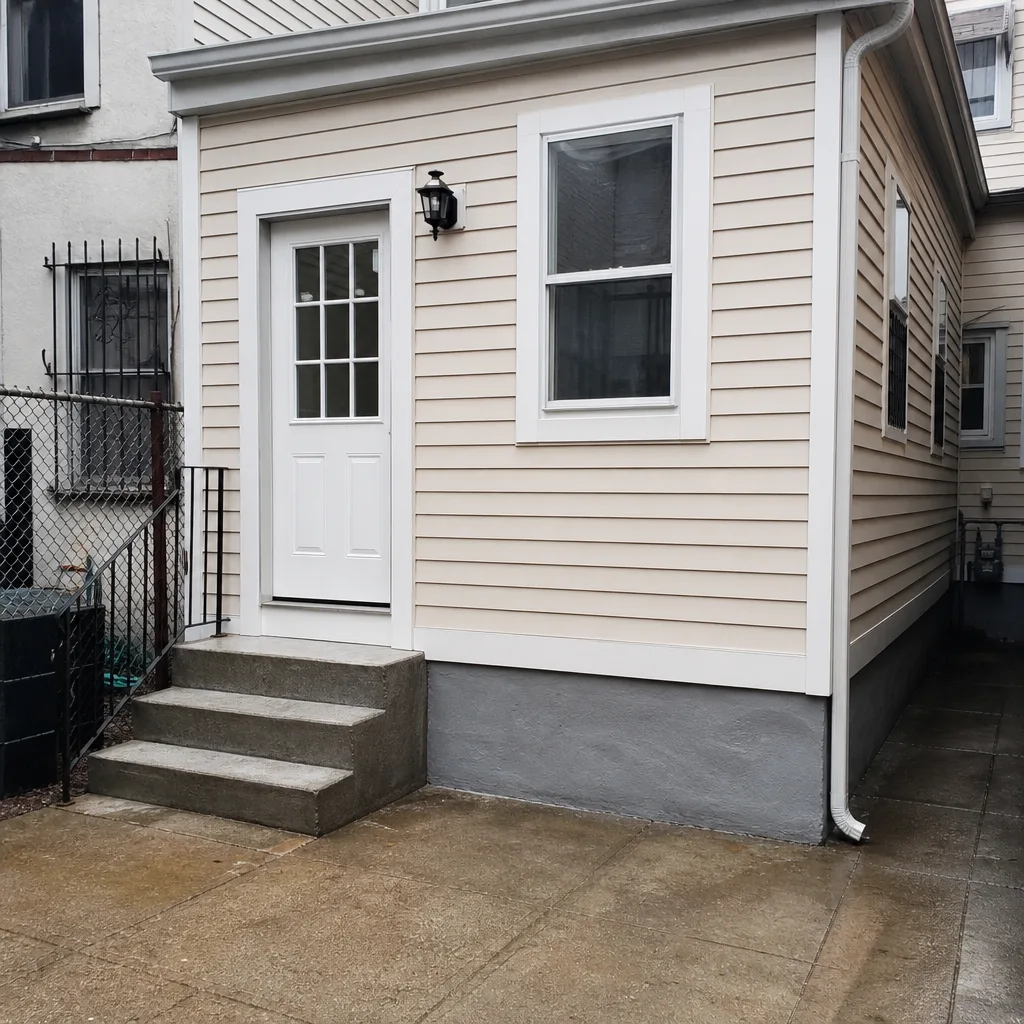 After
After