
 Water damage drying
 Fire & smoke cleanup
 Mold remediation
 Storm response
 Sewage cleanup
 Reconstruction
Free visual inspection and a written scope of work before any mitigation begins - photos, moisture readings, and drying logs go in your claim file
The scope we write is the scope we bill. Anything new gets shown to you, in writing, before we touch it.
Get your free estimateFast, Reliable Fire Damage Restoration Across Nolita
Fire damage restoration in Nolita typically costs between $1,800 and $9,500 depending on whether you’re dealing with smoke cleanup in one room or structural repair across a floor plate. Most Nolita jobs fall in the $3,200 – $6,800 range, and our crews can be on-site within 90 minutes of your call. We work in cast-iron lofts, pre-war tenements, and converted commercial buildings throughout the neighborhood, from the blocks around Elizabeth Street up toward Houston.
If fire, smoke, or sprinkler water has hit your Nolita home, call (607) 399-3439 right now. A live person answers, we give you an honest arrival window, and we put the price in writing before any tool leaves the truck. That’s how we’ve operated since 2005, and it’s the only way we’ll work in Nolita.
Key Takeaways
- Fire damage restoration in Nolita runs $1,800 – $9,500; most jobs cost $3,200 – $6,800.
- Cast-iron lofts allow fire and water to spread horizontally through concealed ceiling cavities, so we moisture-map entire floor plates, not just the visible burn area.
- Landmarks Preservation Commission approval is often required for structural work in Nolita’s historic buildings, and we handle that documentation.
- We reach Nolita in 90 minutes or less, including evenings and weekends.
- Every job comes with a written 365-Day Done Right Promise. If a covered repair fails, we return free.
Restoration work we handle
Why Dryden Restoration Brooklyn Is Nolita’s Preferred Fire Damage Restoration Company
Nolita’s building stock is unlike anything else in Manhattan. Cast-iron facades from the 1860s and 1870s. Original timber joists. Concealed ceiling cavities that run the full width of a floor. When fire moves through these spaces, it doesn’t respect unit lines the way it does in a modern high-rise. Our Fire Damage Restoration team has spent years learning how fire, smoke, and suppression water behave specifically in Nolita’s pre-war lofts and tenements. That local knowledge changes how we contain a job, where we place drying equipment, and what we document for the Landmarks Preservation Commission.
We’re an independently owned and operated Kingswell company, founded in 2005. Our technicians are background-checked, they wear Dryden uniforms, and they carry IICRC and RIA credentials for fire and water restoration. When you open your door on Mott Street or Mulberry Street at midnight, you know exactly who’s walking in.
Calls from Nolita reach our New York City dispatch office, not a national call center. We schedule crews who know this neighborhood, which means no wandering around looking for a service entrance on a pedestrian-only block. We tell you the arrival window, and we hit it.
We also put everything in writing. The price, the scope, the drying plan, the guarantee. That matters in Nolita, where restoration work often has to answer to a co-op board, a landlord, and the Landmarks Preservation Commission all at once.
Fire Damage Repair in Nolita
Fire damage repair in Nolita means restoring structural elements, surfaces, and systems to pre-fire condition, and in this neighborhood it usually involves original timber joists, brick party walls, and decades-old plaster. In a cast-iron loft, fire often travels horizontally through concealed ceiling cavities rather than vertically through walls, which means the burn damage you can see is only part of the story. We inspect the full floor plate, identify every fire-damaged member, and write a repair scope that addresses what actually happened, not just what’s visible. Repair work on this scale in Nolita typically runs $4,500 – $9,500.
Structural drying after suppression water
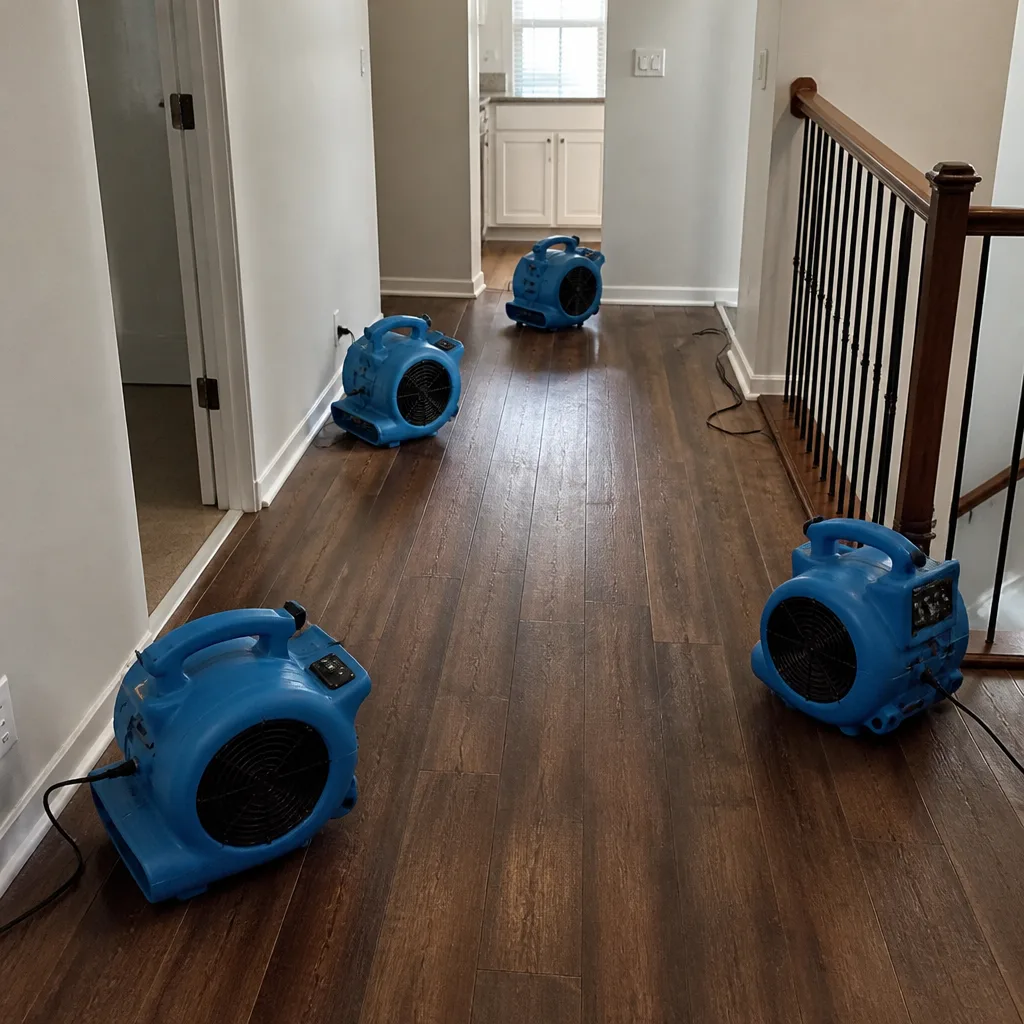
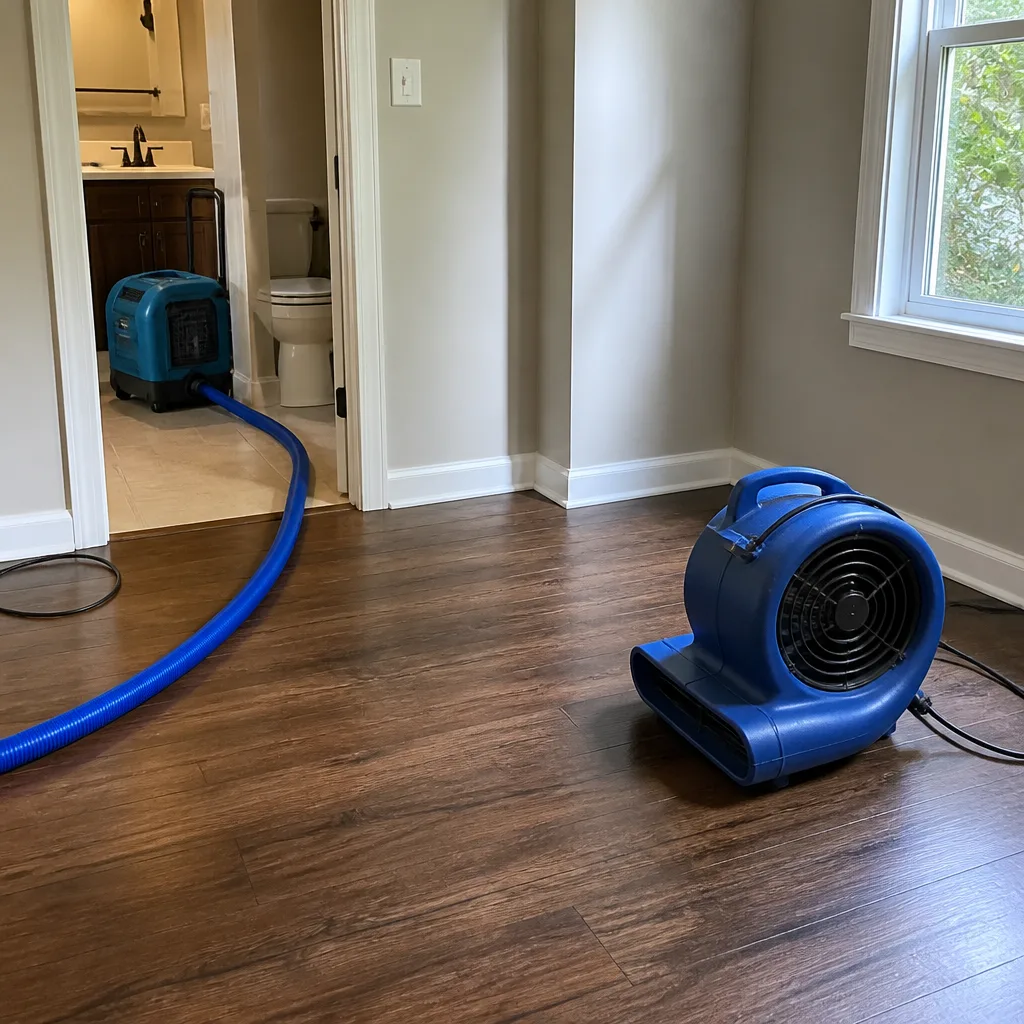
Fire sprinklers and FDNY hose water cause as much damage in Nolita lofts as the fire itself, often more. We use professional-grade drying systems, including Dri-Eaz LGR 7000XLi dehumidifiers and Phoenix axial air movers, to pull moisture out of solid timber joists and subflooring before rot or warping sets in. Drying original 1870s pine or oak this way takes patience and precise moisture mapping, usually three to five days of continuous monitoring.
Landmarks Preservation Commission documentation
Structural repair in a designated historic district means paperwork. We photograph everything, document moisture readings and material salvage, and prepare the documentation the Commission needs to approve repair versus replacement. In our experience, an LPC reviewer is far more likely to sign off on retaining original timber when the drying data shows we brought it back to a stable moisture content instead of tearing it out.
Fire Damage Cleanup in Nolita
Fire damage cleanup in Nolita is the immediate response work: removing soot, containing smoke odor, extracting standing water, and stabilizing the space so secondary damage doesn’t spread. In a tenement walk-up with shared brick party walls, soot and odor travel into neighboring units through wall cavities and around pipe chases. We contain the affected area with floor-to-ceiling plastic, set up negative air pressure, and begin soot removal before it has time to set into plaster and original millwork. Cleanup-only jobs in Nolita typically run $1,800 – $3,800.
Soot removal from original surfaces
Soot behaves differently on 19th-century plaster than on drywall. It’s oily, it bonds fast, and aggressive scrubbing can destroy the surface underneath. We use dry chemical sponges and controlled HEPA vacuuming to lift soot without grinding it deeper. For original tin ceilings, which are common in Nolita’s cast-iron buildings, we work with non-abrasive methods that don’t scratch the pressed metal pattern.
Smoke odor removal in mixed-use buildings
In Nolita, your upstairs neighbor might be a residential loft and the ground floor a boutique. Smoke odor doesn’t stay put. We use thermal fogging and hydroxyl generators, not masking sprays, to neutralize odor molecules in air and porous materials. The process is gentle enough for occupied adjacent spaces and effective enough that a landlord or co-op board will sign off on the unit being fully restored.
Trusted Brands We Service in Nolita
We work on every type of building Nolita throws at us, from 1860s cast-iron lofts on Broadway to pre-war tenements on Spring Street and converted commercial spaces on Prince. Our equipment fleet includes Dri-Eaz, Phoenix, B-Air, and Injectidry systems; the same professional-grade machines used on large commercial restoration projects. We don’t treat your Nolita home like a practice run. We stock common parts and consumables locally, which means less waiting when your sash windows need re-glazing after smoke damage or your floors need a drying mat under the original pine boards. Carl Brandt, who leads our crews, personally reviews every Nolita job’s drying plan before equipment goes in.
See the difference
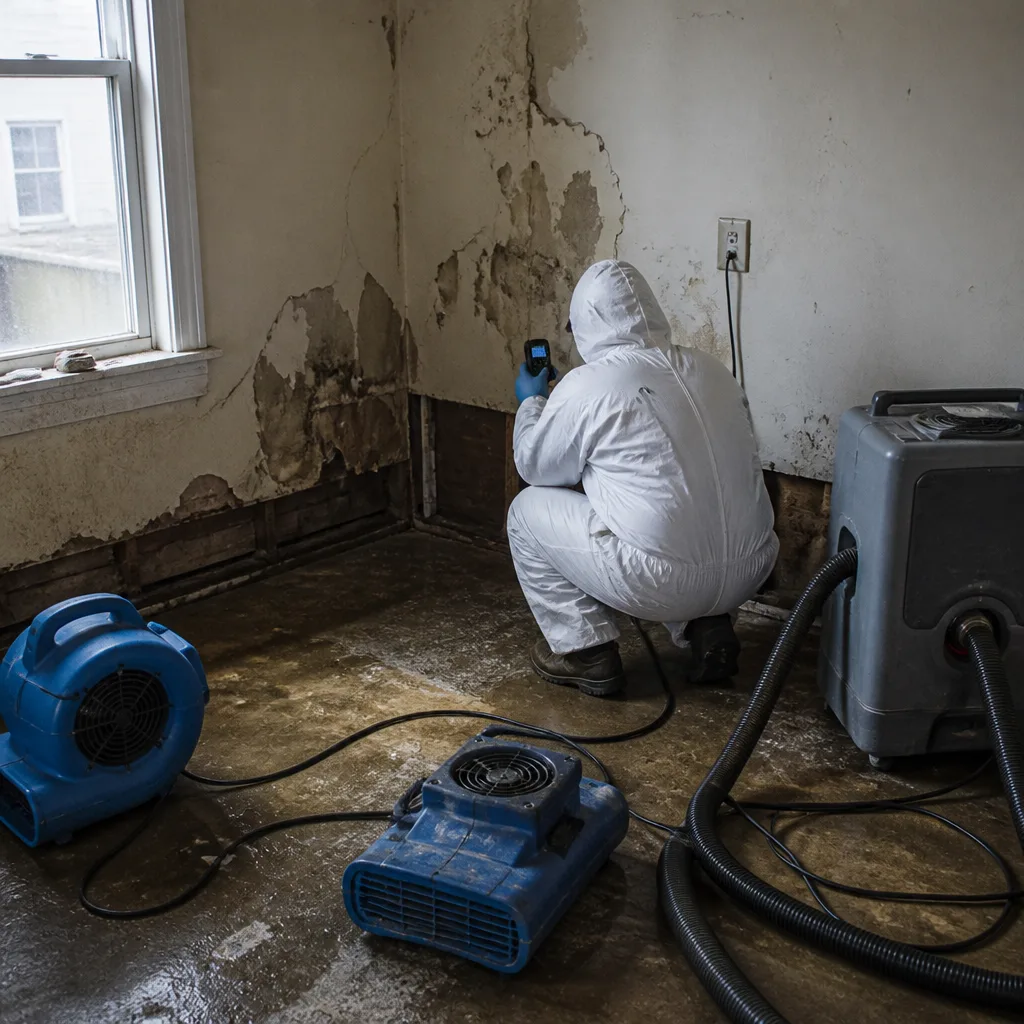 Before
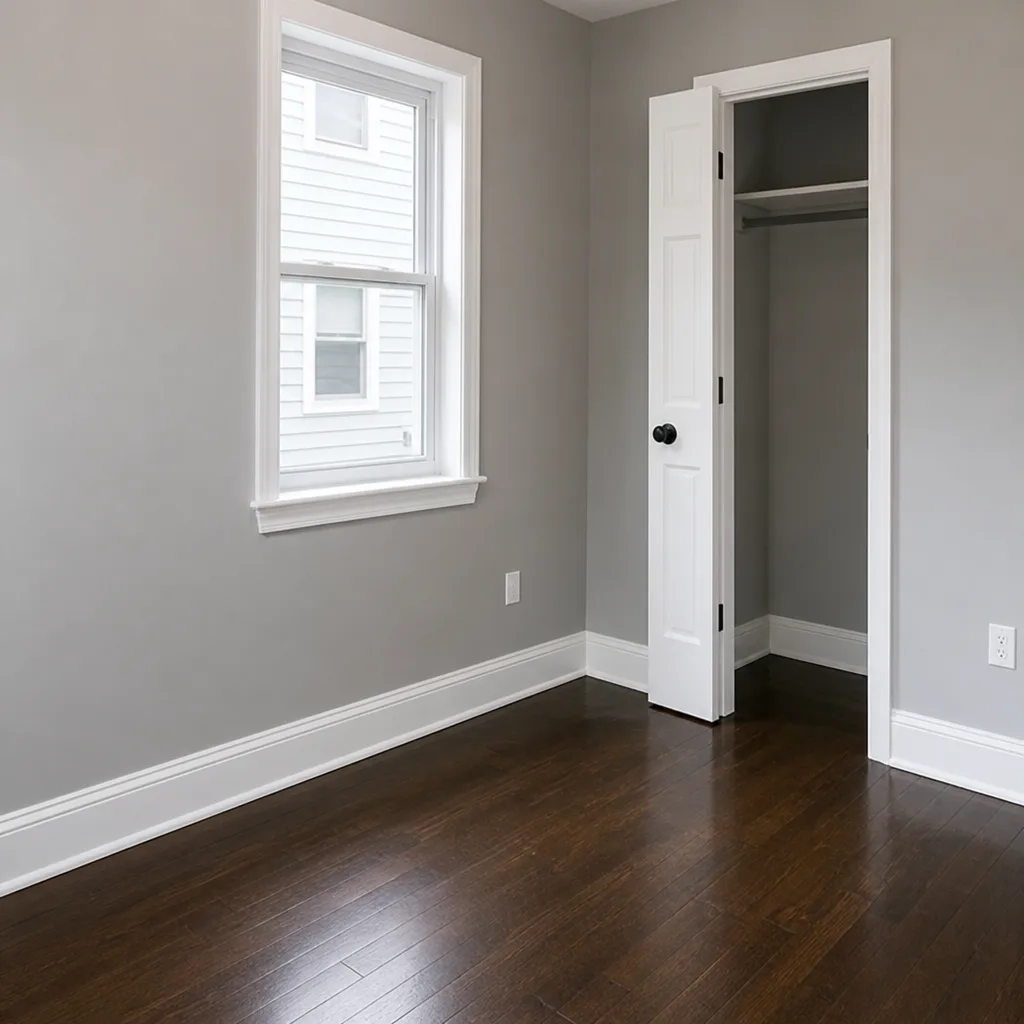 After
After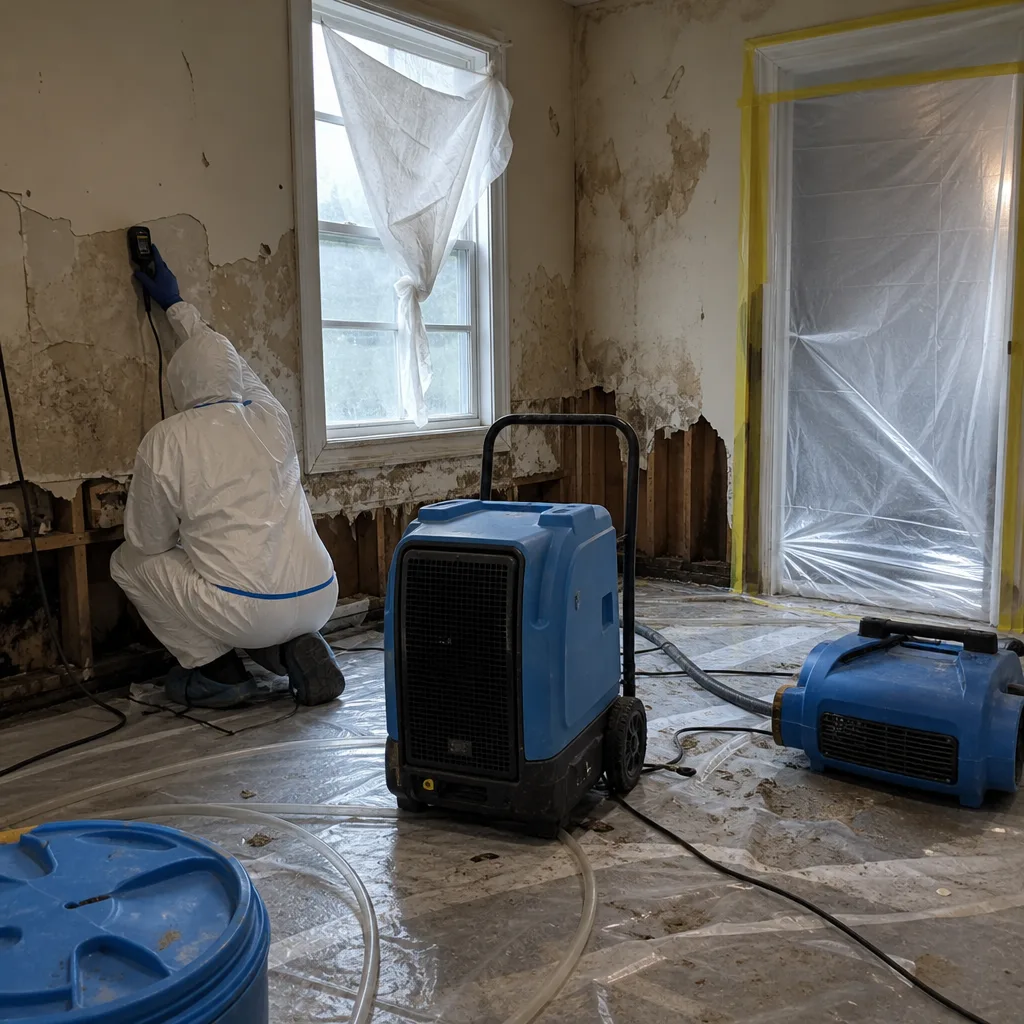 Before
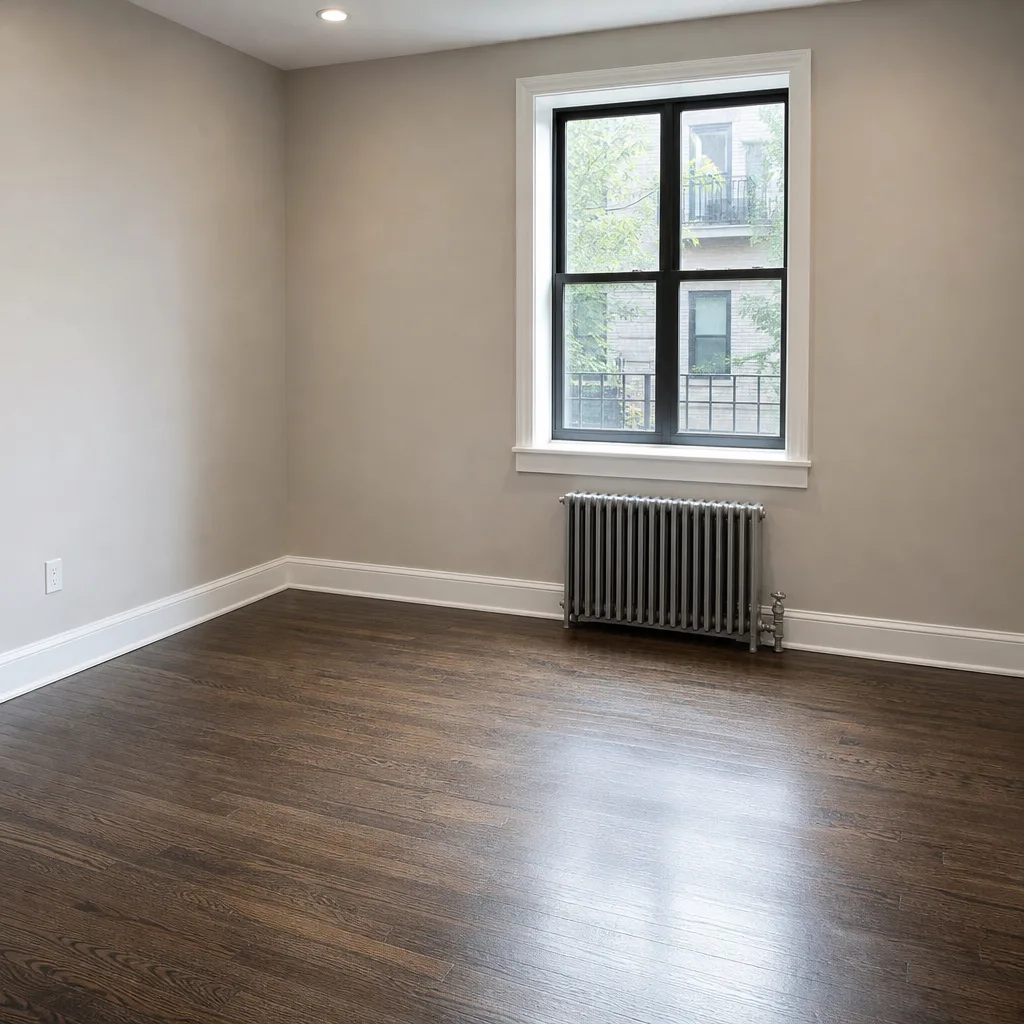 After
After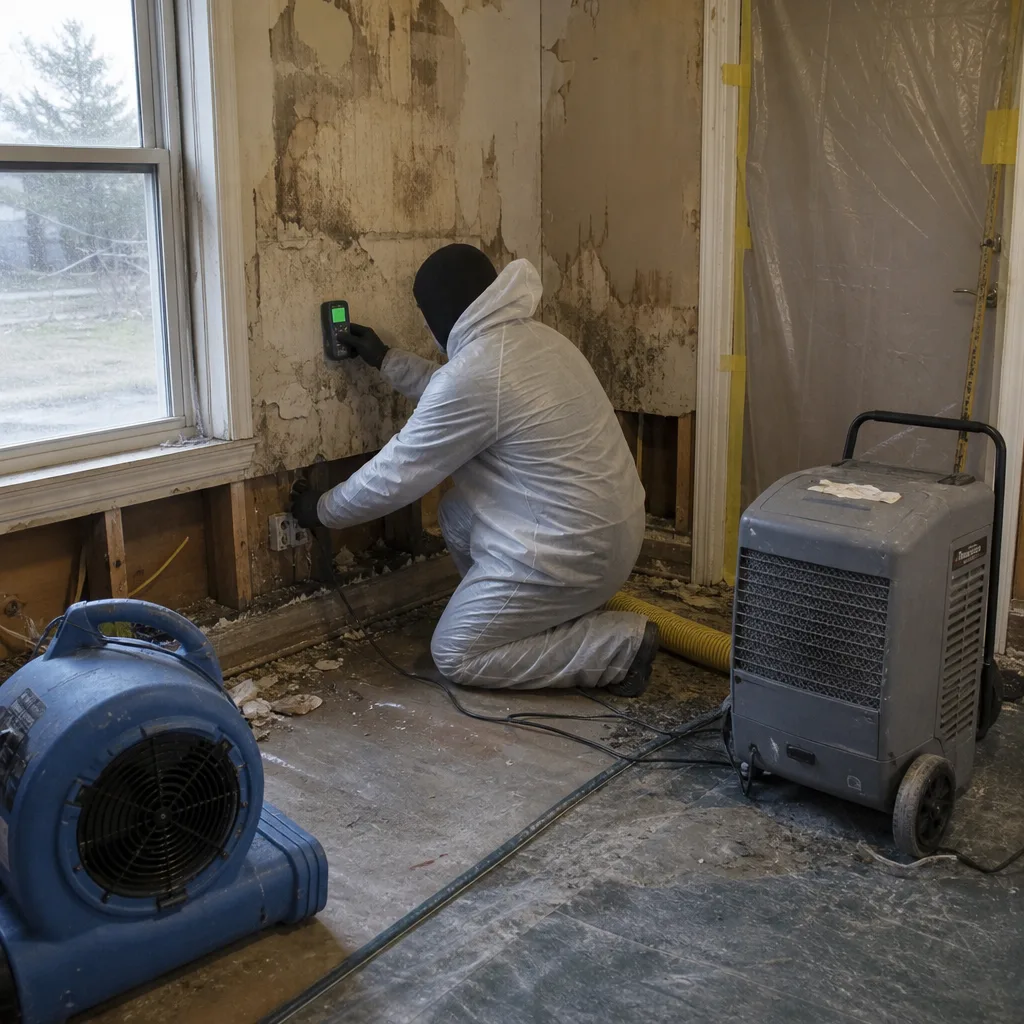 Before
 After
AfterCommon Fire Damage Restoration Problems We See in Nolita Homes
- Horizontal fire spread through concealed ceiling cavities. Cast-iron lofts were built with open floor plates and continuous joist bays. Fire moves through these voids in minutes, so a kitchen fire on one end of a floor can char structural timber at the other end. We inspect and moisture-map the entire plate, not just the scorched side.
- Suppression water soaking original tin ceilings and subfloors. Fire sprinklers dump hundreds of gallons in minutes. In a Nolita loft, that water pools on original pine subfloors and works into pressed tin ceilings. Without fast extraction and structural drying, you get warped boards, rusted tin, and mold within 48 hours.
- Unsealed brick party walls wicking moisture between units. Pre-war tenements share thick masonry walls. After a fire, water migrates through those walls into the neighboring unit, causing hidden moisture problems behind tin ceilings and plaster. We check both sides of the party wall, not just the unit that burned.
- Improper containment pushing soot into neighboring commercial spaces. In mixed-use buildings, an uncontained cleanup pushes soot and antimicrobial overspray into the shop downstairs or the restaurant next door. That triggers landmark commission violations and angry neighbors. We contain first, clean second, always.
Pricing for Fire Damage Restoration in Nolita, NY
Here’s what Nolita homeowners can expect, based on the scope of work:
- Smoke and soot cleanup, one room: $1,800 – $3,200
- Full-unit fire cleanup with containment and odor removal: $3,000 – $6,000
- Structural fire repair (joists, flooring, wall assembly): $4,500 – $9,500
- Emergency board-up and site stabilization: $600 – $1,400
- Water extraction and structural drying after sprinkler activation: $2,200 – $5,500
The biggest cost drivers in Nolita are building access (fifth-floor walk-ups cost more to move equipment through than freight-elevator lofts), the extent of concealed-cavity fire spread, and whether Landmarks Preservation Commission review is required. You’ll get a written price before we begin, and that number doesn’t change at the door. Call (607) 399-3439 for a free, no-commitment estimate from a technician who knows Nolita.
We Also Serve Cities Near Nolita
Dryden Restoration Brooklyn serves all of Nolita plus the surrounding neighborhoods and boroughs. We regularly run crews to Brooklyn, New York, Midtown Manhattan, and Williamsburg for fire damage jobs large and small. If you’re just outside Nolita and you’ve had a fire, call us. Same live person, same written pricing, same 365-Day Done Right Promise.
Serving Nolita, NY - Our Local Coverage Area
We’re based in the Nolita area and know this community well. Use the map below to see our service coverage - if you’re nearby, we can almost certainly help.
FAQs About Fire Damage Restoration in Nolita
Mold can begin growing on wet drywall and organic building materials in 24 to 48 hours, and in Nolita’s cast-iron buildings with high ambient humidity and poor ventilation, that window is often on the shorter end. The water from fire sprinklers or FDNY hose lines saturates drywall, plaster, and original timber fast. We respond to Nolita calls within 90 minutes and begin water extraction and drying immediately, because every hour that passes makes the restoration more invasive and more expensive. Call (607) 399-3439 as soon as the fire is out.
Yes. Nolita is within the NoHo Historic District and adjacent landmarked areas, which means structural repairs, facade work, and any replacement of original materials typically require Landmarks Preservation Commission review. Our team prepares the documentation: photo records, moisture readings, material assessments, and the repair versus replacement analysis the LPC reviewers expect. We don’t ask you to navigate that alone. The paperwork is part of the job.
We use a combination of extraction, containment, and controlled structural drying. In one cast-iron loft on Elizabeth Street near Spring, a kitchen fire left the original pine subfloor saturated with category 2 water from the suppression system. Our crew contained the unit with floor-to-ceiling plastic and ran a Dri-Eaz LGR 7000XLi plus two Phoenix air movers for five days, pulling moisture readings down from 28% to 9% wood moisture equivalent so the Landmarks Preservation Commission would sign off on retaining the 1870s beams. That’s the standard we hold for every Nolita floor we dry.
Fire damage cleanup is the immediate work: removing soot, extracting water, containing the space, and neutralizing smoke odor. It typically costs $1,800 – $3,800 in Nolita. Full fire damage repair is the structural restoration that follows: replacing or reinforcing damaged joists, repairing wall assemblies, sanding and refinishing floors, and restoring surfaces to pre-fire condition. Repair work in Nolita typically runs $4,500 – $9,500. Most jobs need both, and we write one scope that covers the full sequence so there’s no confusion about what’s included.
We treat sprinkler water as a category 2 water loss and extract it with truck-mounted and portable extraction units before placing drying equipment. In a tenement walk-up, water travels down through floors, into the unit below, and often into the basement. We trace the water path, not just the visible pooling, and we check adjoining units for moisture migration through the shared brick party walls. The walk-up access slows equipment movement, but we plan for it: extra crew members, lighter-duty equipment staged in sections, and a drying plan that accounts for the building’s layout. Call (607) 399-3439 and we’ll walk you through what your building needs.
Written by Carl Brandt, Owner at Dryden Restoration Brooklyn, serving Nolita and greater New York City since 2005.