
Last updated October 16, 2026
 Water damage drying
 Fire & smoke cleanup
 Mold remediation
 Storm response
 Sewage cleanup
 Reconstruction
Free visual inspection and a written scope of work before any mitigation begins - photos, moisture readings, and drying logs go in your claim file
The scope we write is the scope we bill. Anything new gets shown to you, in writing, before we touch it.
Get your free estimateSeasonal Damage Restoration Care for Brooklyn: Year-Round Homeowner’s Guide
Most Brooklyn homeowners think water damage is a winter problem. The pipes freeze, the ice dams form, the basement floods. But the freeze-thaw cycle that cracks Brooklyn parapet walls most aggressively happens in a narrow window, typically late January through early March, yet the interior water damage from those cracks doesn’t show up until April, after the repair window has closed. By the time you see the stain on your ceiling, the structural damage has been quietly compounding for weeks. This guide assigns concrete tasks to specific months, not vague seasons, so you can catch problems before they catch you.
Restoration work we handle
Quick Answer
Seasonal damage restoration care in Brooklyn requires a month-specific maintenance calendar: check parapets and pointing in October before ground freeze, monitor interior humidity in basement apartments during July and August, clean rear-yard drains and areaways every November before heavy rain, and inspect end-wall pipes in rowhouses when temperatures drop below 20°F. The most expensive water damage in Brooklyn comes from deferred maintenance in the two weeks before a seasonal shift, not from the season itself.
Table of Contents
- Fall: The October to November Window That Prevents Winter Flooding
- Winter: Freeze-Thaw Cycles and Rowhouse End-Wall Risks
- Spring: The Post-Winter Inspection Sequence That Finds Hidden Damage
- Summer: Humidity Control for Brooklyn Basement Apartments
- How Housing Type Changes Your Risk Profile
- The Month-by-Month Task Calendar
- Common Mistakes to Avoid
- When to Call a Professional
- Frequently Asked Questions
- The Bottom Line
Fall: The October to November Window That Prevents Winter Flooding
October is the single most important month for Brooklyn water damage prevention. The ground hasn’t frozen yet, so mortar, caulk, and sealants can still cure properly. Once soil temperatures drop below 40°F, which typically happens in Brooklyn by mid-November, any exterior sealing work you do won’t bond correctly. That means the pointing on your parapet, the caulking around your window lintels, and the sealing on your rear façade all need to be finished before Halloween.
We’ve seen the same pattern across Brooklyn neighborhoods from Park Slope to Bay Ridge: homeowners wait until the first cold snap to inspect their exterior walls, discover cracked mortar, and then can’t get it properly repaired until spring. Meanwhile, water seeps into those cracks all winter, freezes, expands, and widens the gaps. By March, a $600 pointing job has become a $4,000 masonry repair plus interior water damage restoration.
Here’s the October sequence we recommend to every Brooklyn homeowner:
- Inspect and repoint parapets – Walk around your roofline (from the ground with binoculars is fine) and look for missing mortar joints, cracked bricks, or vegetation growing out of the wall. Brooklyn parapets, especially on pre-war rowhouses, suffer more freeze-thaw damage than any other exterior element.
- Caulk window lintels and sills – Steel lintels above windows expand and contract at a different rate than brick. The gap that forms lets water run behind the brick face. A $12 tube of exterior caulk applied in October prevents thousands in interior damage by April.
- Clean rear-yard drains and areaways – Every Brooklyn rowhouse and brownstone has a rear yard or areaway that drains through a single catch basin. When leaves, dirt, and debris clog that drain, the first heavy October or November rain backs up against your foundation. We respond to this exact call dozens of times each fall.
- Check roof flashing around chimneys and skylights – Flat and low-slope roofs dominate Brooklyn. Water pools on them. Flashing failures are the most common source of ceiling stains we see in December and January.
- Flush and inspect your main drain line – Tree roots grow aggressively in Brooklyn’s older sewer laterals during fall. A slow drain in October is a full backup waiting for the first heavy rain. A plumber’s camera inspection costs $250 to $400 and catches root intrusion before it becomes a basement flood.
For a deeper dive on what happens when this sequence gets skipped, see our guide to Water Damage Restoration in Brooklyn. The pattern is predictable: October neglect becomes January emergency.
Winter: Freeze-Thaw Cycles and Rowhouse End-Wall Risks
Brooklyn’s winter damage pattern is different from the rest of the country. We don’t get the sustained deep cold of Minnesota, and we don’t get the heavy snow of Buffalo. What we get is the most destructive freeze-thaw cycling of any major Northeast city. Brooklyn winters hover right around 32°F, which means water freezes and thaws repeatedly, sometimes multiple times in a single week. Each cycle expands and contracts the water inside cracks, joints, and porous masonry, slowly prying surfaces apart.
Rowhouse end-walls are the most vulnerable structural element in Brooklyn. If your home is the last house on the block, or adjacent to a vacant lot, you have an exposed end-wall. These walls are uninsulated in most pre-1960 construction, which means the interior surface temperature drops close to the exterior temperature. When your interior heat meets that cold wall, condensation forms. That moisture soaks into plaster, drywall, and wood framing, creating the conditions for mold growth behind your walls long before you see any visible signs.
Here’s what to monitor during Brooklyn’s winter months, December through March:
- Interior humidity above 55% – Get a $15 hygrometer and place it against your end-wall. If relative humidity (RH) is above 55% for more than a few days, you’re feeding mold. The fix is usually better ventilation or a dehumidifier, not more heat.
- Pipe temperature below 40°F – Exposed pipes in uninsulated end-walls, crawl spaces, or unheated basements freeze when the interior wall cavity drops below 40°F. Foam pipe insulation costs $3 per 6-foot section and is the cheapest insurance you’ll ever buy.
- Windows that sweat on the inside – Interior condensation on windows during cold weather means your indoor humidity is too high. It’s also the first indicator that your end-wall cavities are condensing too.
- Cold spots on walls or ceilings – After a cold snap, run your hand along the interior of your exterior walls. Any area that feels significantly colder than the surrounding surface is a sign of missing or failed insulation, which is also a condensation point.
When Brooklyn temperatures drop below 20°F, which happens several times each winter, we start getting calls about frozen pipes in end-wall kitchens and bathrooms. The sequence is almost always the same: the homeowner kept their thermostat low to save money, the pipe in the exterior wall had no insulation, and the first sign of trouble was a faucet that wouldn’t run. If a pipe freezes and bursts, you’ll need immediate water damage restoration in Brooklyn to prevent secondary damage to flooring, drywall, and framing.
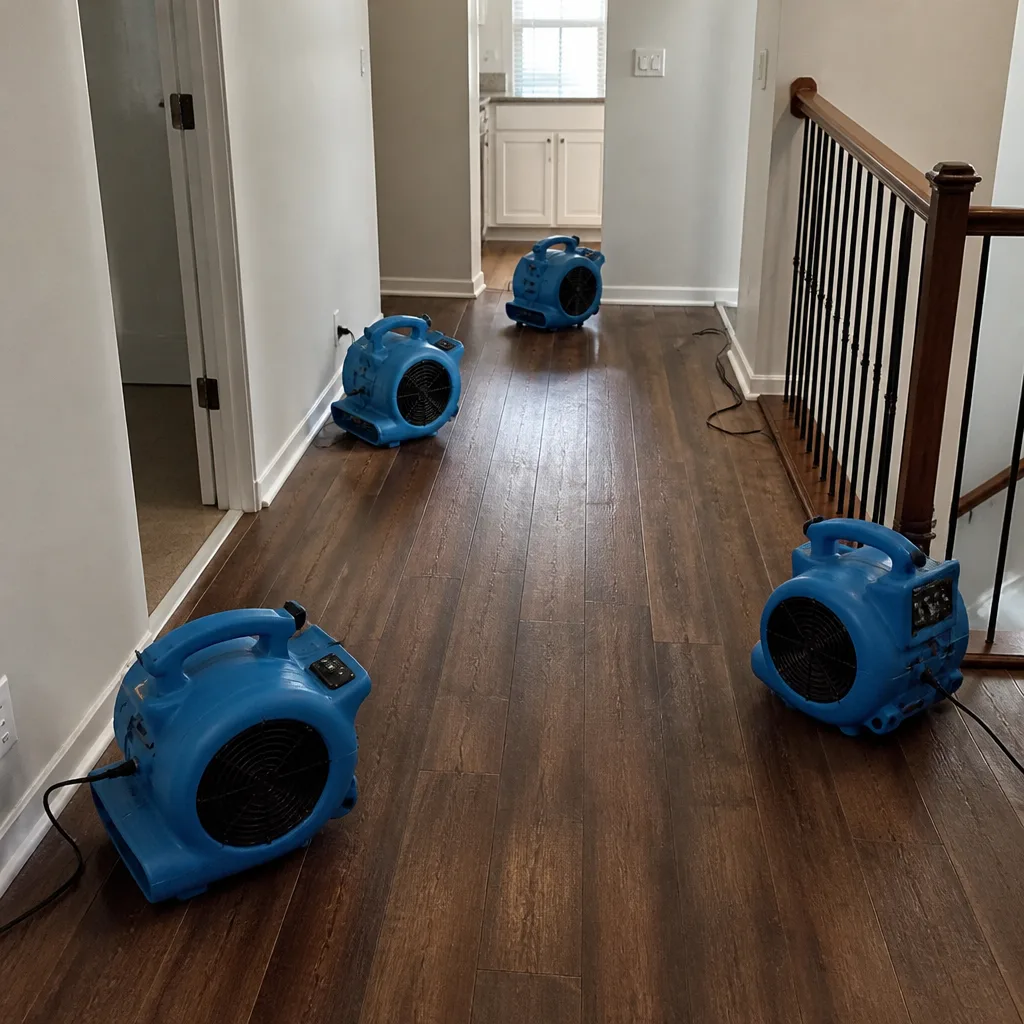
Our technicians use Dri-Eaz and Phoenix drying equipment to bring affected wall cavities back to proper moisture levels, following IICRC standards for structural drying. The goal is to dry the space to its natural equilibrium moisture content, not just to the point where the surface feels dry. That’s the difference between a repair that lasts and one that fails in six months.
Spring: The Post-Winter Inspection Sequence That Finds Hidden Damage
April in Brooklyn is when the bill for winter comes due. Every freeze-thaw crack, every ice-filled parapet joint, every clogged drain that backed up during a January thaw has left its mark. But the damage is often invisible from inside the house. Water that entered your walls in February is now slowly wicking through plaster and drywall, and the first visible sign may not appear until the humidity rises in May or June, at which point you’re looking at mold remediation on top of water damage repair.
Here’s the four-part inspection sequence we recommend for every Brooklyn homeowner in April:
- Parapet and roofline inspection – From the street or a neighbor’s rooftop, look for new cracks, spalling (flaking) bricks, or displaced mortar. Compare against photos you took in October. New gaps mean water got in over the winter.
- Window lintel inspection – Check the steel lintels above every window for rust streaks, which indicate water has been running through the lintel and into the wall cavity. Also look for new cracks in the brick above the window corners.
- Basement and foundation floor inspection – Look for new efflorescence (white powdery mineral deposits on concrete or brick), which means water has been moving through your foundation walls. Also check for new cracks in the concrete floor, especially near the perimeter.
- Ceiling and top-floor wall inspection – Water follows gravity. If your parapet leaked all winter, the first visible interior sign will be on your top-floor ceiling or the top few feet of your top-floor walls. Look for discoloration, bubbling paint, or soft spots.
If you find any of these signs, don’t wait until summer. Water that sits in a wall cavity during Brooklyn’s humid May and June is exactly what turns a $2,000 water damage job into an $8,000 mold remediation project. Our Mold Remediation in Brooklyn page explains what happens when hidden moisture gets ignored.
One more April-specific issue: spring rains in Brooklyn are often heavy and fast. If your gutters and downspouts didn’t get cleared in November, April is your second chance. Clogged gutters overflow against your foundation, and that water finds its way into your basement through the cove joint, which is the seam where your basement wall meets the floor. We respond to this call constantly in April and May.
Summer: Humidity Control for Brooklyn Basement Apartments
Brooklyn basement apartments have a unique summer problem. The same masonry walls that keep your space cool in July are also condensation factories. When warm, humid outdoor air hits a 65°F basement wall, the moisture in that air condenses on the surface, just like a cold glass of water on a humid day. That condensation soaks into drywall, carpet, wood framing, and anything else that’s touching the wall. The result is the musty smell that so many Brooklyn basement apartments are known for, and eventually, visible mold growth.
The counterintuitive part: ventilation can make the problem worse. Opening a basement window on a 90°F day with 70% humidity brings in warm, wet air that condenses immediately on your cold walls. We’ve measured this with our Injectidry and B-Air moisture detection equipment. The same window that feels refreshing on a low-humidity day is actively adding water to your walls on a muggy August afternoon.
Here’s the summer humidity protocol we recommend for Brooklyn basement and garden-level units:
- Monitor RH daily – Keep a hygrometer in your basement. If RH is above 60%, you need to take action. Below 50% is the target. Between 50% and 60%, you’re in the warning zone.
- Run a dehumidifier, not a window fan – A dehumidifier removes moisture from the air without introducing new moisture. Set it to 45-50% RH. The water it collects is water that would otherwise be condensing on your walls.
- Check exterior grading and downspouts before summer storms – Brooklyn summer thunderstorms are intense and localized. Water that pools against your foundation during a July downpour will push through your basement walls within hours. Make sure soil slopes away from your foundation on all sides.
- Don’t paint over musty walls – If you can smell mustiness, painting over it just traps the moisture and mold behind a new surface. The source has to be found and dried first. We use professional-grade drying equipment from Dri-Eaz, Phoenix, and B-Air to address the actual moisture problem, not just the smell.
If you’re already seeing visible mold on basement walls or floors, that’s a health concern and a structural concern. See our Mold Remediation in Brooklyn guide for what professional remediation actually involves, including containment, air filtration, and surface treatment to IICRC and RIA standards.
How Housing Type Changes Your Risk Profile
Brooklyn is not one housing market. It’s a patchwork of distinct building types, each with its own seasonal damage profile. A Brooklyn Heights brownstone has completely different vulnerabilities than a Midwood detached house or a Williamsburg new-construction condo. Here’s what we’ve learned in nearly two decades serving Brooklyn homeowners:
Pre-War Brownstones and Townhouses (Park Slope, Brooklyn Heights, Bed-Stuy, Fort Greene)
These homes share a common structural profile: brick or brownstone facades, flat roofs with parapets, shared party walls, and basements that sit below grade. The parapet is the single highest-risk element. When the parapet leaks, water travels down the wall cavity and shows up on the top-floor ceiling months later. Budget $2,000 to $6,000 for professional parapet repointing and repair every 5 to 10 years. It’s the cheapest insurance you can buy for a building this old.
Rowhouses and Attached Frame Houses (Bay Ridge, Bensonhurst, Sheepshead Bay, Marine Park)
These homes are typically wood-frame or brick-veneer, with shared party walls and shallow foundations. The end-wall condensation issue is biggest here, especially when one side of the house faces an open alley or driveway. Exposed end-walls lose heat fast and condense moisture against the interior surface. The fix is usually adding insulation to the end-wall cavity, which costs $3,000 to $8,000 depending on access, but prevents the chronic mold and rot problems we see in these homes every spring.
Detached Houses (Ditmas Park, Mill Basin, Midwood, Gravesend)
Detached homes have all four walls exposed, which means more exterior surface area for water entry. But the bigger risk is drainage. Most Brooklyn detached homes sit on small lots with minimal grading. When the soil around the foundation gets saturated, hydrostatic pressure builds against the basement walls and water finds its way in through the cove joint. The fix is usually a combination of better downspout extensions, regrading, or in severe cases, an interior drain system. We discuss this in our water damage restoration guide.
Basement and Garden-Level Apartments (Williamsburg, Bushwick, Crown Heights)
These units are in the highest humidity zone of any Brooklyn home. They sit below grade, they have limited ventilation, and they share walls with the building’s structural masonry. Summer humidity control is a year-round job. Dryer vents that terminate inside, unvented bathrooms, and kitchens without exhaust fans all push indoor humidity past 60% RH within hours. The fix is mechanical ventilation and dehumidification, not just opening a window.
For fire-related seasonal concerns, including the unique risks of older Brooklyn building stock, see our Fire Damage Restoration in Brooklyn page.
The Month-by-Month Task Calendar
This calendar assigns specific tasks to specific months based on Brooklyn’s actual climate patterns. It’s not generic advice; it’s the same calendar we follow when inspecting and restoring homes across Brooklyn.
January
- Monitor interior RH in basements and end-wall rooms. Target: below 50%.
- Check for interior window condensation, especially on north-facing walls.
- Inspect exposed pipes in unheated areas. Add foam insulation to any that feel cold.
- Clear snow from flat roofs and parapets before a thaw. Melting snow refreezes in cracks overnight.
February
- This is peak freeze-thaw season. Check exterior walls weekly for new cracks or spalling.
- Inspect parapet flashing from the street after any significant snow or ice storm.
- Test your sump pump if you have one. Pour a bucket of water into the pit and confirm it activates.
- Check attic or top-floor ceilings for new stains. February water damage often shows up first as a faint shadow on the paint.
March
- Late March is when frozen pipes thaw. Listen for the sound of running water behind walls.
- Inspect the ground around your foundation for new soft spots or sinkholes after the thaw.
- Check your roof drainage. Ice and snow melt should be flowing freely to downspouts.
- Schedule your April exterior inspection now if you suspect winter damage.
April
- Complete the four-part spring inspection sequence: parapets, lintels, basement floors, top-floor ceilings.
- Clean gutters and downspouts. Verify that downspouts extend at least 4 feet from your foundation.
- Test exterior hose bibs for freeze damage. A cracked bib leaks inside the wall when you turn on the water.
- Look for new efflorescence on basement walls, a sign of winter water movement.
May
- Begin dehumidifier operation in basements. Set to 45-50% RH.
- Check window wells and areaway drains for debris accumulated over winter.
- Inspect exterior caulking around windows and doors. April rains may have revealed gaps.
- Schedule any needed masonry or pointing repairs now, before summer heat accelerates material expansion.
June
- Peak humidity month begins. Monitor basement RH daily if you’ve had past moisture issues.
- Check for condensation on cold water pipes. Insulate any that sweat.
- Verify that bathroom and kitchen exhaust fans are venting to the exterior, not into the attic or wall cavity.
- Inspect the roof for blisters or cracks from summer heat expansion.
July
- Heaviest thunderstorm month. Check that all downspouts are clear and extending away from the house.
- Consider a gutter inspection after July storms. Clogged gutters plus a downpour equals basement water.
- Monitor for musty smells in basement apartments. That’s the early warning sign for hidden mold.
- If you see mold on any surface, don’t ignore it. See our mold remediation guide for next steps.
August
- Hot, humid, and often stormy. Continue monitoring RH. Empty the dehumidifier daily if needed.
- Check for signs of water staining around window air conditioners. Improper installation lets rain and condensation run into walls.
- Inspect basement floors for new cracks or damp spots after the worst of summer storms.
- This is the last comfortable month for exterior masonry and pointing work before fall.
September
- Begin the pre-winter drainage sweep: clear all gutters, downspouts, areaways, and yard drains.
- Inspect your roof for any damage from summer storms. Schedule repairs now, not in November.
- Check exterior walls for any new cracks that appeared over summer.
- Clean window wells and check their drainage.
October
- Complete all exterior sealing and pointing work before the ground freezes. This is the last reliable window.
- Flush and camera-inspect your main sewer line for root intrusion.
- Disconnect and drain all exterior hoses. Shut off exterior water supply valves if you have them.
- Check attic insulation and ventilation before heating season begins.
November
- Weekly raking: remove leaves from yard drains, areaways, and gutters until the trees are bare.
- Test your sump pump one more time before winter.
- Verify that downspout extensions are still in place after fall yard work.
- Set basement dehumidifier to winter setting (typically off or low, since winter air is drier).
December
- Cold weather arrives. Begin monitoring end-wall temperatures and pipe exposure.
- Check for interior condensation after the first sustained cold snap.
- Inspect attic for frost accumulation, which indicates condensation and poor ventilation.
- Keep gutters clear until all leaves are down. The last leaves fall in December in Brooklyn.
Common Mistakes to Avoid
- Waiting until spring to inspect for winter damage. The damage is already done by then. Water that entered your walls in February has been sitting in a dark, warm wall cavity for two months. April is when the mold bloom starts, not when the problem starts.
- Opening basement windows on humid summer days. You’re adding moisture to your basement, not removing it. Brooklyn summer air holds more water than your basement does. Keep windows closed on high-humidity days and run a dehumidifier instead.
- Using just any caulk for exterior sealing. Latex caulk fails in one Brooklyn freeze-thaw season. Use polyurethane or silicone-based exterior caulk rated for masonry and temperature extremes. The $4 extra per tube is worth avoiding an April water damage bill.
- Ignoring a slow drain in the fall. A slow floor drain in October is a tree root problem or a clog that will become a full backup during the first heavy November rain. Camera inspections cost a few hundred dollars. Basement sewage cleanup costs thousands.
- Assuming your parapet is fine because you can’t see damage from the ground. The most serious parapet damage is often invisible from street level. Water can enter through a crack on the top surface of the parapet and travel down the wall cavity for months before you see a stain. If your home is over 50 years old and you haven’t had a parapet inspection in five years, schedule one.
- Turning off the dehumidifier in winter. Brooklyn basements still have moisture in winter, especially when snow melts around the foundation. Keep the humidity monitor running year-round and adjust your dehumidifier based on the reading, not the calendar.
- Painting over a water stain without finding the source. The stain will come back. Worse, the mold behind the paint will continue to grow, and you’ll have a bigger remediation job. Find the leak first, verify it’s dry, then repaint.
When to Call a Professional
Some seasonal maintenance you can handle yourself. Cleaning gutters, checking hygrometers, and flushing drains are all well within a homeowner’s reach. But when water has already entered your home, or when you’re dealing with structural masonry, hidden mold, or a frozen pipe that may have cracked inside a wall, call someone who does this work every day. The cost of professional assessment is almost always less than the cost of guessing wrong. If you see water staining on a ceiling, a musty smell in your basement, or a crack in your foundation that wasn’t there last year, get it evaluated. Dryden Restoration Brooklyn offers free estimates in Brooklyn. Call (607) 399-3439 and a live person will answer, 24 hours a day, 7 days a week.
Frequently Asked Questions
October is the ideal month for parapet repointing in Brooklyn. The ground is still warm enough for mortar to cure properly, the weather is dry enough for the work to be done, and the repair is complete before freeze-thaw cycles begin in late November. If you miss October, the next reliable window is April or May. Repointing done during freezing temperatures won’t bond correctly and will fail within a year.
Water damage restoration in Brooklyn typically costs $1,500 to $7,000 depending on the scope, with the most common jobs (basement flooding, ceiling water damage, pipe bursts) averaging $2,500 to $4,500. Factors that increase cost include the amount of drywall and flooring that needs removal, whether mold is present, and how long the water has been sitting. Call (607) 399-3439 for an exact quote. Estimates are free, and we provide a written price before any work starts.
The most aggressive freeze-thaw damage in Brooklyn happens from late January through early March, when daytime temperatures hover just above freezing and nighttime temperatures drop below 32°F. This daily cycling causes water in brick cracks to freeze and thaw repeatedly, with each cycle expanding the crack. Parapets, window lintels, and chimney caps are the most vulnerable components during this period.
Buy a hygrometer, which costs $10 to $20, and place it in your basement. If the relative humidity reads above 60% for more than a few days, you have a humidity problem. Other signs include a musty smell, condensation on cold pipes or walls, warped wood, and a general damp feeling on the floor. All of these indicate that conditions are right for mold growth, even if you can’t see mold yet.
Insurance coverage depends on the cause of the water damage, not the season. Sudden and accidental events like a burst pipe or a wind-driven storm leaking through the roof are typically covered. Gradual damage from deferred maintenance, like a parapet that’s been leaking for months or a foundation crack that’s been seeping for years, is typically not covered. Document everything with photos, and we can work directly with your adjuster to provide the evidence needed for your claim.
You can start the drying process yourself by removing standing water and running fans, but be aware that improper drying leads to hidden mold growth inside wall cavities and under flooring. Professional drying equipment from brands like Dri-Eaz and Phoenix is designed to remove moisture from structural materials, not just from the surface. If the water sat for more than 24 hours, or if it wicked up into drywall or under flooring, call a professional for a proper structural drying plan.
When you call (607) 399-3439, a live person answers immediately, 24 hours a day, 7 days a week. We schedule a committed arrival window and our background-checked, uniformed technicians arrive when we said they would. For active water emergencies, we can typically be on-site within hours, not days. The faster we can start the drying process, the less damage you’ll have.
The Bottom Line
Brooklyn’s seasonal damage pattern is predictable: October neglect becomes January emergency, which becomes April surprise. The freeze-thaw cycle attacks your masonry all winter, the summer humidity attacks your basement, and the fall rains exploit any drainage weakness you haven’t addressed. But the pattern is also preventable. The month-by-month calendar in this guide will keep you ahead of the damage, not behind it. If you find something that’s already gone wrong, don’t wait to see how bad it gets. Call (607) 399-3439 for a free estimate, a written price before any work starts, and a 365-day written guarantee on every repair.
Written by Carl Brandt, Owner at Dryden Restoration Brooklyn, serving Brooklyn since 2005.
See the difference
 Before
 After
After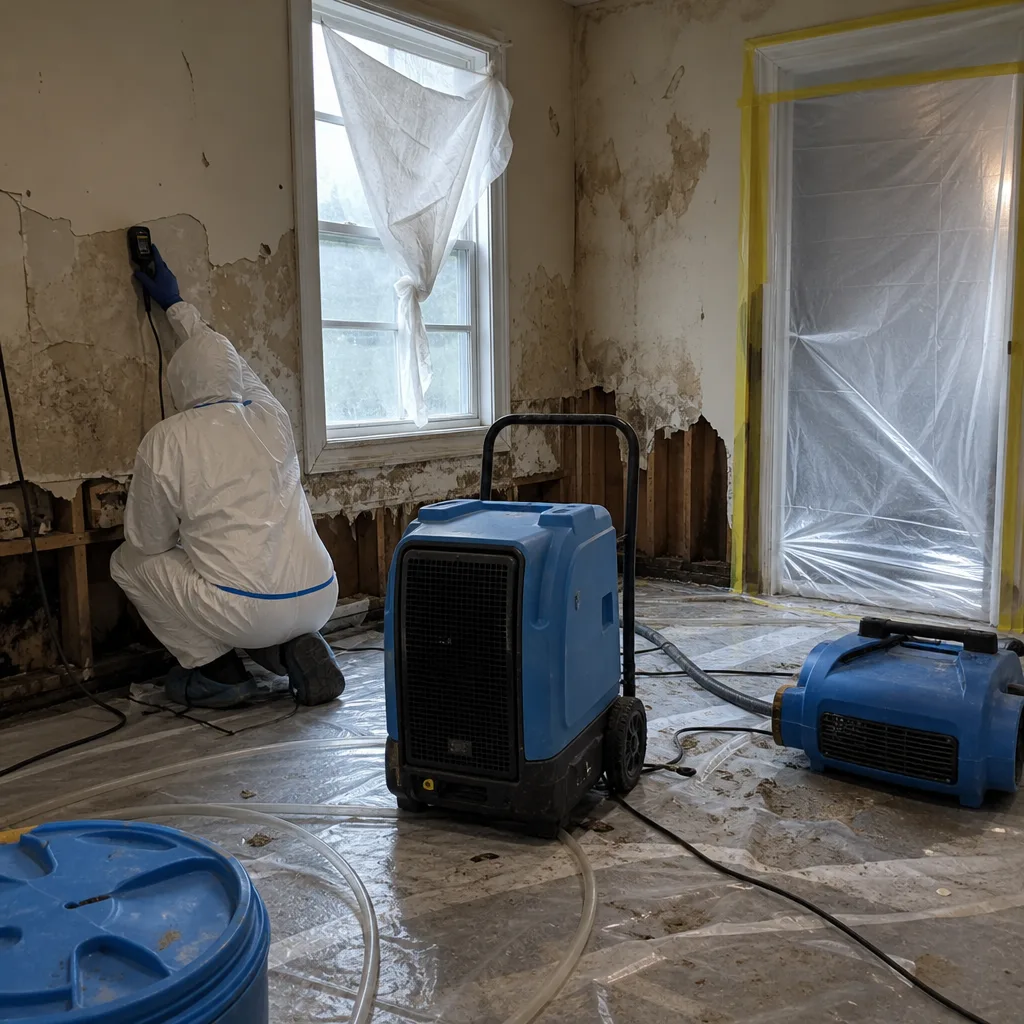 Before
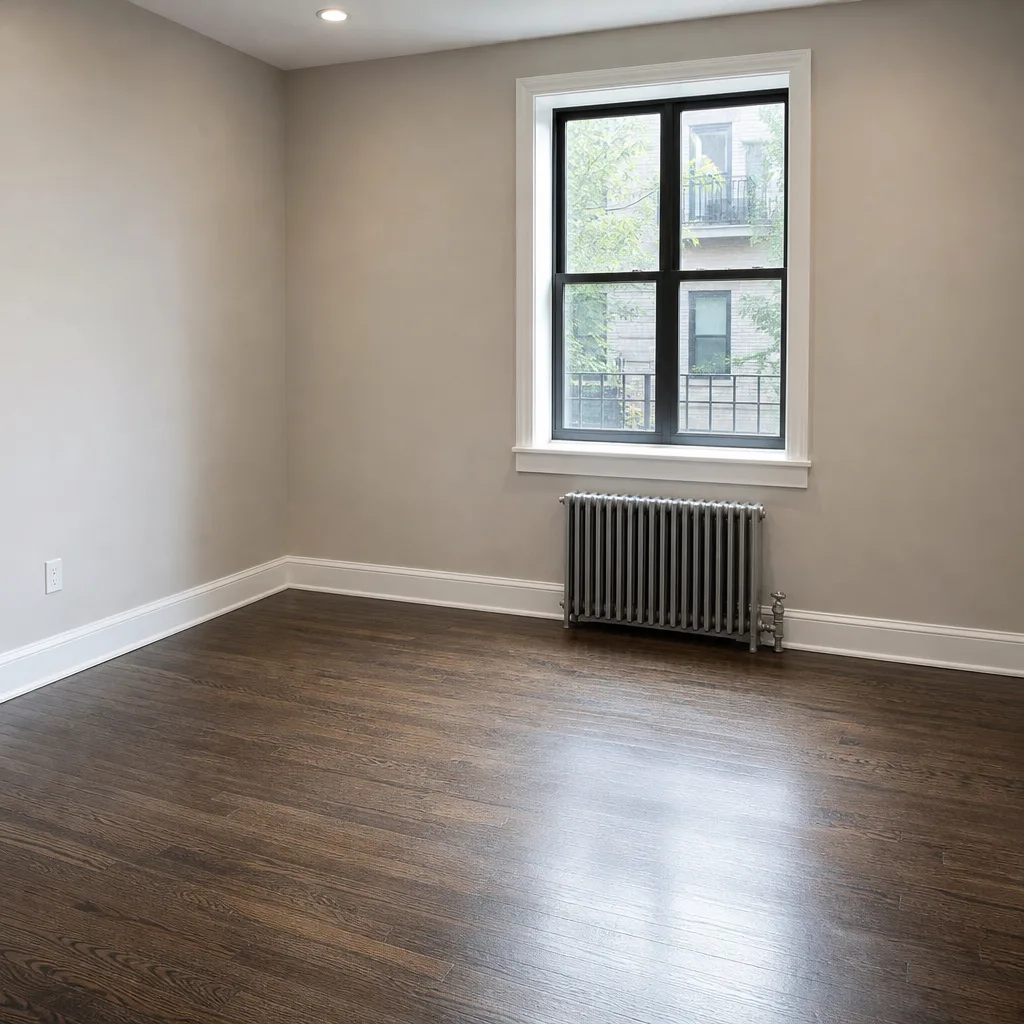 After
After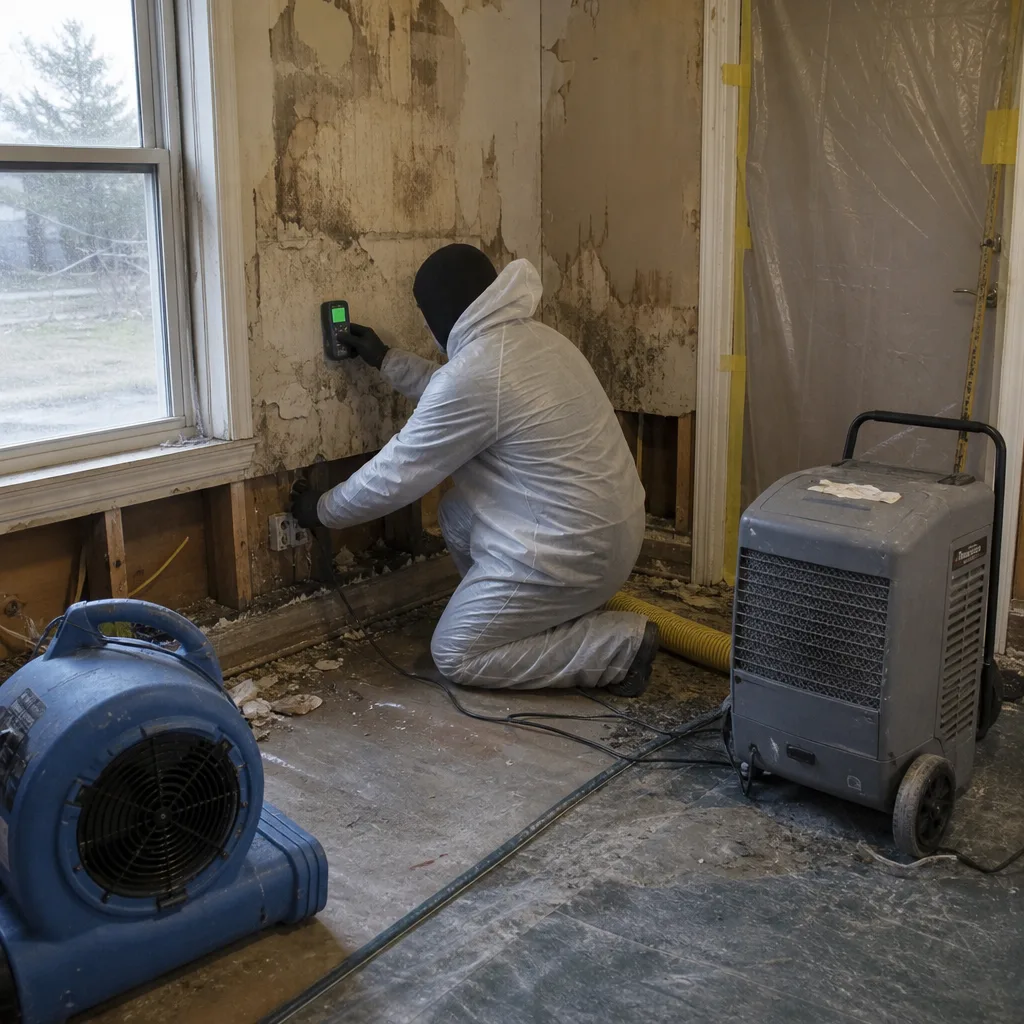 Before
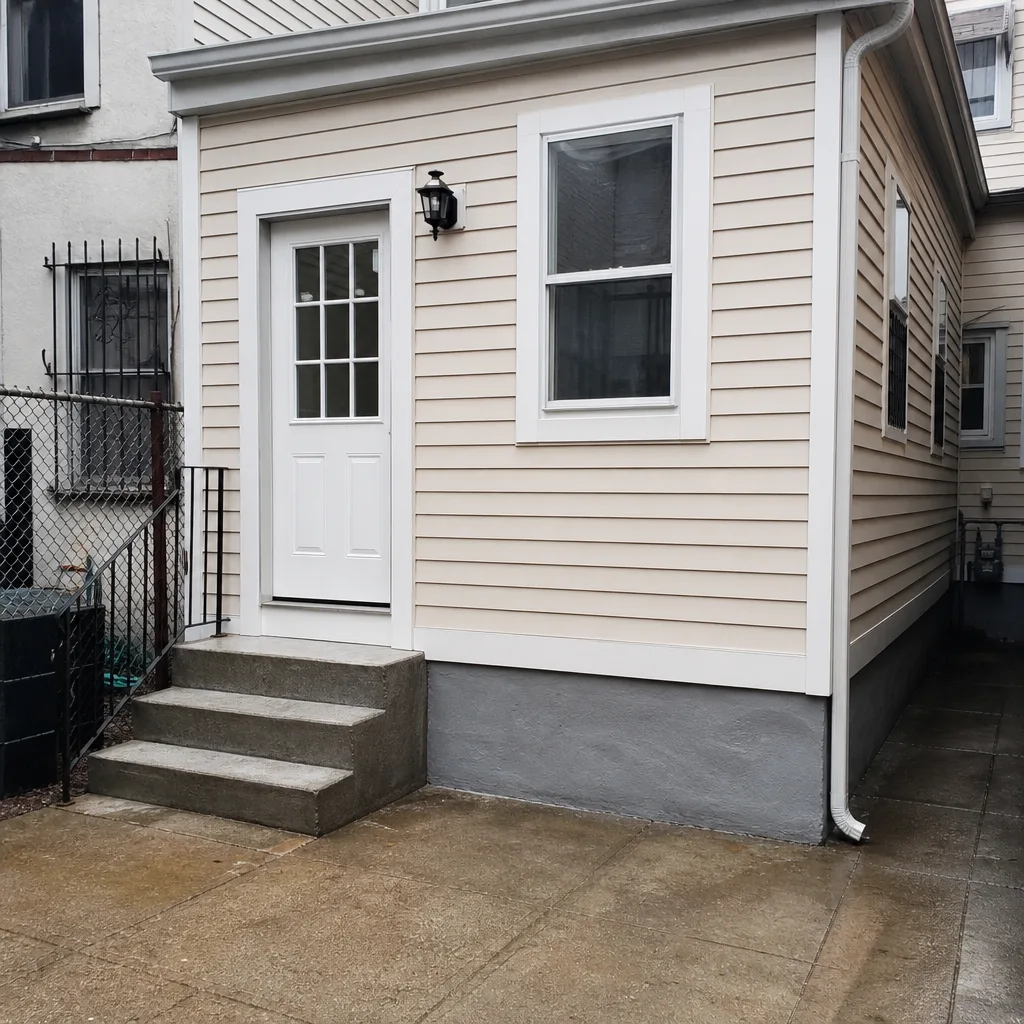 After
After